
Last updated November 21, 2026
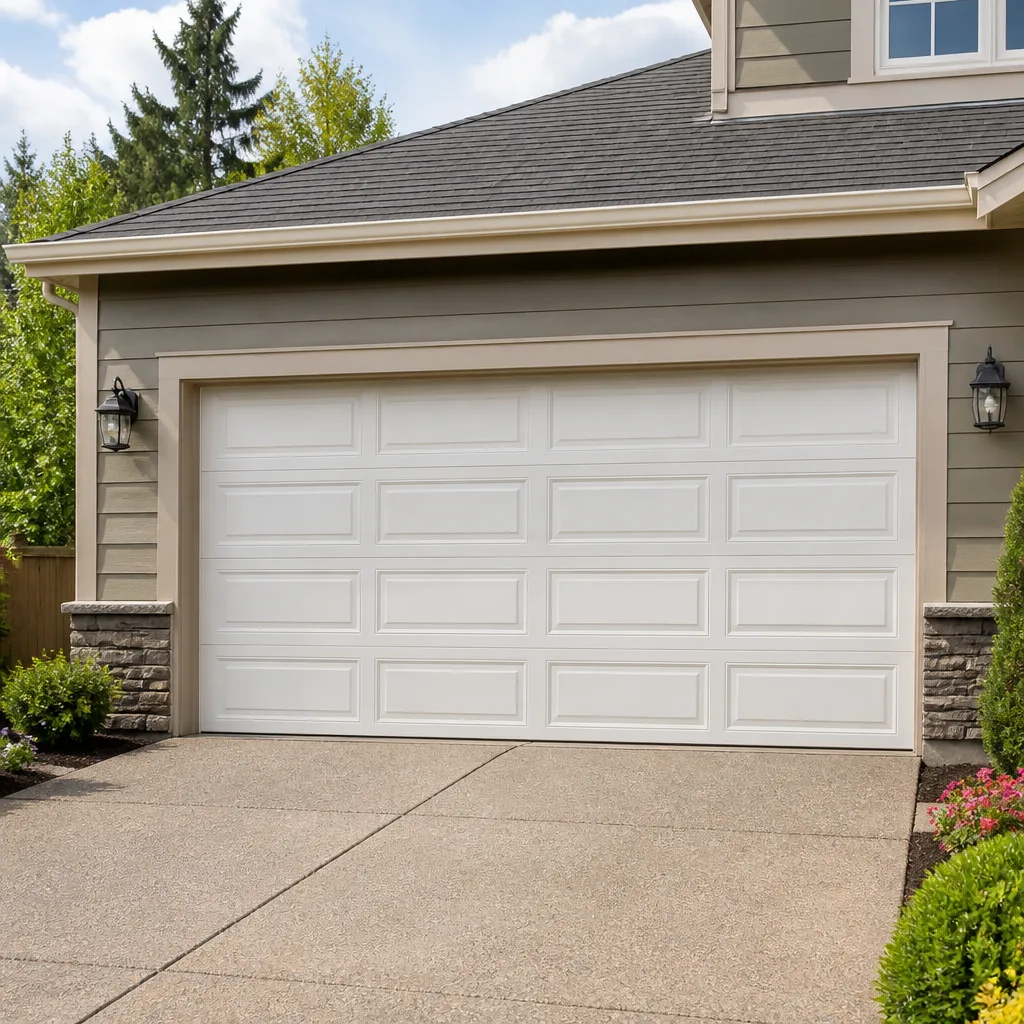 Raised-panel steel
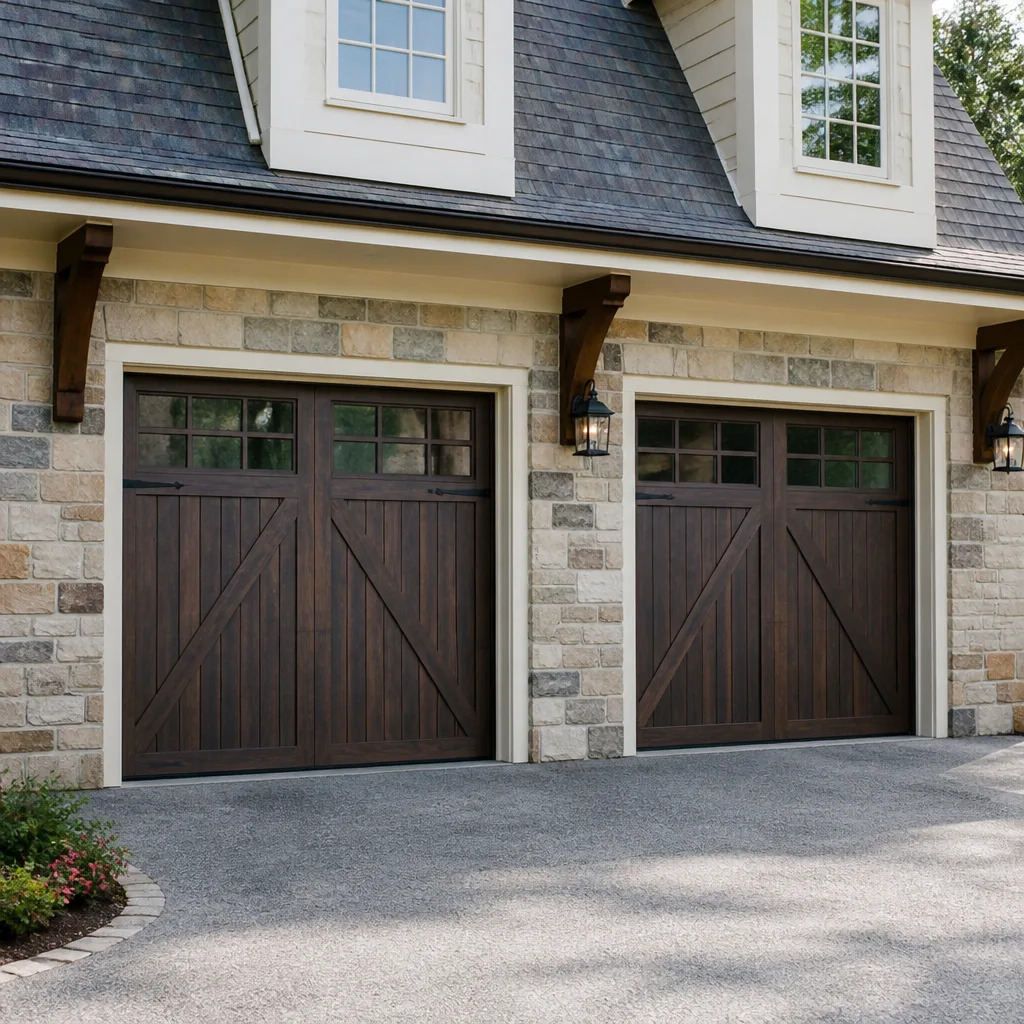 Carriage house
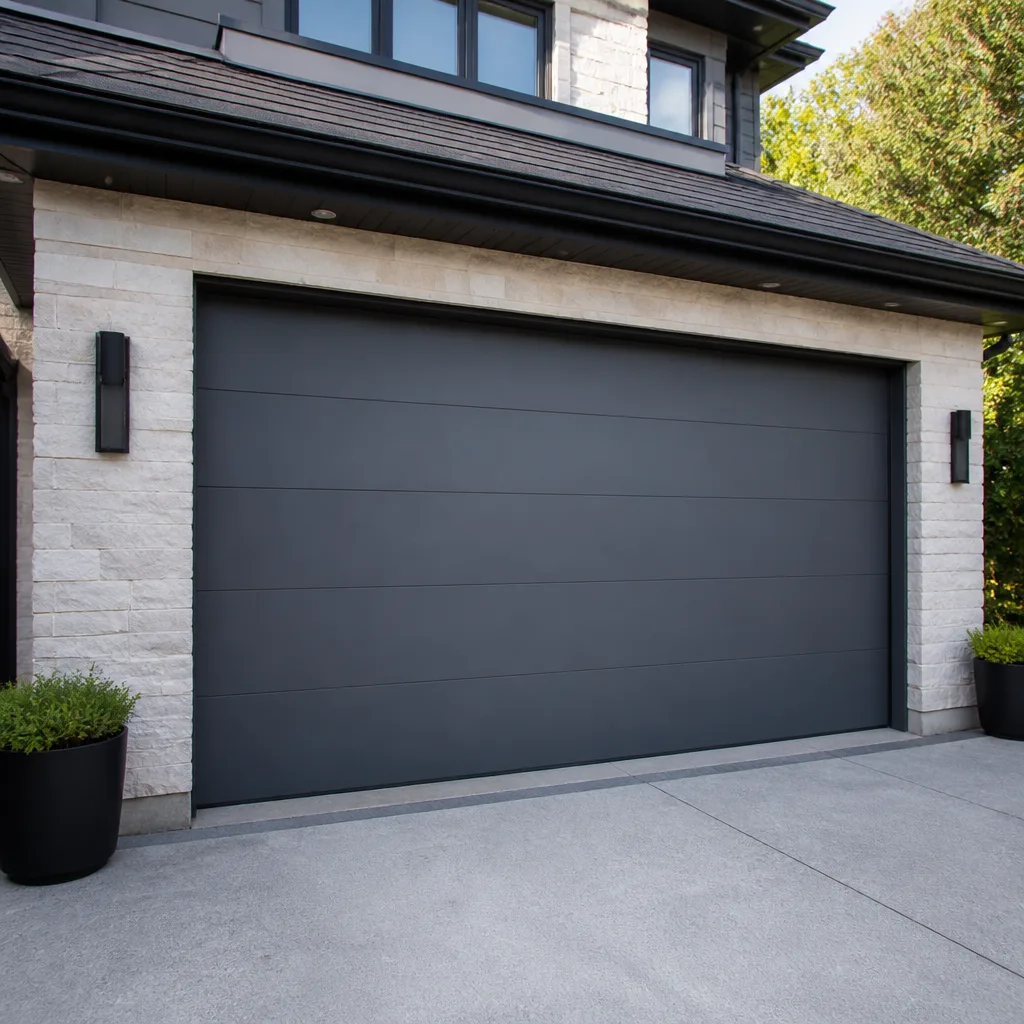 Modern flush
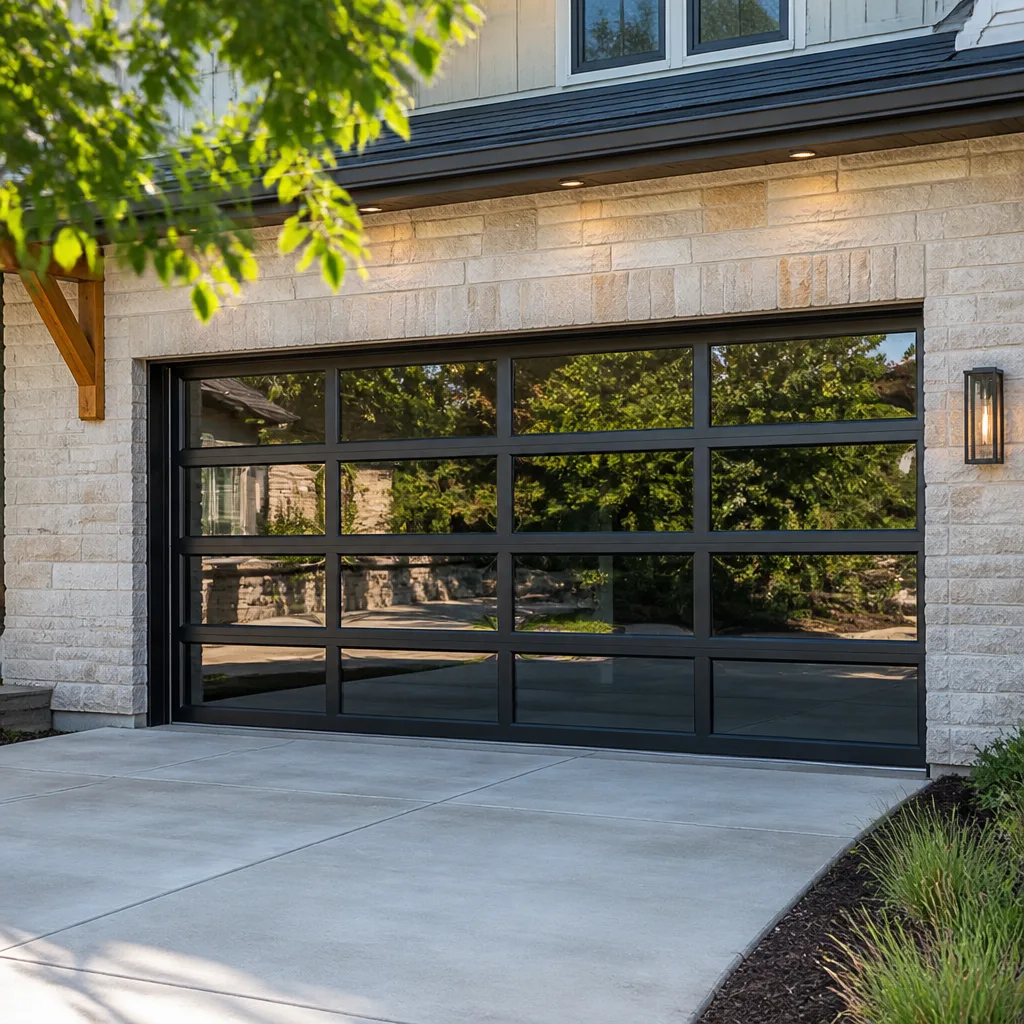 Full-view glass
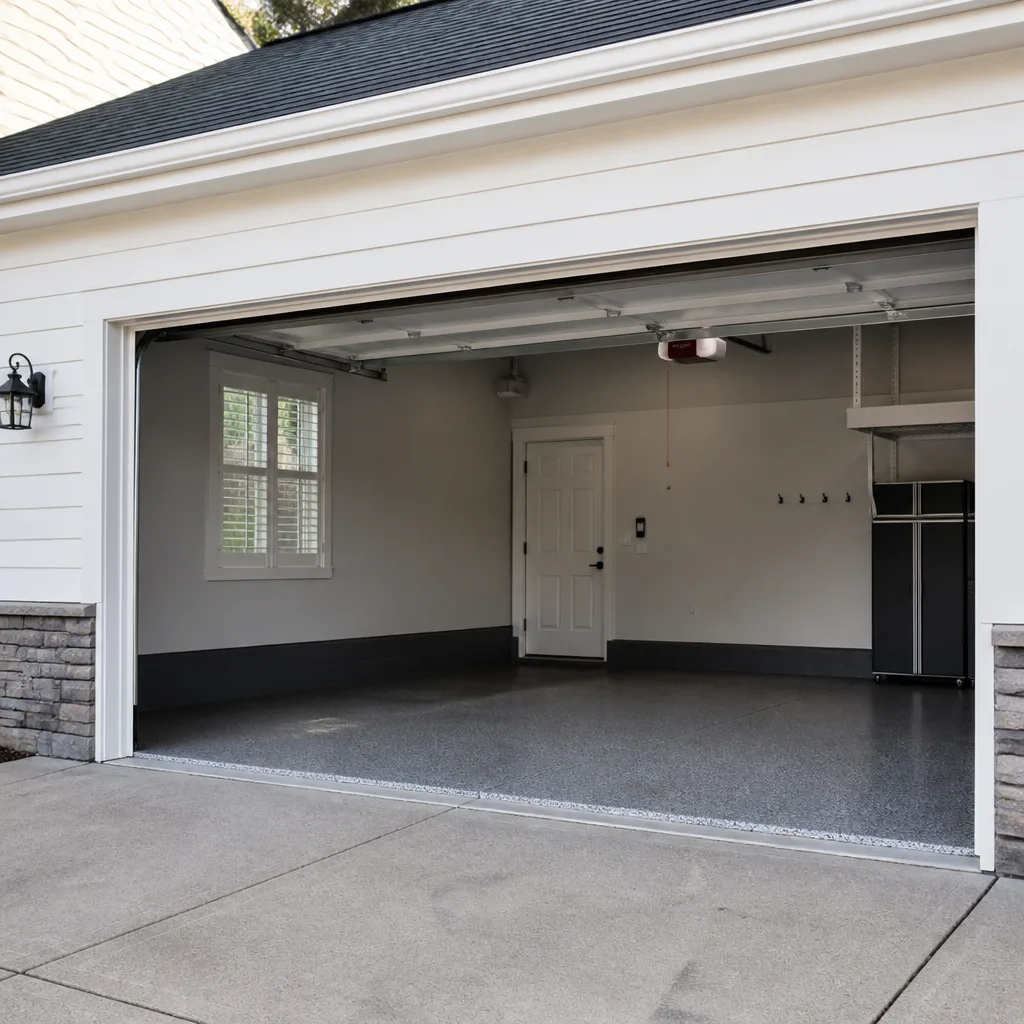 LiftMaster openers
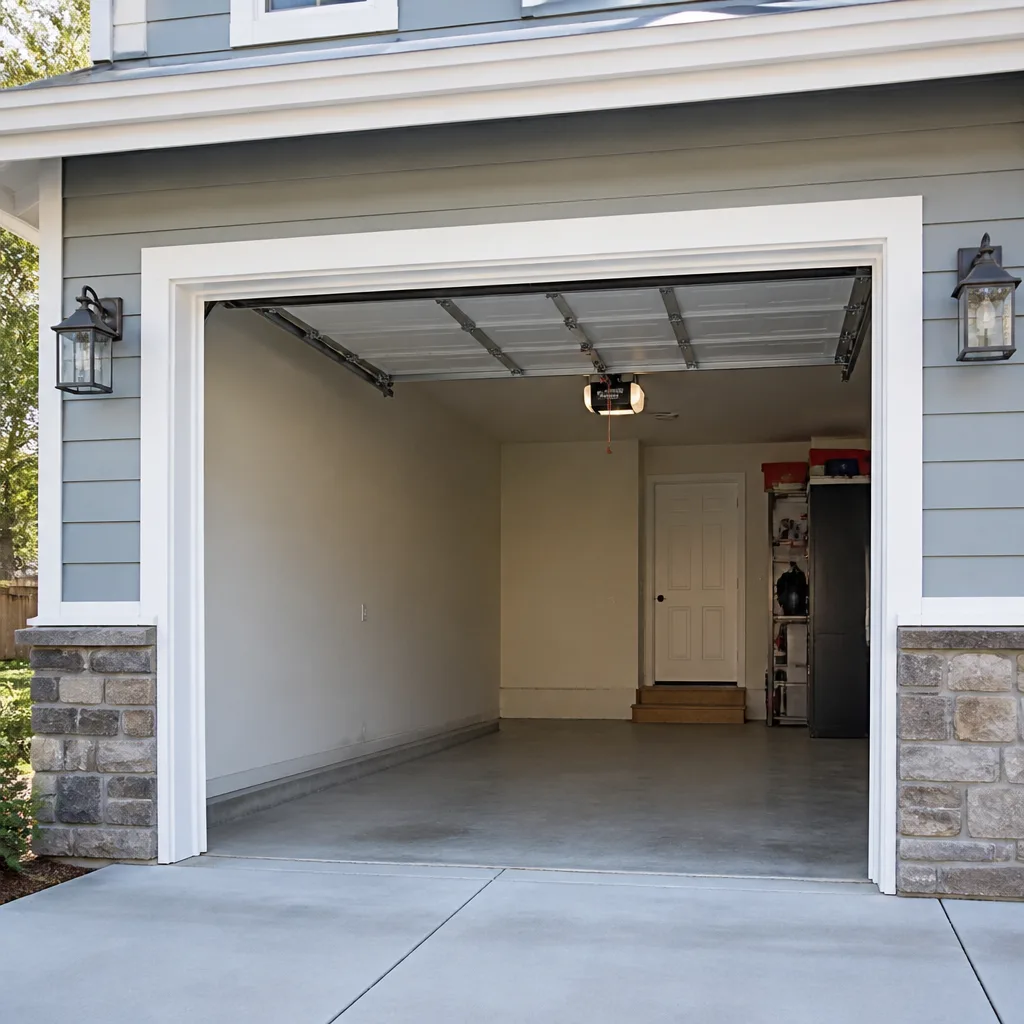 Chamberlain openers
Full 25-point door and opener safety check with every visit - springs, cables, rollers, tracks, and your LiftMaster or Chamberlain opener included
You get a price before we start. It does not change when the pro arrives.
Get your free estimateDIY vs Professional Garage Door: The League City Homeowner’s Decision Guide
Almost every homeowner who calls us about a garage door starts with the same question: could I have done this myself? The honest answer is sometimes yes and sometimes no, and the line between them has almost nothing to do with how handy you are. It has to do with physics. A torsion spring holds hundreds of pounds of stored tension, and when it lets go during a DIY adjustment it does not warn you first. This guide sorts garage door work into three buckets: safe to do yourself, doable with real risk, and leave it alone. You’ll also get a straight cost comparison and the specific ways League City’s heat and humidity change the calculation.
Quick Answer
Lubrication, visual inspections, sensor alignment, and track cleaning are safe DIY tasks for most League City homeowners. Spring replacement, cable work, panel replacement, and opener gear or motor repair are not, because the stored energy involved can injure an experienced technician, let alone a first-timer. Everything else sits in the middle, and the honest answer depends on your tools and your patience.
Styles & brands we work with
- Raised-panel steel
- Carriage house
- Modern flush
- Full-view glass
- LiftMaster openers
- Chamberlain openers
Table of Contents
- Why Springs Are the Line You Don’t Cross
- The Three Tiers of Garage Door Work
- Tools and Knowledge Gaps That Decide the Outcome
- What League City Climate Adds to DIY Risk
- Honest Cost Comparison: Your Time vs. a Written Estimate
- DIY Prep Work That Legitimately Lowers Your Bill
- Common Mistakes to Avoid
- When to Call a Professional
Why Springs Are the Line You Don’t Cross
Garage door springs come in two types, torsion and extension, and both store energy that has to be released in a controlled way before any adjustment or replacement can happen. That’s the whole problem. A torsion spring over a typical single-car door holds tension measured in hundreds of pounds, and an extension spring under the same load behaves like a stretched steel rubber band. When either one fails while someone is working on it, the energy goes somewhere, and the person standing closest is usually where.
We handle garage door spring repair as a standalone service for exactly this reason. The job requires winding bars sized to the spring, a knowledge of how many quarter-turns a given spring takes, and a clear understanding of which way the assembly will move if something slips. There’s no partial version of that skill. Either the spring is wound to the correct tension and secured, or it isn’t, and there’s no visual cue that tells you which.
If you take one thing from this guide: never put a hand, a wrench, or a screwdriver near a wound torsion spring. Call a trained professional and let them take the tension off before anything else happens.
Extension springs have a second problem. They can be fitted with a safety containment cable that runs through the middle of the spring so a broken spring stays on the cable instead of flying across the garage. If your door has extension springs without that cable, that’s a real safety gap worth fixing regardless of whether the spring is currently working. Ask a technician to look at it during any service visit to a League City home with an older door.
The Three Tiers of Garage Door Work
The useful way to think about DIY garage doors isn’t skill level. It’s energy and height. Anything involving stored tension, overhead weight, or the structural connection between the door and the house belongs to someone trained to handle it. Everything else is fair game. Here’s the breakdown we give homeowners who ask.
Tier 1 – Safe DIY
- Lubricating hinges, rollers, and tracks. A garage door lubricant once or twice a year quiets a noisy door and slows wear. Use a proper door lubricant, not WD-40, which is a solvent and won’t stay put.
- Cleaning the tracks. A rag and a stiff brush clear the grit that makes a door drag. Leave the bolts alone.
- Aligning the safety sensors. The two small lenses at the bottom of the tracks need to see each other. Wiping them clean and nudging them back into line fixes a large share of “door won’t close” calls.
- Balancing the door by hand. Disconnect the opener and lift the door halfway. If it won’t stay put, the springs need attention. This is a check, not a repair.
- Testing the auto-reverse. Put a piece of wood flat under the door and close it. It should reverse on contact.
- Replacing opener remote batteries and re-pairing remotes. Newer LiftMaster and Craftsman remotes pair in a couple of minutes with the manual in hand.
Tier 2 – DIY With Real Risk
- Replacing a bottom seal or weatherstripping. Doable on many doors, but you’re working near the bottom bracket, which is under cable tension on some models. Know your door’s design before you start.
- Adjusting track brackets. Small alignment tweaks are within reach for a careful homeowner, but over-loosening can drop the door out of the track.
- Resetting a wall-mounted opener and adjusting travel limits. Easy enough with the manual, but if the door doesn’t stop where it should, you’ve created a pinch point.
- Replacing a single damaged panel on a sectional door. Possible on some models if the panel matches, but panel weight and hinge alignment make this a two-person job with a real chance of a callback.
Tier 3 – Do Not Attempt
- Torsion or extension spring replacement. This is the one that sends homeowners to the emergency room.
- Cable replacement or adjustment. The cables carry the door’s full weight and are under the same tension as the springs.
- Replacing bottom brackets. The bracket is where the cable anchors. Releasing it with a hand tool can swing the cable loose at speed.
- Opener motor or gear replacement. Possible to attempt, but the wiring and force settings that follow are where mistakes turn into safety failures.
- Full door replacement. The spring system, anchoring, and header connection all have to be right. This is a licensed-pro job.
Tools and Knowledge Gaps That Decide the Outcome
The difference between a clean DIY result and a callback usually isn’t talent. It’s a missing tool or a piece of knowledge the homeowner didn’t know existed. We’ve walked into plenty of League City garages where a homeowner made an honest attempt and ended up worse off. Here’s what separates the two outcomes.
The Tools That Actually Matter
- Winding bars sized to your spring. A screwdriver or a piece of rod will slip out of the winding cone, and the spring will unwind the rest of the way.
- A proper door lubricant. Not a general-purpose spray. Garage door hinges and rollers need a lubricant that resists being thrown off by movement.
- Two ladders that fit the job. A door panel replacement needs one at each end, set on level floor.
- A torque wrench. Track and hinge bolts have a right tightness. Over-tightening strips the metal, and under-tightening lets the door walk out of alignment.
- A flashlight and a mirror. Half the problems we find are on the back side of the track or inside the opener housing, where a phone camera can’t reach.
The Knowledge That Matters More
A homeowner needs to know the door’s model and the opener’s model before ordering a part. That sounds small, but it’s the single most common reason a DIY repair stalls. LiftMaster, Chamberlain, Genie, and Craftsman openers each have their own drive systems, force-limit adjustments, and safety-reverse behaviors. Wayne Dalton, Clopay, Amarr, and Raynor doors each have their own panel profile and hinge spacing. Getting the model wrong means a return trip and a door that sits half-apart in the meantime.
We work on the brand you already have, which is why we can give a clear answer on the phone about whether a specific opener takes a specific replacement part. That’s the kind of knowledge a homeowner can build over years of owning the same door. It’s also the kind of knowledge that’s genuinely not worth building if you only need it once.
What League City Climate Adds to DIY Risk
League City’s summers are long, humid, and hot, and heat does real work on a garage door system. That’s not a reason to avoid maintaining the door. It’s a reason to understand what changes between a mild month and a July afternoon. Three factors show up repeatedly in the garages we service across League City, from South Shore Harbour to the older streets near the downtown core.
Corroded Fasteners on Older Doors
Humidity and warm air work on metal slowly. Hinge bolts, track brackets, and panel screws on a door that’s been on a League City home for a while can be rusted enough that a normal wrench will strip the head instead of turning it. A homeowner going after a hinge screw on a 15-year-old door often finds it’s not coming out. A technician who knows that reaches for penetrating oil and a torque the metal can handle, and stops before the bolt shears.
Heat-Expanded Panels and Tracks
Steel expands in the heat. On a tightly fit sectional door, panels that worked perfectly in spring can bind in July, and tracks can shift a fraction of an inch. If the door feels heavy in the afternoon and smooth in the morning, the cause may be thermal rather than mechanical. Worth knowing before you start loosening track bolts in search of a problem the temperature is causing and the temperature will undo.
Humidity and the Safety Sensors
The photo-eye sensors at the bottom of the tracks are electronics. Warm, humid air and condensation on the lens are behind a good share of the “door won’t close” complaints we hear from League City homeowners. Cleaning the lens with a dry cloth and checking the alignment indicator light will confirm whether the sensor is the issue. If the light is solid and the door still won’t close, the cause is elsewhere, and a technician can diagnose it quickly.
One thing League City’s climate does not create is the freeze-and-thaw door problems common in colder states. This is a hot, humid climate problem set, not a cold one, and the maintenance calendar looks different for it.
Honest Cost Comparison: Your Time vs. a Written Estimate
A fair comparison includes your time, the odds of a second service call, and what happens to your warranty if a DIY repair goes sideways. On paper, a spring replacement looks like a $60 part and a Saturday afternoon. In practice it’s a trained technician’s half-hour, a matched pair, the risk of injury, and the fact that most garage door manufacturers treat an unqualified repair as a warranty issue. Here’s how the math breaks down for League City homeowners.
Typical Repair Cost Ranges in League City
| Job | Typical Estimate | DIY Realistic? |
|---|---|---|
| Single torsion spring replacement | Common single-spring pricing, typically quoted at the time of diagnosis | No |
| Matched spring pair (usually replaced together) | About twice a single-spring quote | No |
| Cable replacement (pair) | Common cable-pair pricing, quoted after diagnosis | No |
| Opener motor or gear replacement | Quoted per job based on opener model | No |
| Single panel replacement | Quoted per panel based on door brand and model | With risk |
| Sensor alignment, lubrication, seal replacement | Quoted per job, often small | Yes, for most homeowners |
Those are estimates, and the written quote you receive before any work begins is what you pay. We don’t hide a diagnostic charge in the number, and we don’t quote one figure over the phone and a bigger one at the door.
What DIY Actually Costs You
The part price is only the first number. A DIY attempt that ends in a callback means the part gets bought twice, the door sits disassembled longer, and any warranty coverage on the door or opener may be compromised. If the repair involves a spring or a cable, there’s also the question of whether the door is safe to operate while you wait for the correct part to arrive. We’ve seen doors sit in a League City garage for two weeks because the homeowner ordered the wrong opener component and couldn’t get the door back on the track. That’s the honest cost of DIY: the parts, the time, and the possibility of a second visit from a technician who now has more to fix.
DIY Prep Work That Legitimately Lowers Your Bill
There are real ways a homeowner can reduce the labor side of a professional service call without creating safety problems. None of them involve touching a spring, a cable, or a bracket under load. All of them save the technician time, and time is what you’re paying for when the estimate is written. Here’s what we tell League City homeowners who want to make the most of a service appointment.
- Clear the garage floor and the area under the door. A technician who doesn’t have to move storage bins and bicycles gets to the diagnosis sooner.
- Write down the door and opener model numbers. The label is usually on the inside of the door frame or on the opener housing. Model and serial number in hand shortens the call.
- Note exactly what the door does. Whether it stops halfway, reverses immediately, or doesn’t move at all matters, and the more specific you are, the faster the diagnosis.
- Lubricate the door before the appointment, not after. A quick lube won’t fix a broken spring, but it removes a variable from the diagnostic.
- Photograph the spring assembly and the opener. A photo of the door and its spring setup answers questions before the technician ever steps into the garage.
These five steps take maybe fifteen minutes, and they genuinely shorten the visit. Notice none of them involve a wrench near a winding cone. Prep work is where DIY and professional repair work well together. The trick is knowing which side of that line you’re standing on. Any repair that touches a spring, a cable, or the track to the wall is on the professional side, full stop.
Common Mistakes to Avoid
- Assuming a stuck door is a spring problem. Plenty of stuck doors in League City turn out to be sensor issues, dead opener capacitors, or a track that has shifted with the heat. Diagnosis comes before parts.
- Replacing one spring when both are past their life. The matched pair almost always goes together. One new spring and one old one means the door is unbalanced and the second spring fails sooner.
- Using the wrong winding bar. A screwdriver or a socket extension will slip out of the winding cone under load. There’s no version of this technique that’s safe without the right tool.
- Over-tightening hinge bolts and track brackets. Stripped threads and split sheet metal on a Wayne Dalton or Clopay panel are the result. Tight enough is the goal, not tighter.
- Ignoring the safety-reverse test. It takes a minute and it’s the most important single check on a garage door. A door that doesn’t reverse on contact is a door that can hurt a child or a pet.
- Ordering a replacement part without checking the opener model. A LiftMaster and a Genie gear set are not interchangeable. Confirm the model and serial number first.
- Painting over a panel gap instead of finding the cause. A light gap between panels or tracks in a League City garage is usually a thermal or hinge problem. Cosmetic fixes don’t last.
When to Call a Professional
Call a professional when the door won’t balance by hand, when you see a broken spring, when a cable is loose or frayed, when the door comes off the track, when the opener runs but the door doesn’t move, or when the door reverses for no clear reason. Call when the opener is over ten years old and any part of it fails. Call if you find a panel is cracked or bent. Call if the door is heavy to lift. And call if you’re not sure: a professional diagnosis is free with a written estimate, and the phone call itself is faster than a return trip to the hardware store.
League City Garage Door Repair Co offers free estimates in League City. Call (866) 937-7870. We answer 24/7. Fast dispatch from 7am to 7pm, Sunday through Friday. Our technicians have up to 11 years of experience and work on eight major brands including LiftMaster, Chamberlain, Genie, Clopay, Amarr, Wayne Dalton, Craftsman, and Raynor.
See the difference
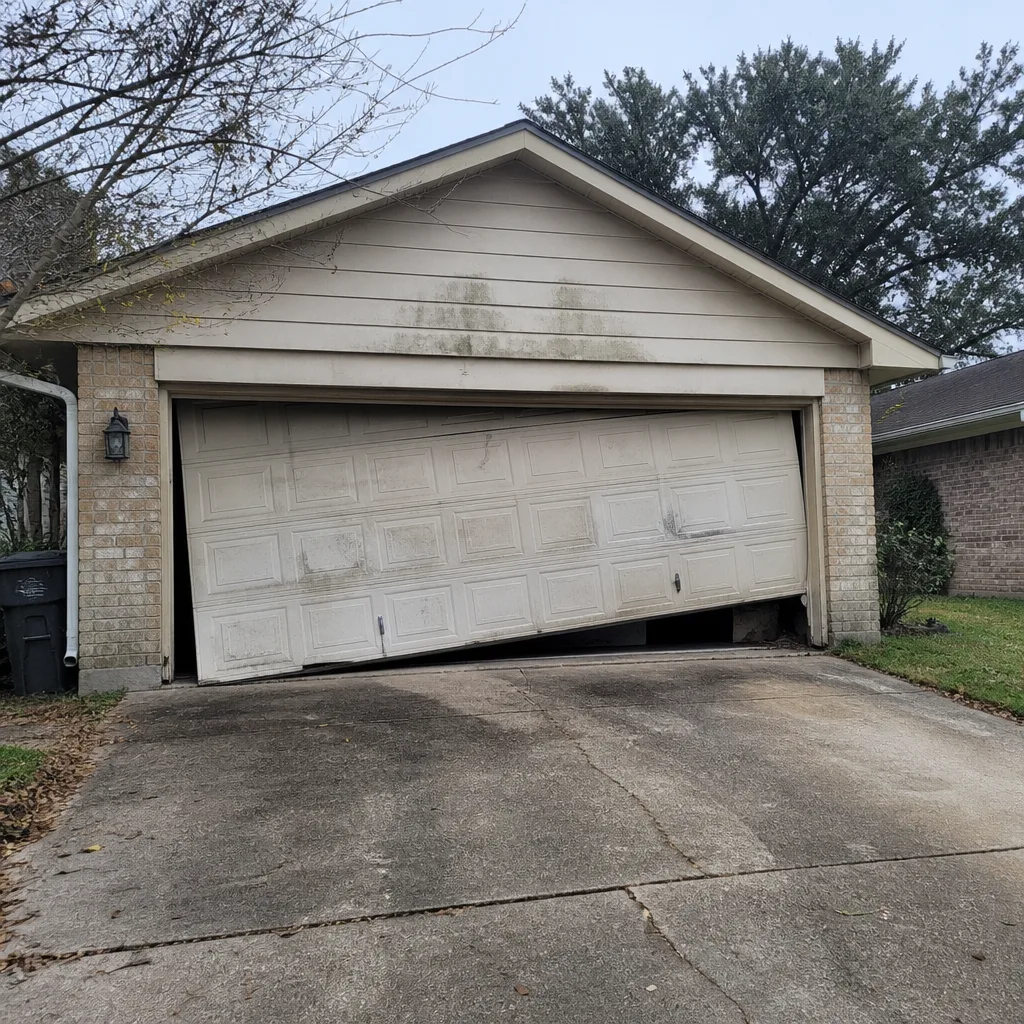 Before
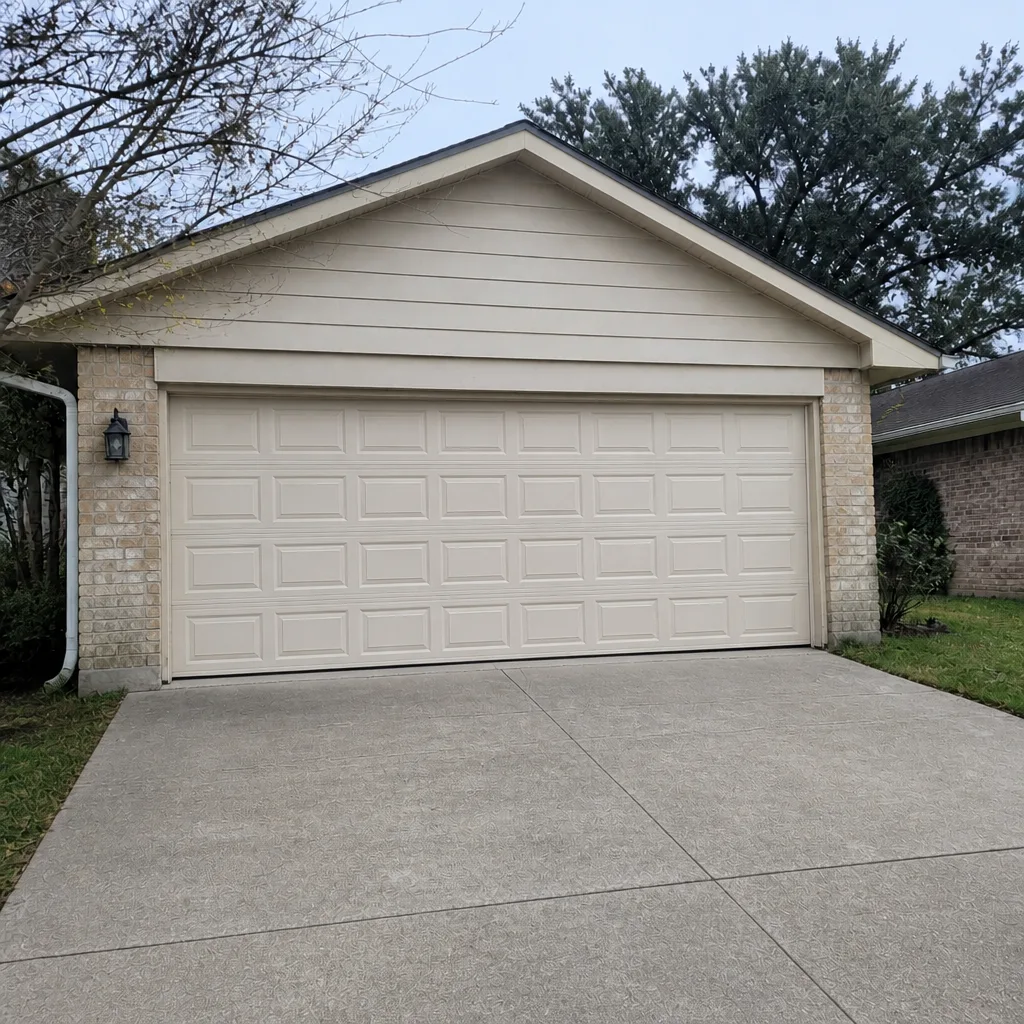 After
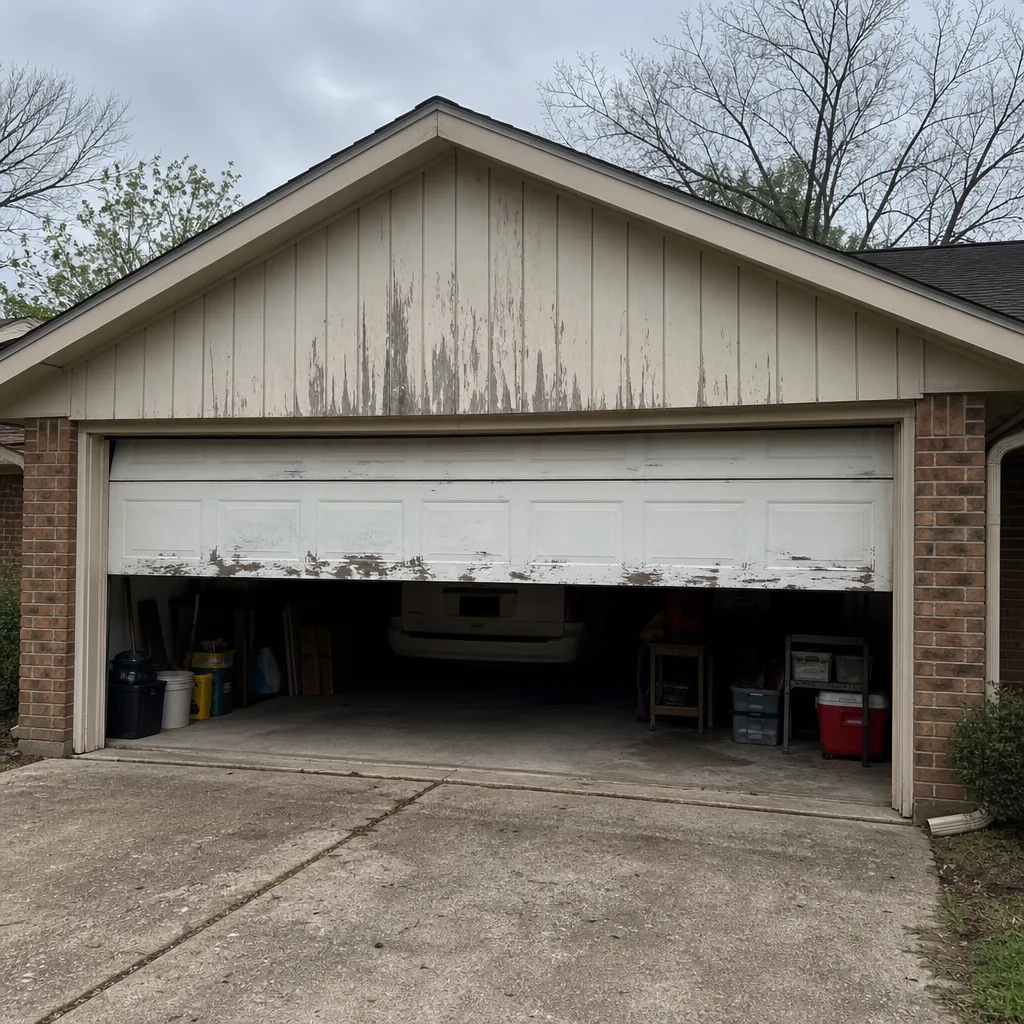 Before
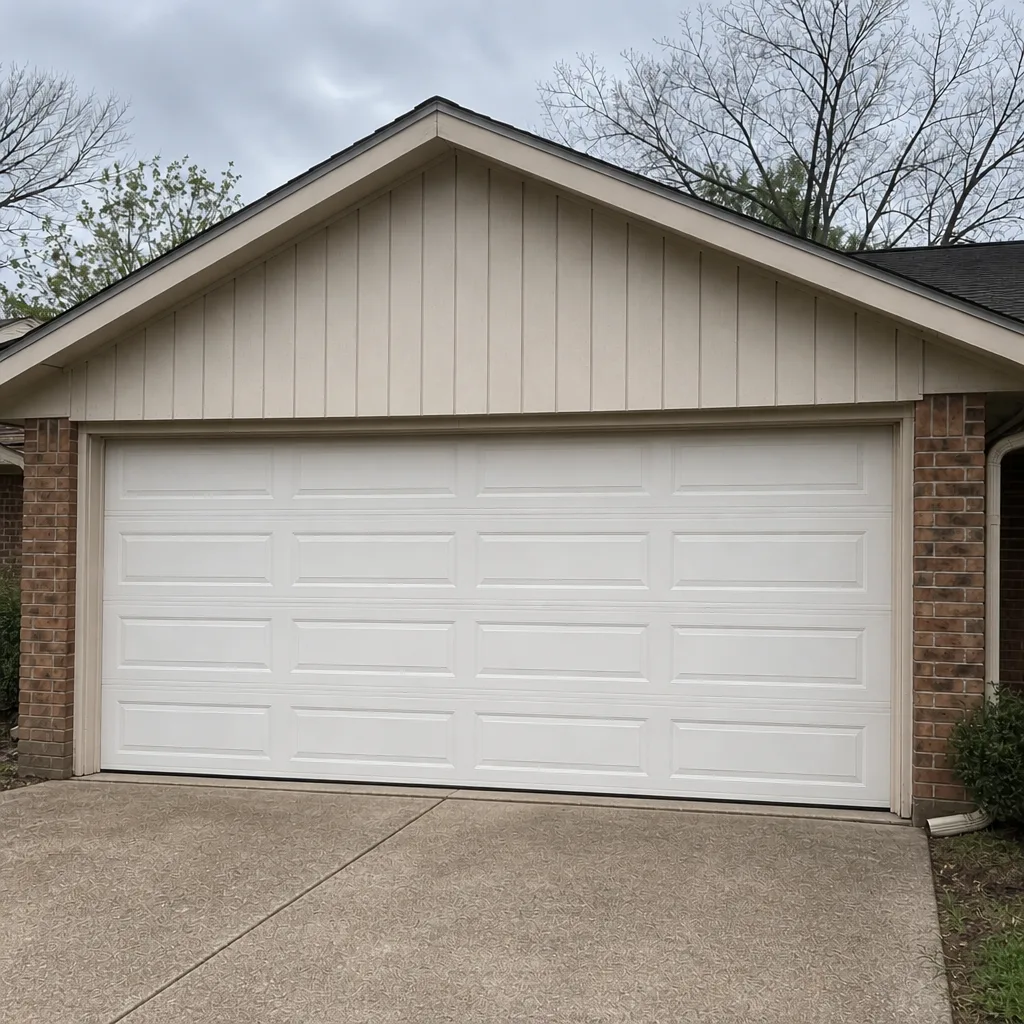 After
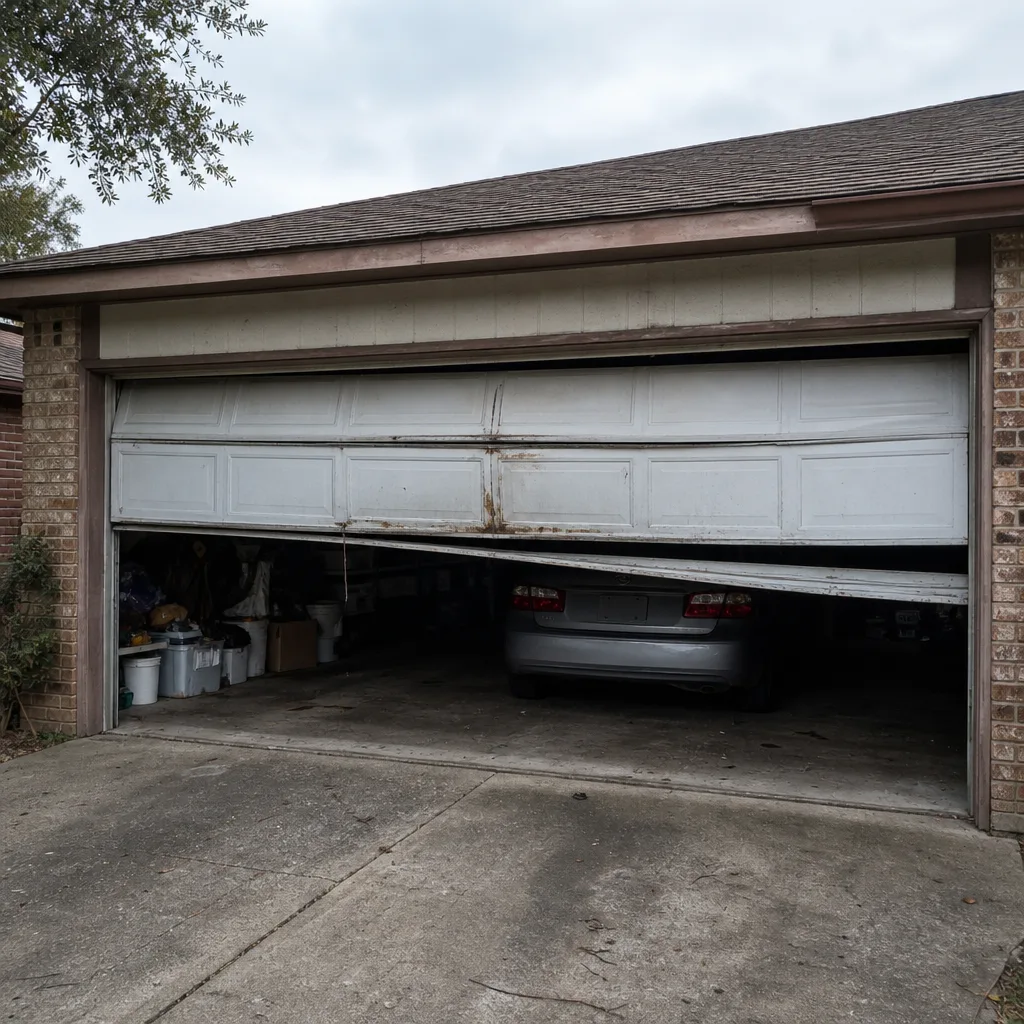 Before
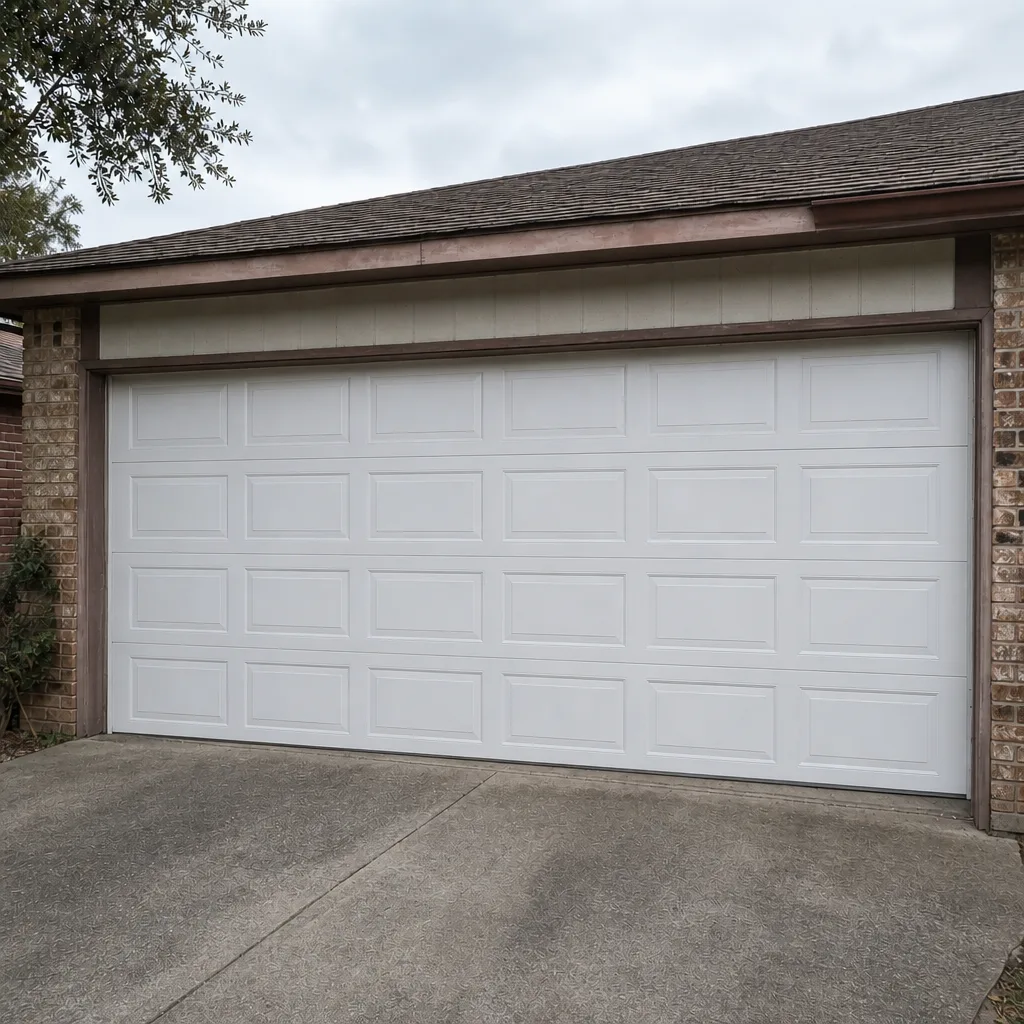 After
Frequently Asked Questions
No. Replacing a garage door spring is not a DIY-safe task for a homeowner, because the spring holds hundreds of pounds of stored tension that can release at high speed if the winding slips. Call a trained professional for spring replacement. (866) 937-7870 gets you a free estimate.
DIY is cheaper for lubrication, sensor alignment, seal replacement, and simple opener resets, because those jobs cost almost nothing in parts. DIY is not cheaper for springs, cables, panels, or opener motor work once you count the cost of the part, the odds of a callback, and the warranty impact. Call for a free written estimate before deciding on anything structural.
A sensor with the indicator light on is usually a misaligned or dirty lens, which you can clean or nudge back into line yourself. If the light is on and the lens is clean and aligned, the cause is elsewhere, often the opener logic board or a track issue. Call us and a technician can diagnose it on a service visit.
Typical cost depends on the job. Spring replacement for a single spring, matched-pair spring replacement, cable work, and opener repair are all quoted per job based on the door and opener model. You get a written estimate before any work starts, and the estimate is free. Call (866) 937-7870 for an exact quote.
It can. Most door and opener manufacturers treat unqualified repair work, especially around springs, cables, and the opener’s internal electronics, as outside the warranty terms. If the door or opener is still under warranty, call a professional and let the work be done by someone trained on the brand.
Yes. Heat causes steel to expand, so panels and tracks that fit perfectly in mild weather can bind in a July afternoon. Humidity affects the safety sensors and accelerates corrosion on older fasteners. Lubricating the door twice a year, cleaning the sensors, and checking the auto-reverse once a month is a good starting point for any League City garage.
The Bottom Line
The DIY vs. professional question for a garage door isn’t about whether you’re capable. It’s about which tasks are safe for anyone to do at home, and which ones involve stored energy that no amount of confidence makes safe. Lubrication, sensors, seals, resets, and simple prep work are genuinely in reach for most League City homeowners. Springs, cables, bottom brackets, panels, and opener internals are not. The cost comparison usually favors a professional once you include the part, the time, and the possibility of a callback. Get a written estimate, ask what the job actually involves, and if it involves a wound spring, let a trained technician take the tension off first.
Related Reading
If you’ve read this far, you’re the kind of homeowner who wants the full picture. Start with League City Garage Door Repair Co for our main service page. If the problem is the motor not the door, garage door opener repair covers drive systems and control boards. If the door is stuck, off the track, or won’t close, garage door repair walks through what a technician checks. If you’re not sure whether the spring is the problem, garage door spring repair explains the symptoms. If you’d like a free written estimate before you decide, call (866) 937-7870. We answer 24/7. Fast dispatch from 7am to 7pm, Sunday through Friday.
Written by the team at League City Garage Door Repair Co.