
Last updated November 21, 2026
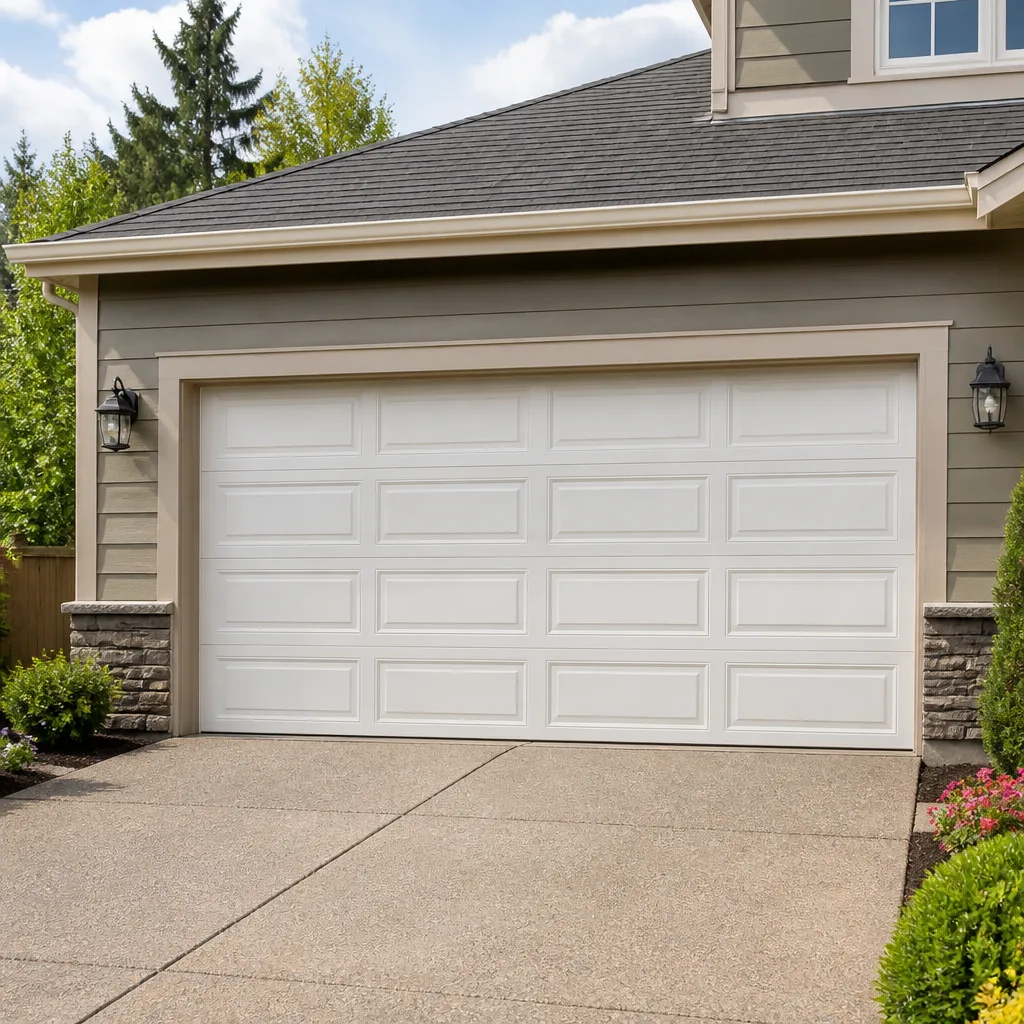 Raised-panel steel
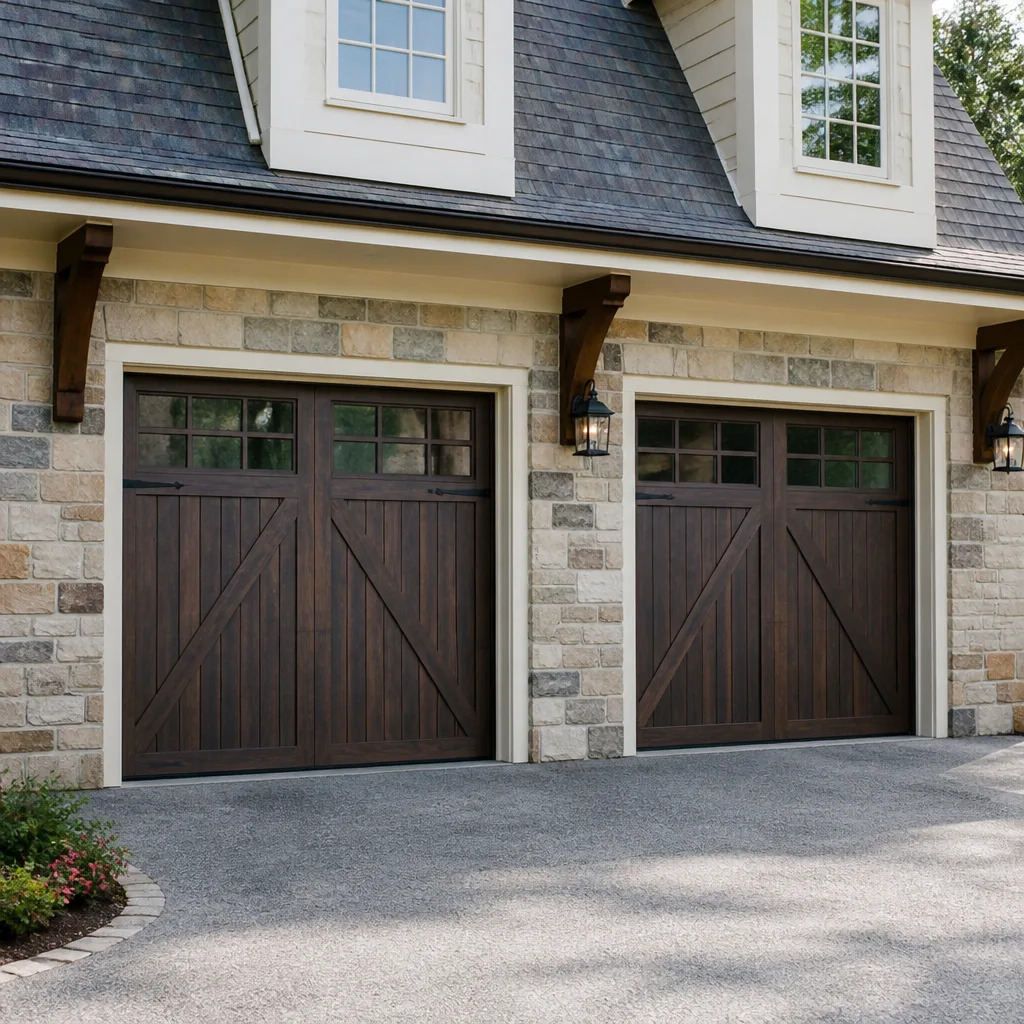 Carriage house
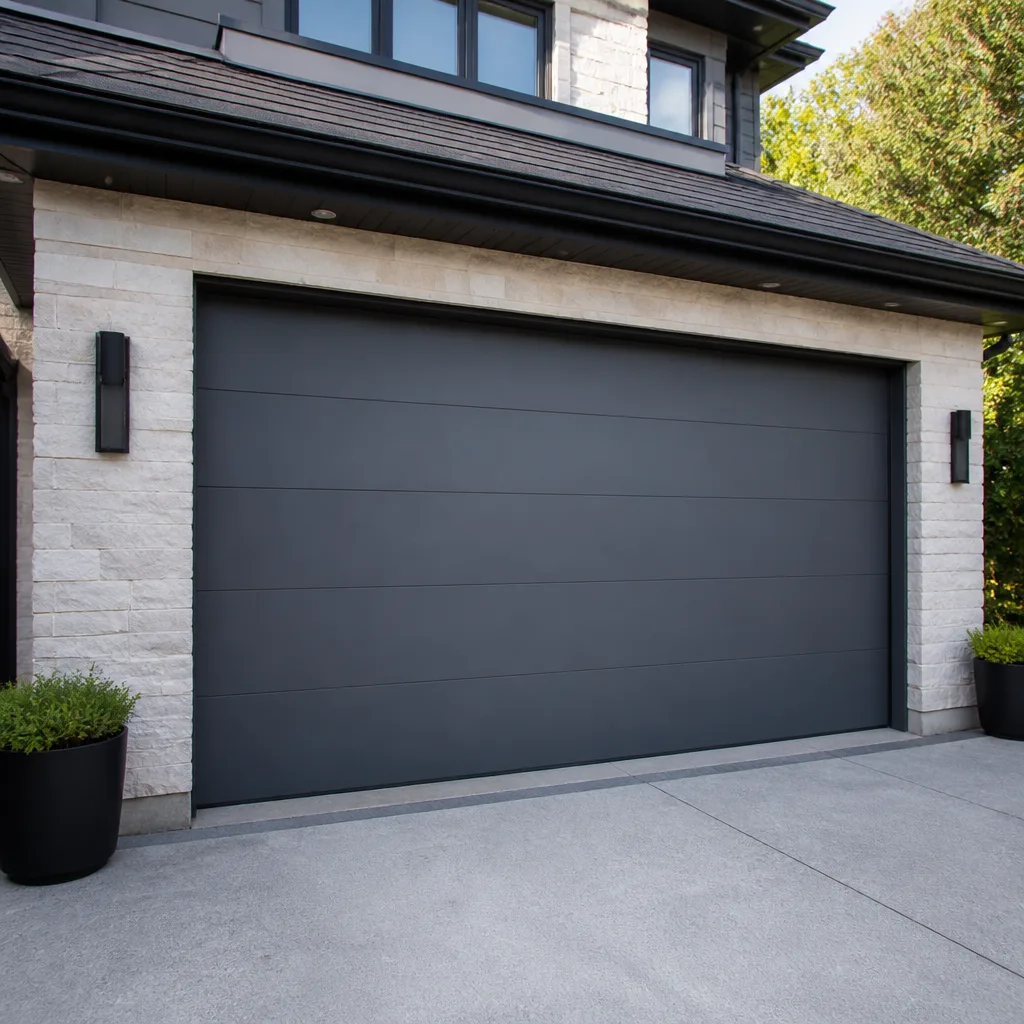 Modern flush
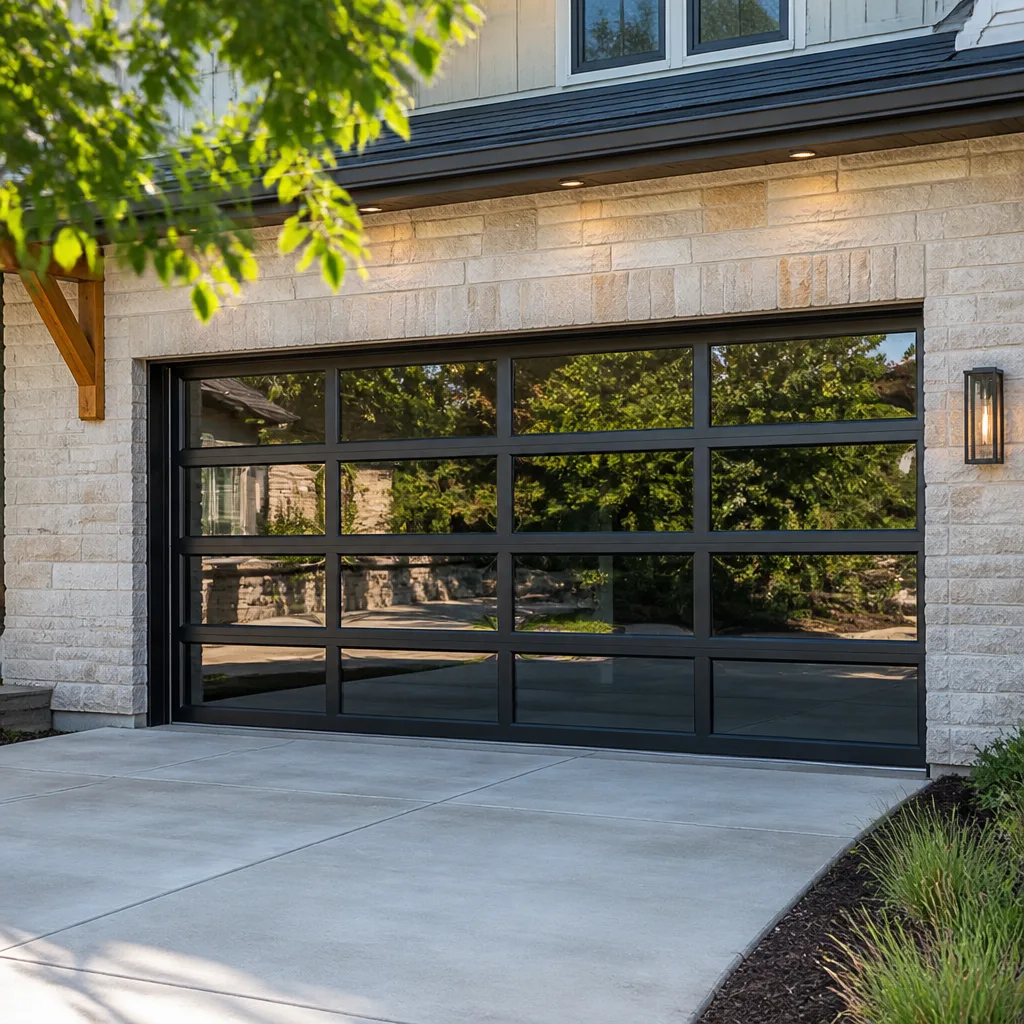 Full-view glass
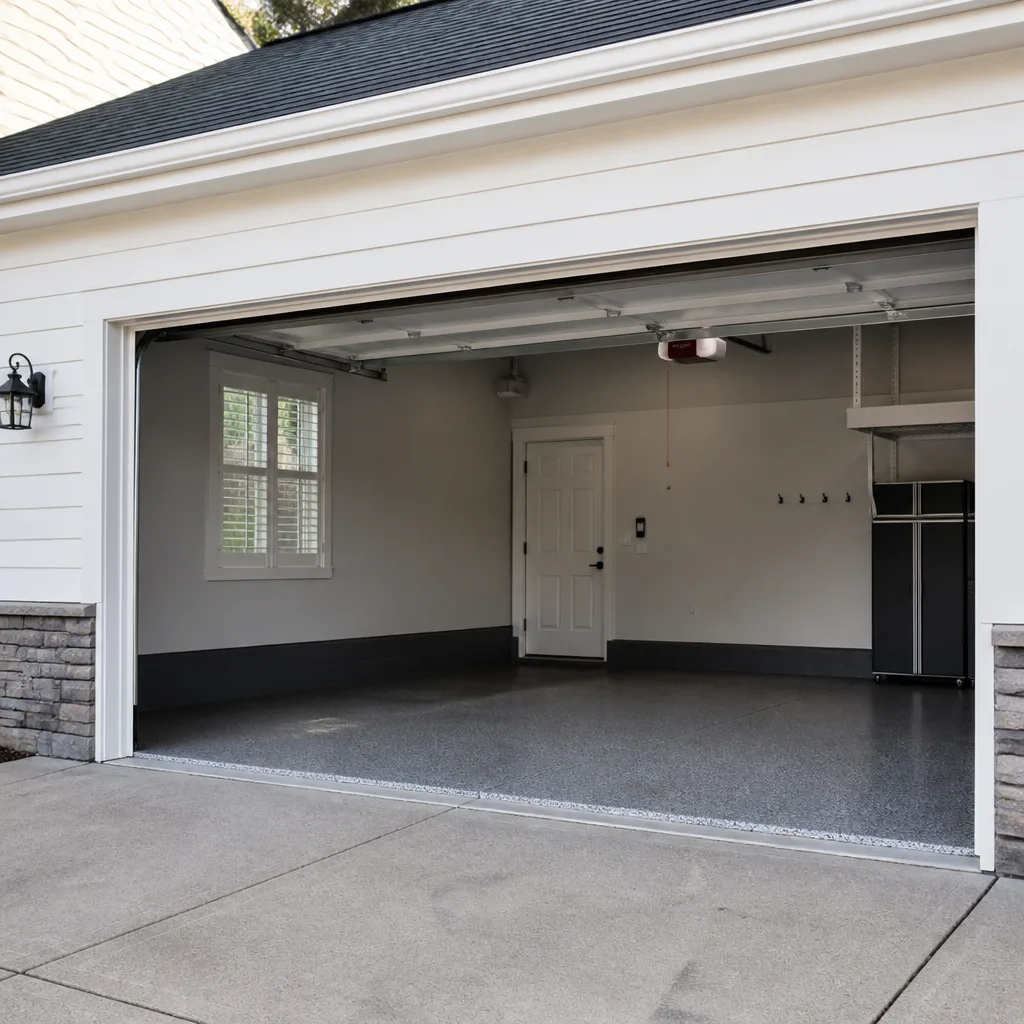 LiftMaster openers
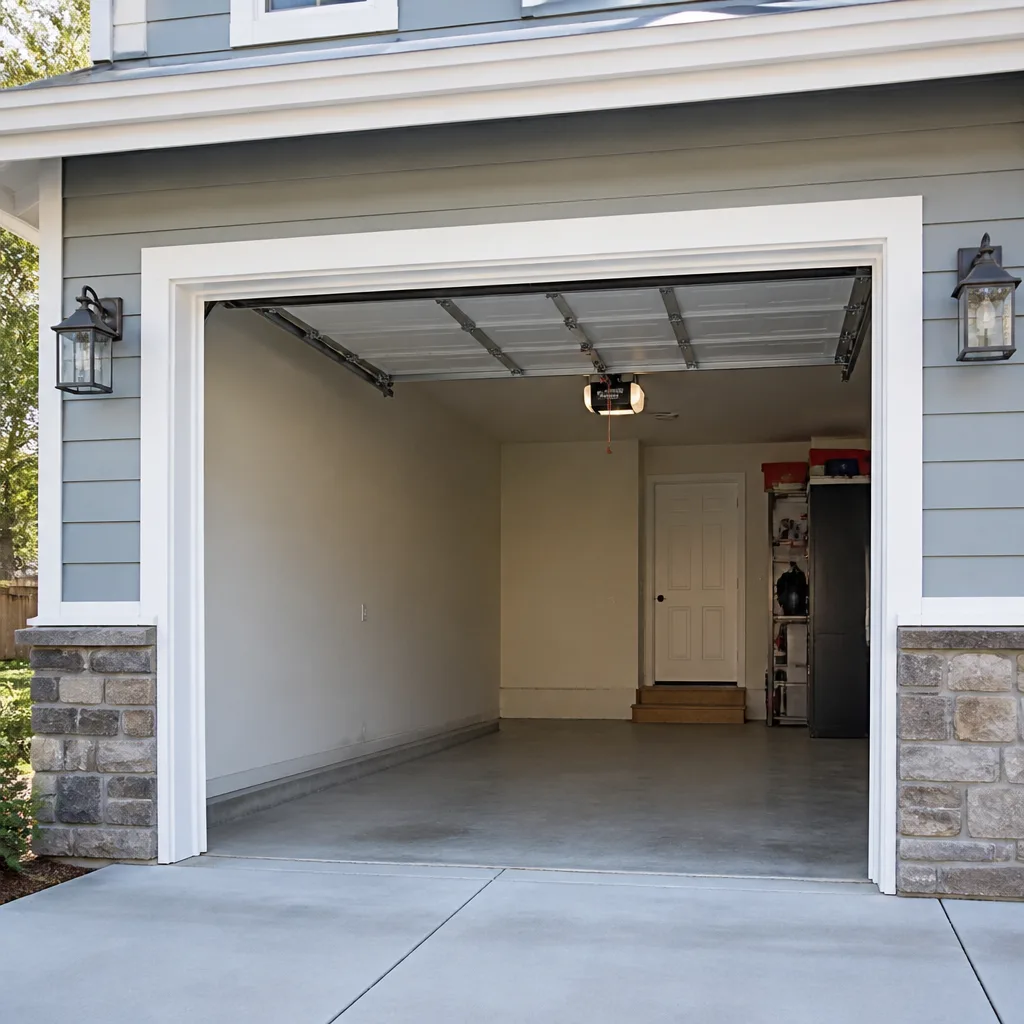 Chamberlain openers
Full 25-point door and opener safety check with every visit - springs, cables, rollers, tracks, and your LiftMaster or Chamberlain opener included
You get a price before we start. It does not change when the pro arrives.
Get your free estimateThe Complete Guide to Garage Doors in League City
Most homeowners in League City don’t realize their garage door is the largest moving part of their home. That matters here for reasons that don’t show up in most garage door guides. The heat and humidity of the Texas Gulf Coast push on springs, cables, tracks and opener electronics in ways a national article written for a mild climate never addresses. Storms bring wind loads that decide whether your door is rated for the pressure. And local building practices mean the door you inherited may not be the door a specialist would have chosen. This guide walks through what to know, what to check, and when to call someone, all written from League City, for League City.
Quick Answer
A garage door in League City needs to handle high heat, heavy summer humidity and hurricane-season wind loads, all at once. The right setup is a door with a proper wind-load rating for your zone, corrosion-resistant hardware (galvanized or stainless springs and cables), and an opener rated for the hours you actually use it. Most repairs and replacements are straightforward, the price is set by a written estimate before work starts, and calling a specialist early usually costs less than waiting for a small problem to turn into a big one.
Styles & brands we work with
- Raised-panel steel
- Carriage house
- Modern flush
- Full-view glass
- LiftMaster openers
- Chamberlain openers
Table of Contents
- Why Garage Doors in League City Are Different
- How Humidity and Salt Air Affect Springs, Cables and Tracks
- Wind Load Ratings for League City’s Hurricane Zone
- What New-Build Doors Get Wrong (and What a Specialist Specifies)
- Door Types and Openers That Work Best Here
- HOA Rules, Style Choices and Approval
- A Practical Maintenance Routine for the Gulf Coast
- Common Mistakes to Avoid
Why Garage Doors in League City Are Different
League City sits in a stretch of Texas where the Gulf air stays warm and wet for most of the year. That combination does quiet damage to garage door hardware. Steel springs corrode from the inside out, cables fray where moisture gets under the sheathing, and steel tracks start to pit and pit means the rollers drag. None of this happens overnight. It happens over a few summers, and it almost always shows up first on the parts you never look at.
Then comes hurricane season. League City falls within a wind-borne debris region that shapes how a garage door must be built and tested. Your door is often the largest opening on the house, and if it fails under wind pressure, wind gets inside and can lift the roof. That’s not a scare tactic; it’s why building codes here treat garage doors differently than they do in a mild inland city.
And then there’s the pace of local growth. Subdivisions that have gone up in the last couple of decades were often fitted with builder-grade doors and openers chosen for cost, not for a lifetime in the coastal Texas heat. Those doors work fine on day one. The wear pattern after a few years is where specialists spend most of their time.
How Humidity and Salt Air Affect Springs, Cables and Tracks
Standard torsion and extension springs are made of steel, and steel doesn’t love warm humid air. The problem isn’t that a spring looks rusty on the outside. The problem is that fatigue cracks start on the inside coils where the material flexes every time you open the door. When a worn spring finally lets go, it doesn’t bend, it shatters.
Salt air off Galveston Bay makes this worse. It’s not a dramatic effect moment to moment, but over a couple of years it accelerates corrosion on the parts closest to the door opening. Springs, cable ends, hinges, roller stems and the bottom bracket all pay the price. Letting this move too far is the single most common reason a garage door in League City ends up failing early.
The materials that hold up here:
- Galvanized springs and cables. A zinc coating is the simplest defense against humidity.
- Stainless steel springs and cable hardware. Higher upfront cost, longer service life in coastal conditions. Worth considering if you plan to stay in the home.
- Nylon rollers. They don’t rust like steel rollers and they run quieter, which matters in a home with a bedroom above the garage.
- Powder-coated or galvanized tracks. Raw steel tracks pit quickly in this climate.
What we see most often is a homeowner who replaced springs with the cheapest available set and had to do it again sooner than expected. If you’re already paying for a spring replacement, the corrosion-resistant version is usually the smarter call. That’s a conversation worth having before the work starts, not after. If a spring has already failed, garage door spring repair covers what’s involved and how a specialist handles it safely.
Wind Load Ratings for League City’s Hurricane Zone
Wind-load rating is the term you’ll hear when someone talks about how a door holds up under storm conditions. Ratings are set by building codes and engineering standards, and they translate into design pressure the door and its tracks must survive. In a hurricane-prone part of Texas like League City, that rating decides whether a door meets local code for its opening size and exposure.
Three things to know:
- Wind rating is a system property, not a door-only number. The door, tracks, hinges, rollers and fasteners all work together. A rated door on light-duty tracks may not meet the rating.
- Your home’s design pressure depends on the opening size and setup. A wide double door on an exposed wall can require more reinforcement than a single door on a sheltered one.
- Your insurance may care. Some carriers ask about wind-rated doors and their anchoring. Others don’t. Ask your insurer directly rather than assuming.
If you’re replacing a door, ask the installer to confirm the wind-load rating matches what the opening requires and that the track and anchoring are rated along with it. A door rated for a lower pressure, installed on standard tracks and anchored with short fasteners, gives you the paperwork of a rated door without the actual protection. That happens more often than homeowners expect, particularly when a door has been swapped by a generalist rather than a garage door specialist. For general repair work on an existing door, garage door repair is the right starting point.
What New-Build Doors Get Wrong (and What a Specialist Specifies)
Builder-grade garage doors aren’t junk. But they’re spec’d for a price point, not for a long life in a humid, hurricane-zone climate. The differences between what a builder installs and what a specialist would specify usually come down to five points.
- Hardware finish. Builders often use standard steel springs and cable ends. Specialists in League City lean toward galvanized or stainless hardware for this climate.
- Track gauge and anchoring. Lighter tracks are cheaper. Heavier tracks hold up better and hold their alignment across years of heat cycling.
- Opener quality. Builder-grade openers are often the minimum drive system the builder could negotiate. A specialist would put in a chain-drive or belt-drive opener with a duty rating that matches how often the door actually moves.
- Insulation. An uninsulated door lets summer heat soak into the garage and can push heat into the rooms above it. Insulated doors cost more and pay off in comfort and sound.
- Weather sealing. Bottom seals, perimeter seals and threshold details matter a lot when humidity is high. Cheap seals crack, harden and let water and bugs in.
None of that means you should rush out and replace a door that’s working. It does mean that if your door is coming up on ten years old and you’ve noticed rising noise, sagging sections or a spring that looks darker than it used to, you’re at the point where the builder-grade hardware has usually reached the end of its useful life. Getting a specialist to look at it early is cheaper than fixing a broken door.
Door Types and Openers That Work Best Here
Garage door styles vary mostly in how the sections are constructed: steel sandwich doors, aluminum doors with full-view glass, wood doors, and insulated steel doors with a polyurethane or polystyrene core. In a hot humid climate with wind-load requirements, insulated steel is usually the practical default. Aluminum full-view doors have a look many homeowners love, but they’re less insulated, which matters in a garage that faces afternoon sun.
The standard door styles you’ll see around League City:
- Sectional steel door, insulated. Best all-around choice for this climate. Handles heat, wind and humidity well.
- Sectional steel door, uninsulated. Cheaper, louder and hotter. Common on builder installs.
- Aluminum full-view with glass. Attractive, low insulation. Suits a covered driveway or a shaded facade.
- Wood. Beautiful, needs regular refinishing in this humidity. Not for a homeowner who wants minimal upkeep.
For openers, the brands worth knowing are LiftMaster, Chamberlain, Genie and Craftsman. Belt-drive openers run quieter than chain-drive and are usually the better pick if there’s a bedroom above the garage. Chain-drive is louder but heavier-duty and works well in a detached garage. Smart connectivity is common on modern LiftMaster and Chamberlain units, and being able to open and close from a phone is useful when you can’t remember whether you shut the door. If your opener has stopped responding, garage door opener repair is the right call rather than an opener replacement.
One more thing to consider: hurricane-rated doors can be heavier than standard doors. A heavier door needs the correct spring tension and a heavier-duty opener. If you upgrade the door, the spring and opener should be upgraded with it. Reusing the old opener on a much heavier door is one of the most common installation mistakes we see.
HOA Rules, Style Choices and Approval
League City has a number of subdivisions with active HOAs, and garage door style is one of the things they care about. Common rules include color palettes, panel styles, whether windows are allowed, and whether a door must match the original install. Some HOAs also require approval before any replacement goes up.
The practical advice is simple. Before you order a door, confirm the style with your HOA and get their approval in writing. It’s a lot easier to spend an afternoon on an approval form than to find out after install that your brand-new door doesn’t meet the community guidelines and has to come down.
When we work with a homeowner on a replacement, the steps are:
- Confirm the HOA’s color and style requirements.
- Measure the opening and confirm the wind-load rating needed.
- Agree on the door, springs, tracks and opener as a complete system.
- Submit the HOA approval (usually the homeowner’s step, though we can help with the spec sheet).
- Schedule the install once the door has been ordered and approved.
None of that is complicated, but skipping a step is where most HOA conflicts come from. Installation is a scheduled job, not a same-day repair. The right sequence is a free measure, a written estimate and a scheduled install date after the door arrives.
A Practical Maintenance Routine for the Gulf Coast
Your garage door needs less attention than people think, but it does need some. A few minutes of inspection every season catches most of the problems before they become repairs.
A sensible routine for a League City home:
- Look at the springs monthly. Watch for rust, dark discoloration, or a visible gap where there wasn’t one before. If a spring is broken or looks like it might snap, stop using the door and call a specialist.
- Listen for noise changes. A door that used to run quietly and now groans is telling you something.
- Check the balance every few months. Disconnect the opener (most openers have a manual release) and lift the door halfway. A balanced door should stay put. If it drops or races up, the spring tension is off.
- Inspect the cables. Look for fraying near the drums at the top of the track and near the bottom brackets. Frayed cable is a safety issue.
- Wipe down roller stems and hinges. A light application of a garage door lubricant keeps them from seizing in the humidity.
- Check the weather seal. A cracked or hardened bottom seal lets water, heat and insects in. Replacing it is usually quick and inexpensive.
Two parts of this routine are inspection-only for a reason. Springs and cables are under extreme tension. A torsion spring on a residential door can be holding hundreds of pounds of force, and a mistake with the winding bars or the cable can cause serious injury. Don’t try to adjust, remove or replace a spring or cable yourself. Watch them, listen for them, and call a trained technician when something is wrong. For the parts that are safe to deal with (lubricant, seals, rollers), the routine above is fine.
Common Mistakes to Avoid
- Replacing only one spring. Springs are matched. Replacing one side leaves the other at half its life and puts uneven force on the door. Replace the pair together.
- Picking the cheapest springs. In this climate, a cheap steel spring may last a fraction of the life of a galvanized or stainless one. The cost per year is often lower on the better part.
- Installing a hurricane-rated door on standard tracks. The door is only as strong as the system around it. The rating only means something when the tracks and anchoring match.
- Skipping the HOA approval. Buying the door before checking the community guidelines is the single most common way homeowners end up re-buying a door.
- Using a general handyman for spring work. Springs and openers are a specialist’s trade. A generalist can replace a roller or a seal but shouldn’t be adjusting tension on a torsion system.
- Ignoring a noisy door. Noise is information. A door that starts complaining is telling you a roller, hinge or spring is on its way out.
- Overlooking the opener when upgrading the door. A heavier hurricane-rated door on an old opener will strain the motor and shorten its life. Replace both together.
See the difference
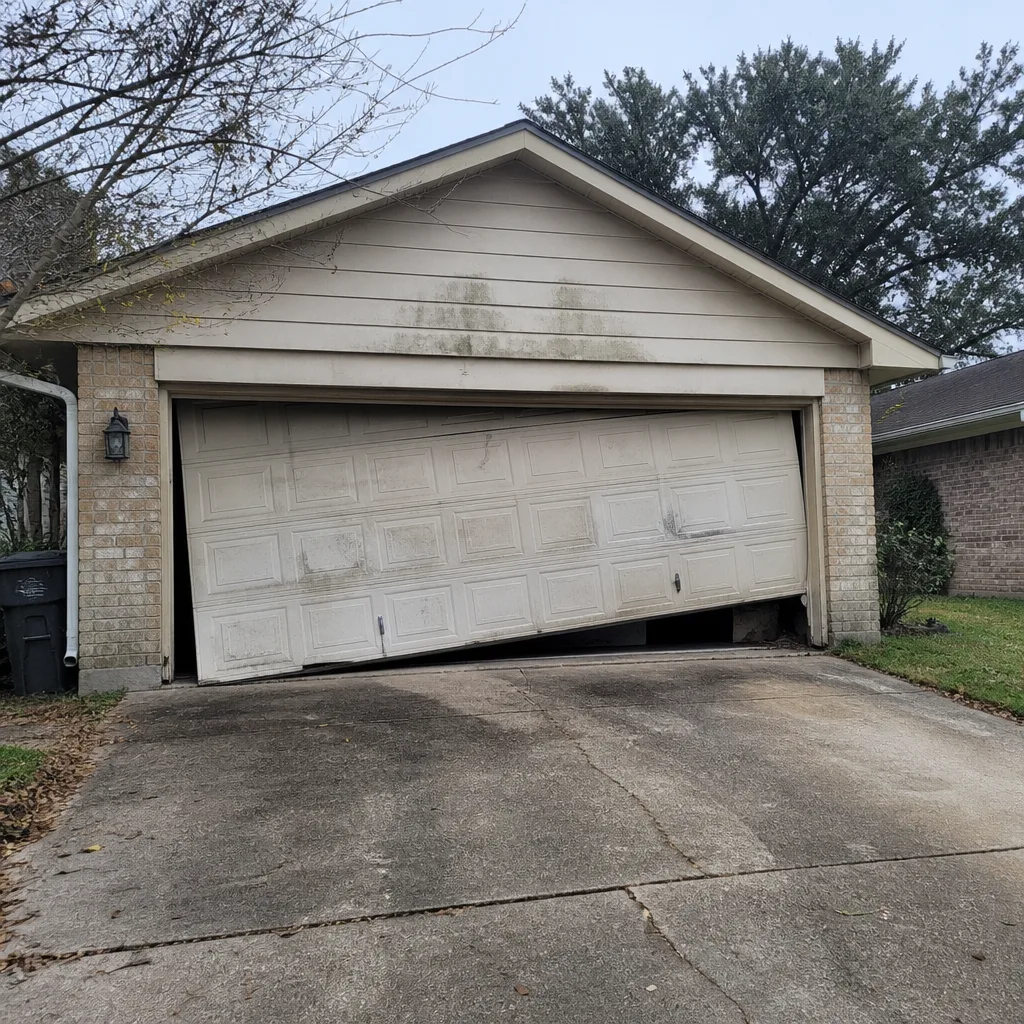 Before
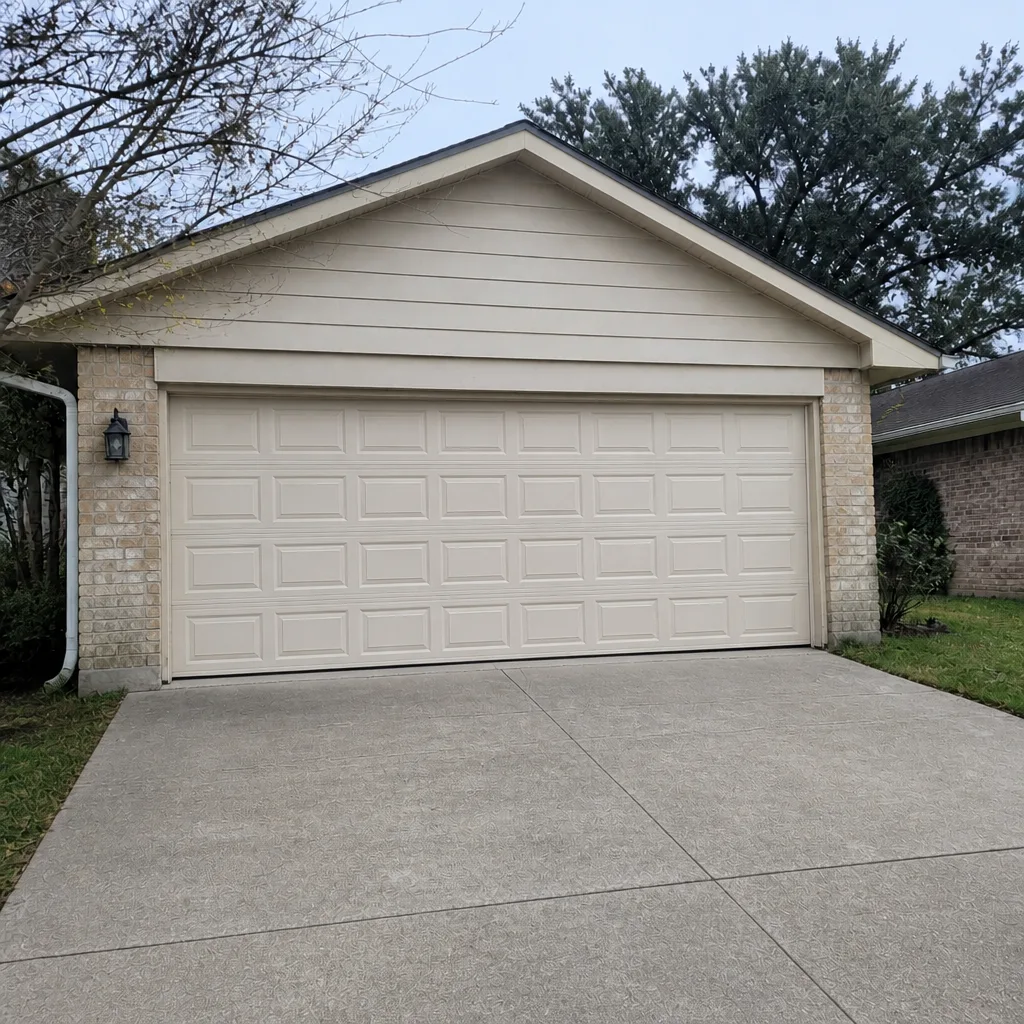 After
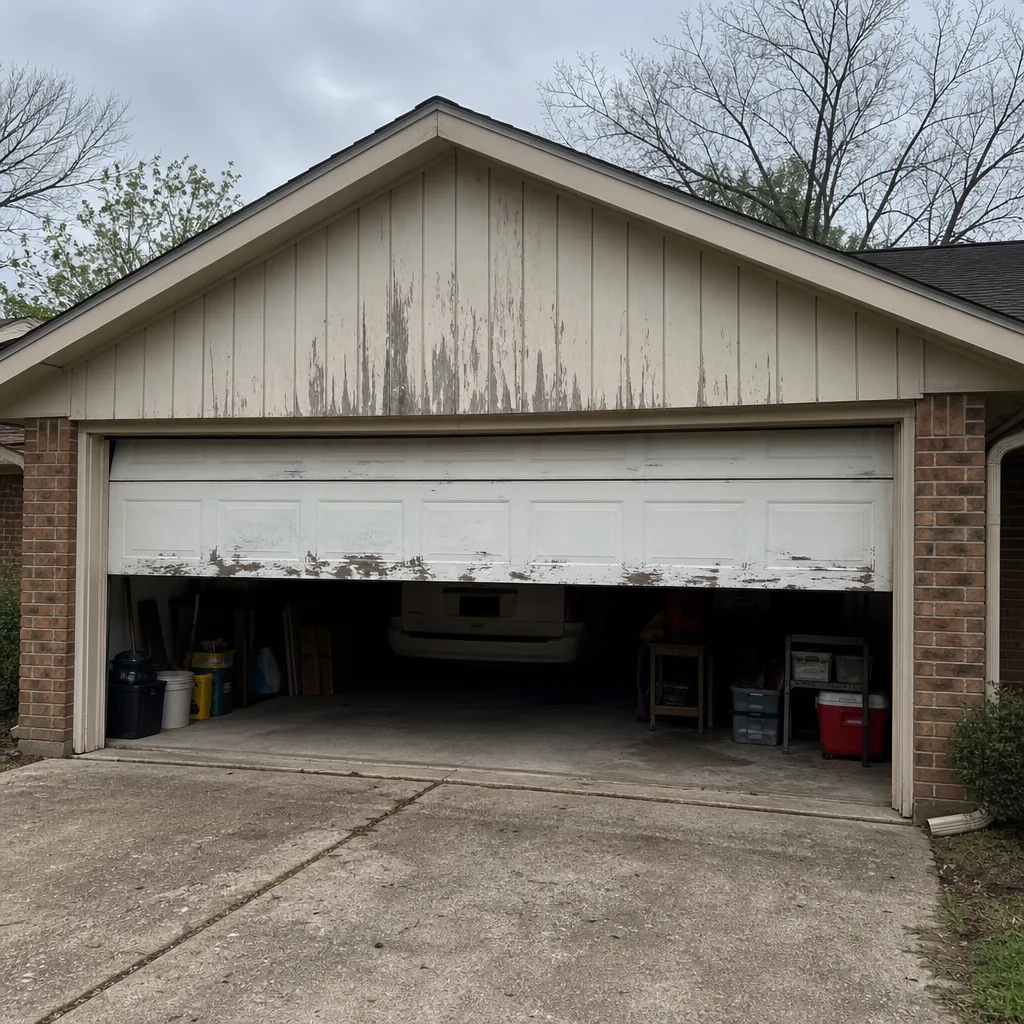 Before
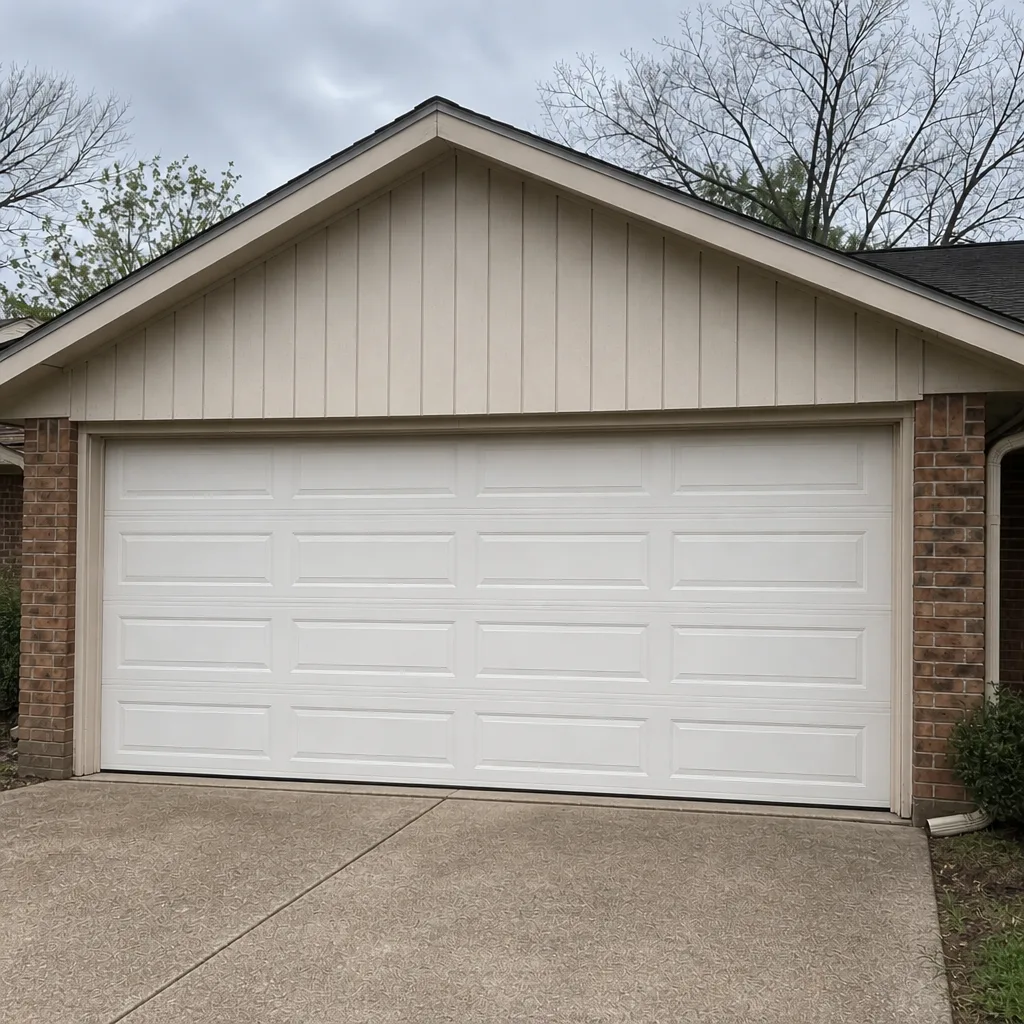 After
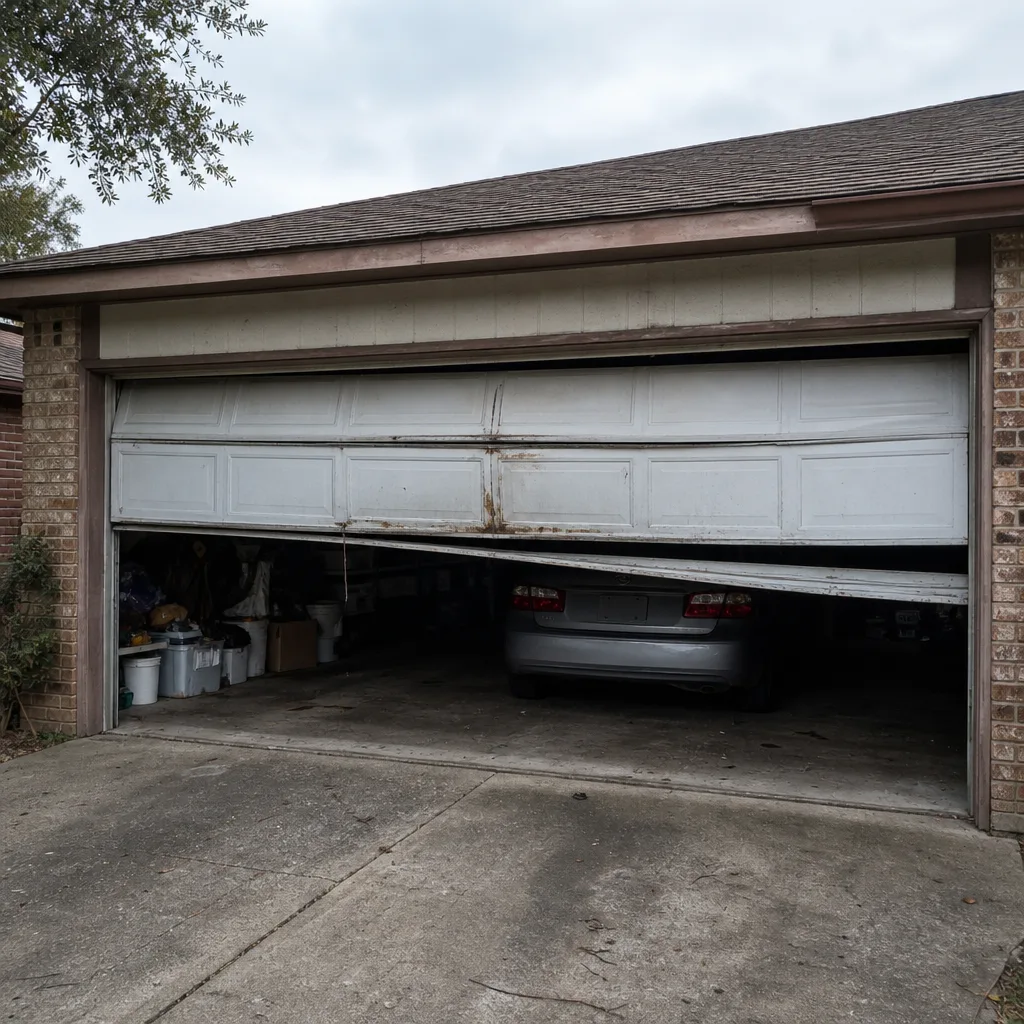 Before
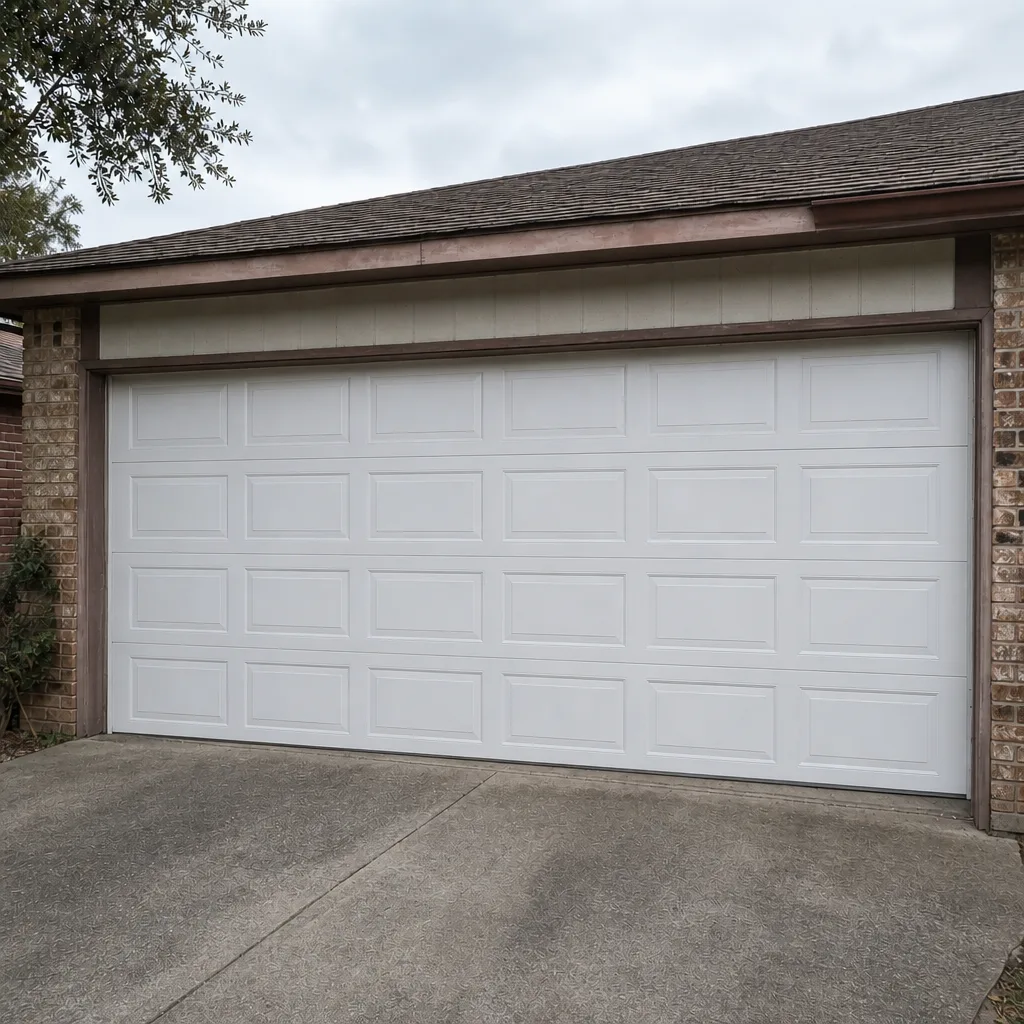 After
When to Call a Professional
Some garage door issues are safe to ignore for a few days. Others aren’t. Call a specialist if any of the following applies:
- A spring has snapped or the door won’t lift without help.
- The door is off its tracks, crooked, or stuck half-open.
- A cable is frayed, kinked or looks like it’s about to break.
- The opener makes grinding or clicking noises, reverses for no reason or won’t respond to the remote.
- The door doesn’t meet wind-load requirements and you’re replacing or selling the home.
- The garage is open and won’t shut, which is a security concern overnight.
For emergencies like these, we answer the phone around the clock and dispatch Sunday through Friday, 7am to 7pm. Getting the door up and the house secure before the day is out is almost always the goal. For scheduled work like a replacement door or a new opener, we recommend a free measure and a written estimate ahead of time, since installation is a planned job that depends on the door arriving. League City Garage Door Repair Co offers free estimates in League City, and every price is quoted and agreed before any work begins. Call (866) 937-7870 to get started.
Frequently Asked Questions
Spring replacement typically runs between $150 and $350 per spring, and because matched pairs are usually replaced together, a pair is roughly double that. The number you’re given is set by the written estimate, and we confirm it with you before any work starts. Spring quality, whether the door is a single or double, and the specific hardware all affect where in that range your job lands. Call (866) 937-7870 for an exact quote; estimates are free.
We answer 24/7, and fast dispatch runs 7am to 7pm Sunday through Friday, so a stuck door is usually something we can get to the same day. If your door is stuck open, that’s a security issue and worth calling right away. If it’s stuck closed, we can usually still get it open and get your car out. Call (866) 937-7870 to talk through the situation.
No. The written estimate sets the price, and we agree it with you before any work begins. If the technician finds something you weren’t aware of, they’ll walk you through it and you decide whether to proceed. The number on the estimate is what you pay unless you approve a change first.
The local professionals we connect you with are licensed and insured as Texas requires. Our technicians have up to 11 years of experience, and we work on the major brands you already own, including LiftMaster, Chamberlain, Genie, Clopay, Amarr, Wayne Dalton, Craftsman and Raynor. If you’d like details, ask when you call and we’ll confirm before the appointment.
It depends on your home’s design pressure, which comes from the opening size, the wind exposure of the wall and the building code in effect for your address. Ask your city’s building department for the design pressure that applies to your home, and confirm with the installer that both the door and the tracks are rated to meet it. If you’re replacing a door, our written estimate will specify the rating we’re proposing so you can compare it against what your city requires.
There’s no single answer, but doors here generally last shorter than doors in dry inland climates because humidity and salt air wear out the hardware and seals faster than the panels. A well-maintained door with good hardware can last far longer than a builder-grade door on standard steel springs. Watch the hardware more than the door: springs, cables, rollers and seals are usually what fail first.
The Bottom Line
A garage door in League City is doing more work than the same door would do almost anywhere else. It’s fighting humidity and salt air, meeting hurricane-zone wind requirements, and handling some of the hottest afternoons in the state. Get the wind-load rating right, use corrosion-resistant springs and cables, keep the tracks straight and the opener matched to the door, and most doors last far longer than the builder-grade installs that go wrong. The rest of the work is routine inspection, a call to a specialist when something looks wrong, and a written estimate before anything is done. Start with a call and a free measure and we’ll walk you through the rest.
When you need help, call (866) 937-7870 for a free estimate. We answer 24/7. Fast dispatch from 7am to 7pm, Sunday through Friday. Learn more about who we are and how we work at League City Garage Door Repair Co.
Written by the team at League City Garage Door Repair Co.