
Last updated November 21, 2026
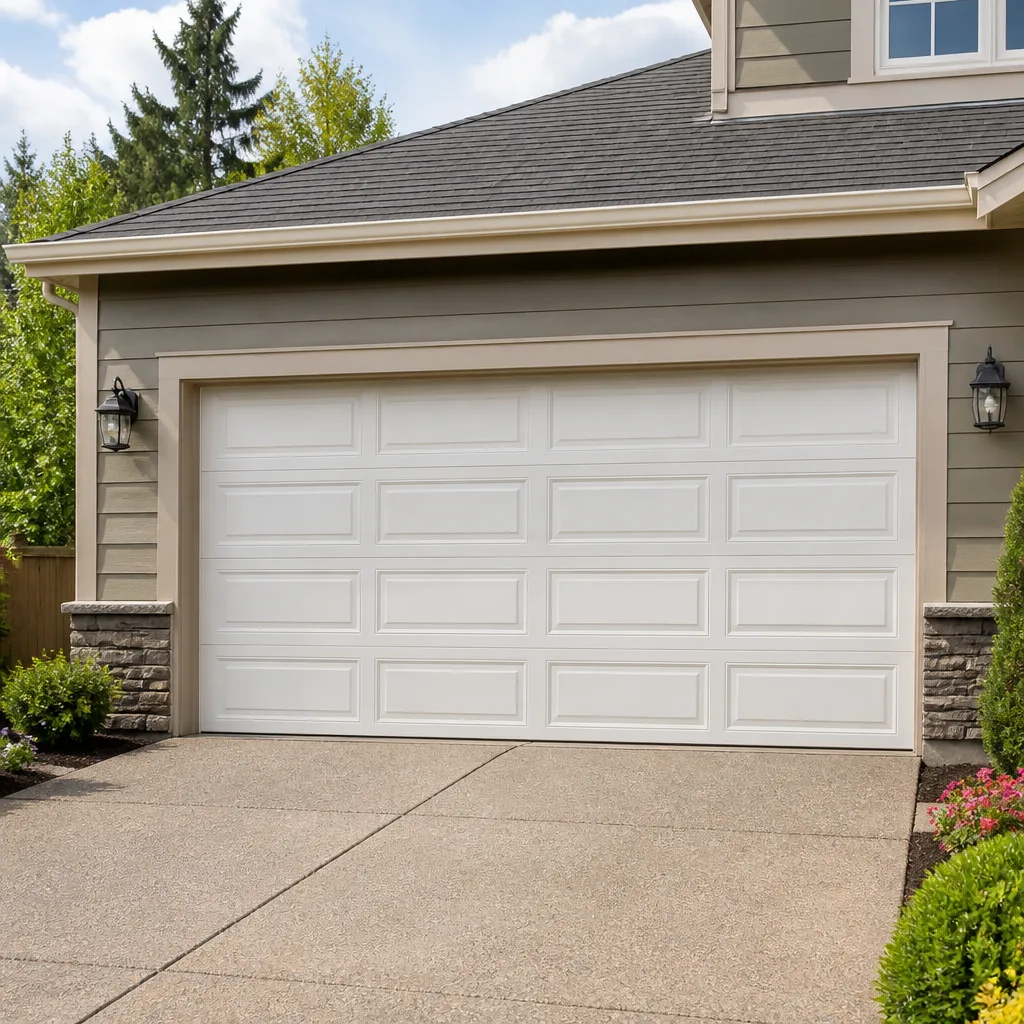 Raised-panel steel
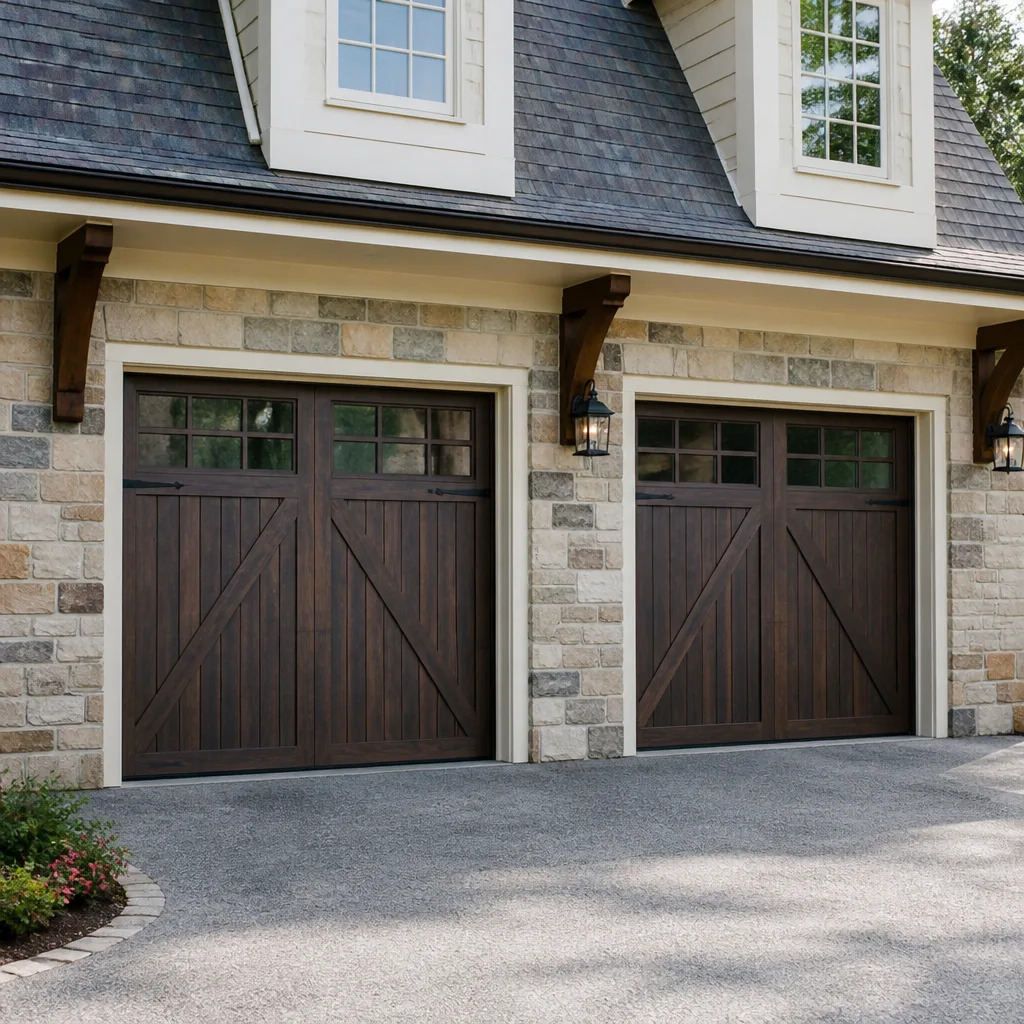 Carriage house
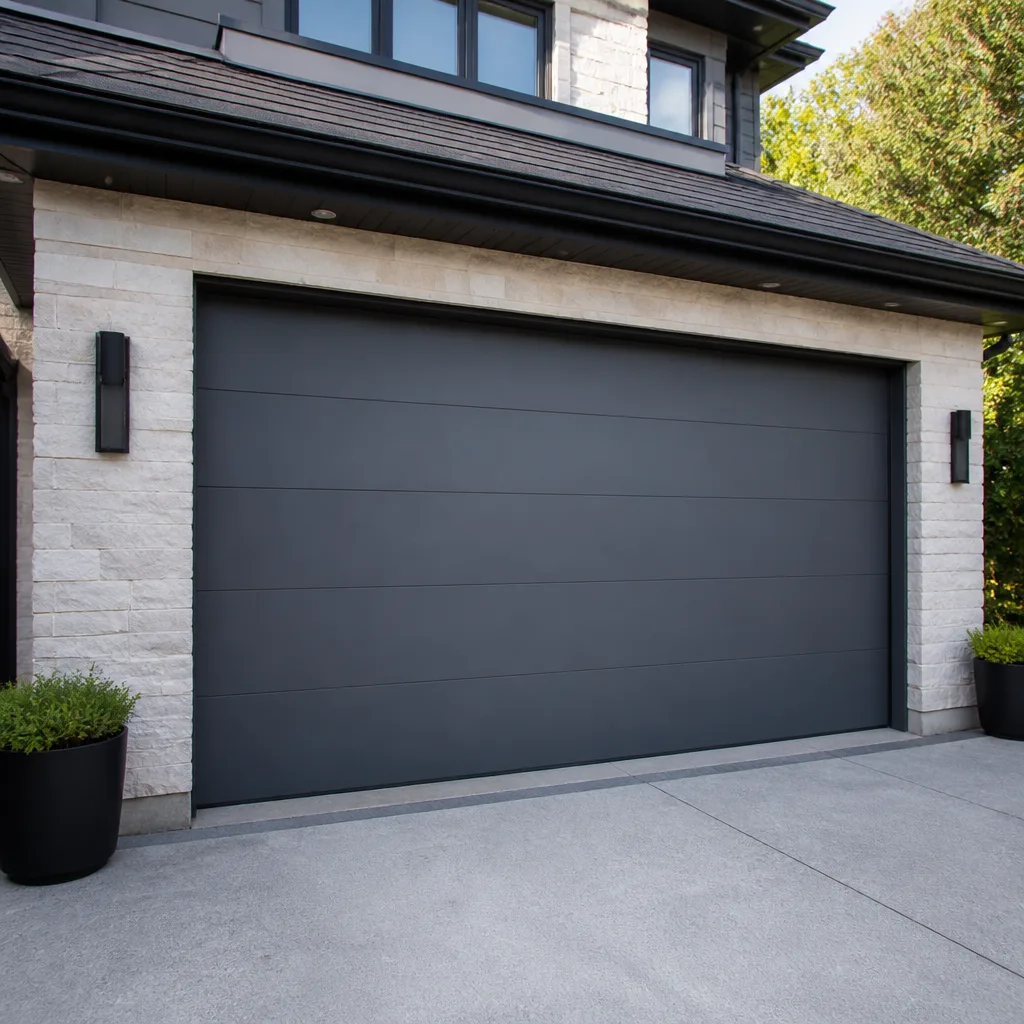 Modern flush
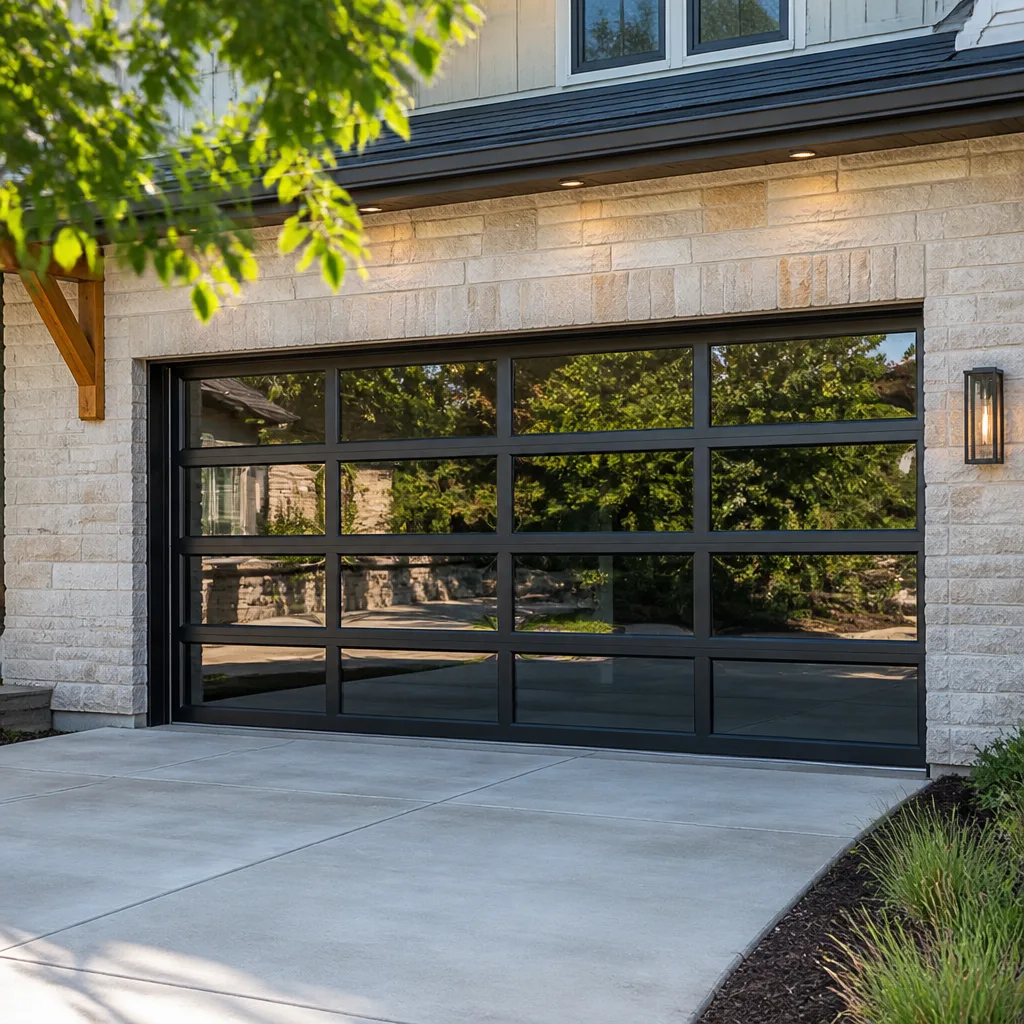 Full-view glass
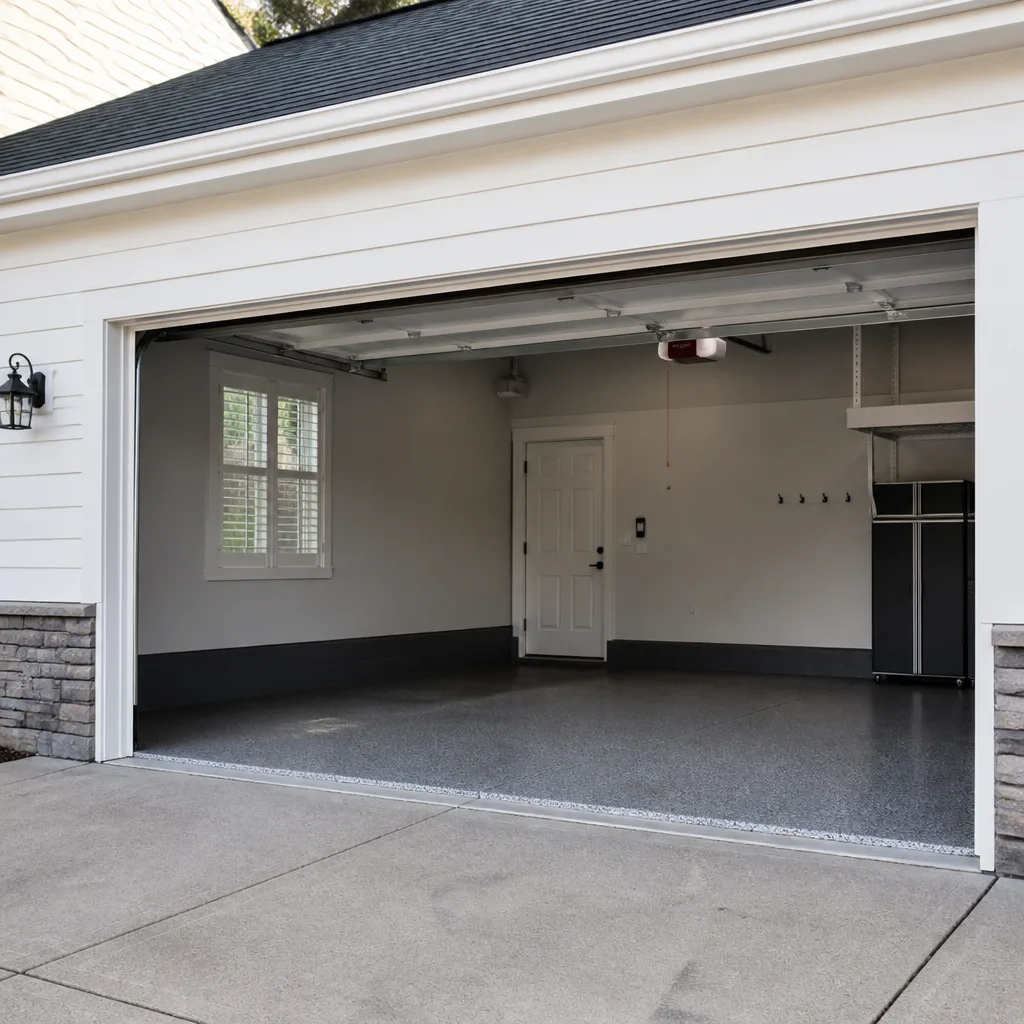 LiftMaster openers
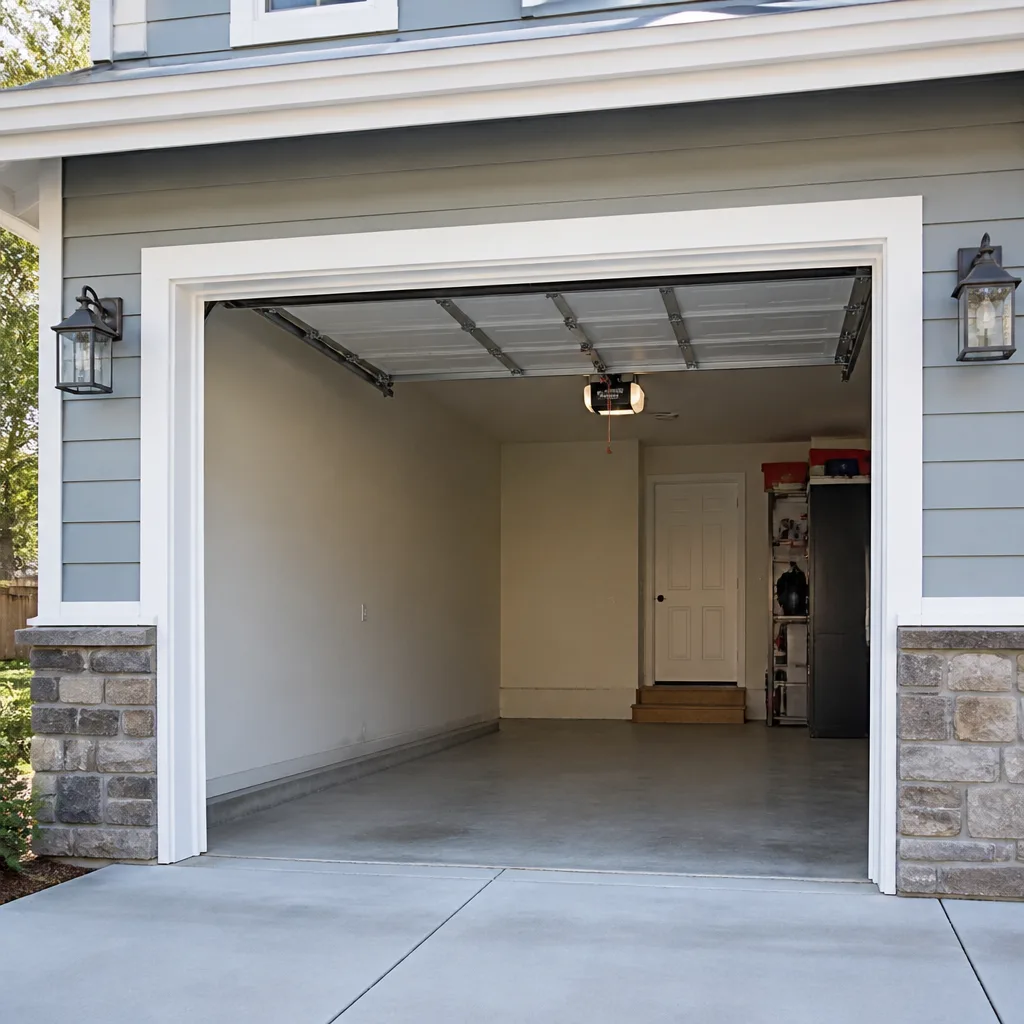 Chamberlain openers
Full 25-point door and opener safety check with every visit - springs, cables, rollers, tracks, and your LiftMaster or Chamberlain opener included
You get a price before we start. It does not change when the pro arrives.
Get your free estimateGarage Door Warning Signs: A League City Homeowner’s Reference Guide
A garage door that takes two seconds longer to open than it used to isn’t a quirk. It’s usually a spring that’s losing tension, and in League City‘s heat, that slide from “slow” to “snapped” can happen in a matter of weeks. Most door failures we get called about started with a warning the homeowner noticed and filed away as normal. We wrote this reference guide so you don’t have to guess which sounds, gaps, and hesitations matter and which ones don’t. By the end, you’ll know what each symptom points to, which signs mean “schedule service soon,” and which mean “stop using this door today.”
Styles & brands we work with
- Raised-panel steel
- Carriage house
- Modern flush
- Full-view glass
- LiftMaster openers
- Chamberlain openers
Quick Answer
Warning signs that a garage door needs service include slow or uneven movement, a door that reverses before closing, grinding or snapping sounds, visible spring gaps, a sagging top panel, and gaps at the weather seal. Signs that mean stop using the door immediately are a snapped spring, a frayed or hanging cable, a door that falls when you pull the release, and any door that has come off one of its tracks. Slow, noisy, or slightly misaligned doors are usually safe to keep operating short-term while you book a repair. League City’s humidity and summer heat speed up wear on springs, seals, and painted steel, which is why catching early signs here is worth the few minutes it takes.
Table of Contents
- Why Warning Signs Get Ignored
- What a Slow or Uneven Door Is Telling You
- Decoding the Sounds: Grinding, Squealing, and Snapping
- The 60-Second Visual Inspection From Outside
- Gulf Coast Warning Signs: Rust, Seals, and Swollen Panels
- Is It the Opener or the Door? Sorting Out the Blame
- Schedule Service Soon vs. Stop Using the Door Now
- Common Mistakes to Avoid
- When to Call a Professional
- Frequently Asked Questions
- The Bottom Line
Why Warning Signs Get Ignored
Garage doors are the most used appliance in most homes, and that’s exactly why people stop noticing them. You open and close the door several times a day, every day, and the brain tunes out what it hears constantly. A rattle that would alarm you the first week becomes background noise by the third. By the time the door finally quits, it’s rarely a surprise to the door – it’s a surprise to the homeowner.
There’s a second reason signs get ignored: most early garage door problems don’t affect the door’s ability to open and close. A spring that’s lost some tension still lifts the door. A cracked hinge still holds. A seal that’s pulled away still keeps most of the weather out. These problems compound quietly until one day the door stops mid-travel, and what could have been a small repair becomes a much bigger job.
In League City, the compounding happens faster. Summer heat cycles metal constantly, humidity works at painted steel and wood from the outside in, and the same door that would take five years to develop a problem in a drier climate can show the early signs in two or three here. Homeowners in neighborhoods like Tuscan Lakes and Bay Colony often notice the same progression: the door gets a little louder one summer, a little slower the next, and then refuses to open on a random Tuesday morning.
Here’s the core thought to hold onto while reading this guide: the difference between a quick repair and a door replacement is almost always whether the warning was caught early. Early signs point to one component. Late signs point to several at once.
What a Slow or Uneven Door Is Telling You
A door that opens more slowly than it used to, or that lifts at an angle before leveling out, is the most reliable early warning in the trade. In our experience, this is the sign homeowners most often misdiagnose, because the door still works and there’s nothing visibly broken. Here’s what’s actually happening underneath.
- Slow lift on a torsion spring door – the spring has lost tension. Torsion springs are designed to carry most of the door’s weight. When they weaken, the opener has to work harder to lift, and the door feels sluggish.
- Slow lift on an extension spring door – same principle, different mechanism. Extension springs stretch along the horizontal tracks, and worn springs stretch further with less lift.
- Uneven lift, one side higher – a stretched or broken spring on one side, or a bent track, or a roller off its track. This is a service call, not a “wait and see.”
- Door hesitates at the start or stalls mid-travel – the opener is straining against a door that’s heavier than it should be, or the opener’s force settings are masking a mechanical issue underneath.
- Door reverses before fully closing – a misaligned safety sensor, a track obstruction, or a door that’s binding on one side. Sometimes all three.
What makes a slow door specifically worth attention in League City is the heat. Springs lose tension faster in sustained high temperatures, and the change can be gradual enough that you don’t consciously notice it until a visitor mentions the door sounds different. A door that takes two seconds longer than it used to isn’t a personality quirk. It’s a spring telling you it’s tired.
If the door is slow but still operates, you can usually book a repair rather than call an emergency line. garage door spring repair is a standalone service for exactly this kind of symptom, and a technician can measure spring tension and tell you how much life is left before you’re dealing with a broken spring instead of a worn one.
Decoding the Sounds: Grinding, Squealing, and Snapping
Every garage door has a normal sound profile, and every homeowner gets used to theirs within a few weeks of moving in. What matters is change. A door that suddenly sounds different is telling you something that a door that’s always sounded the same isn’t. Here’s how to translate each sound.
Grinding
Grinding usually means metal-on-metal contact somewhere it shouldn’t be. The most common culprits are worn rollers (seized bearings scraping along the track), a bent or misaligned track, or a torsion tube that’s lost its lubrication. Grinding is a “schedule service soon” sound. It’s not dangerous on its own, but it accelerates wear on everything it touches.
Squealing or Squeaking
Squealing is dry metal. Hinges, rollers, and springs all need lubrication, and in a hot, humid climate like ours, the lubricant that came with the door from the factory breaks down faster than you’d expect. Squealing is the cheapest problem on this list – proper lubrication from a trained hand – but if it’s accompanied by grinding or a slow door, treat it as a symptom of a bigger issue rather than something to solve with a spray can.
Rattling or Banging
Rattling often points to loose hardware: hinge bolts that have backed out, track brackets that have loosened from the wall, or a door panel that’s separated slightly from its stile. Banging, especially when the door hits the top of its travel, suggests the opener’s limit switch is set wrong or the door is hitting a stop that’s out of adjustment.
Snapping or a Loud Pop
A single loud snap followed by the door becoming very heavy, or the door refusing to open at all, almost always means a spring has broken. This is the “stop using the door” sound. Do not try to lift the door manually to check. Torsion and extension springs are under extreme tension, and a snapped spring or a released cable is one of the most dangerous components in any home. This is a job for a trained technician, not a homeowner with a ladder.
If you hear a snap, close the door if it’s safe to do so, leave it alone, and call. Our technicians have up to 11 years of experience with spring failures, and we treat snapped springs as an emergency call because a door stuck open is a security issue and a door stuck closed with a car trapped inside is a practical one.
The 60-Second Visual Inspection From Outside
Most developing garage door problems are visible from your driveway before they’re audible from inside the house. A one-minute visual check once a month catches the majority of them. You don’t need tools, and you don’t need to touch anything under tension. Here’s the sequence:
- Stand back and look at the door closed. Is it level along the bottom edge? Is one side visibly lower than the other? Is any panel out of line with its neighbors?
- Look at the gap under the door. Can you see daylight all the way across, or is there a gap at one end? A uniform gap of half an inch or less is normal. A gap that’s wider on one side points to a door out of level.
- Look at the weather seal along the bottom and sides. Is it flat against the door, or has it curled, cracked, or pulled away? In League City, the combination of heat and humidity degrades rubber and vinyl seals quickly.
- Scan the door panels for rust streaks or bubbling paint. Rust along the bottom edge is common here. Rust streaks near hinges or panel seams point to moisture getting behind the paint, and rust near the bottom means water is pooling at the threshold.
- Look at the tracks from the side. They should be straight and parallel. Any bend, kink, or separation from the wall bracket is worth a call.
- Look at the cables (do not touch them). Cables should run straight and taut along their path. A cable that looks frayed, kinked, or is hanging loose is a stop-using-the-door sign.
- Look at the springs if they’re visible. Torsion springs run horizontally above the door; extension springs run along the sides. A visible gap in the coil of a torsion spring means the spring has broken. A stretched or sagging extension spring means it’s near failure.
That’s the whole inspection. It takes less time than backing out of the driveway, and it catches the signs that would otherwise turn into a mid-week emergency. Do it once a month, and always after a big seasonal shift – the first sustained heat of summer and the first cool snap of fall are when most hidden problems show themselves.
Gulf Coast Warning Signs: Rust, Seals, and Swollen Panels
Garage doors in League City face a specific set of stressors that homeowners moving here from drier climates don’t always anticipate. The heat is the obvious one. The humidity is the one that does the quiet damage. Together they create a set of warning signs you should watch for that don’t show up in most general garage door guides.
Rust Streaks and Bubbling Paint
Steel garage doors are painted or powder-coated at the factory, and that coating is designed to last. In sustained humidity, any pinhole, scratch, or seam that lets moisture reach bare steel will start to rust from behind the paint. You’ll see a faint orange streak first, then bubbling paint, then flaking. Catch it when it’s a streak and it’s a touch-up. Catch it when it’s flaking and the panel is compromised.
Weather Seal Gaps and Cracks
The bottom seal is the part of your door most exposed to standing water when it rains, and in a Gulf Coast climate it takes a beating. A seal that’s lost its flexibility won’t bounce back against the floor, and you’ll get gaps that let in water, insects, and hot air. Side seals and top seals matter too – a gap at the top of the door lets hot attic-adjacent air into the garage, and a gap along the sides lets insects and small animals in. A seal that’s more than a few years old is worth a close look every spring.
Humidity-Swollen Panels
Wood and composite doors absorb moisture through their end grain and through any crack in the finish. When they swell, panels can bind against each other and against the tracks, which makes the door hard to lift and stresses the opener. A door that suddenly needs more force to close, or that bows visibly in the middle, may have absorbed enough moisture to change its shape. This is common in League City during the wetter months, and it’s one of the reasons a wood or composite door benefits from regular inspection of its finish.
Warped or Sagging Panels
Heat and humidity together can warp a panel over time, especially on doors that face west or south and take direct afternoon sun. Look for panels that no longer sit flat in the door frame, or that catch the light at a different angle than their neighbors. A single warped panel is usually a panel replacement. Multiple warped panels on the same door point to a failing door structure.
Rusty or Seized Hinges and Rollers
Every hinge and roller on your door is a small metal part that can rust. Seized rollers drag against the track, seized hinges stop pivoting, and both put load on the opener. A door that squeals when it moves is telling you a hinge or roller has lost its lubrication. If it’s already rusted, lubrication won’t fix it – the part needs replacement.
We work on the brand you already have, including Clopay doors, LiftMaster openers, and Chamberlain systems, so if your inspection turns up any of these Gulf Coast signs, we can tell you what’s normal wear and what’s a genuine repair. Call (866) 937-7870 for a free estimate on any of it.
Is It the Opener or the Door? Sorting Out the Blame
One of the most common misdiagnoses in garage door service is blaming the wrong part. A homeowner sees a door that won’t close and assumes the opener has failed, when the real problem is a bent track the door is binding against. Another homeowner sees a door that reverses for no reason and assumes a sensor problem, when the real problem is a door with a broken spring the opener can’t lift. Getting the diagnosis right changes the cost of the repair significantly.
Here’s a simple way to think about it. The opener’s job is to lift and lower a balanced door. The door itself, with its springs and tracks, is supposed to be nearly weightless when correctly adjusted. If the door is out of balance, the opener fights it – and if the opener fights a door for long enough, the opener eventually fails too. So a broken opener is often a symptom, not the cause.
Signs It’s the Door (Not the Opener)
- The door is visibly heavier to lift by hand (test only when the door is fully down and only if it’s safe to do so).
- The door moves unevenly, with one side lagging behind the other.
- The door is slow on both open and close cycles.
- You hear grinding from the tracks or the torsion tube, not the opener unit.
- The door reverses at roughly the same point every time – suggests a bind or track issue.
- You can see a broken spring, a bent track, or a loose cable.
Signs It’s the Opener (Not the Door)
- The door moves smoothly when you pull the release and lift it by hand, but the opener still struggles.
- The opener hums but the door doesn’t move – drive gear, chain, or belt issue.
- The door reverses immediately after touching the floor – limit switch or travel adjustment.
- The opener’s lights flash in a pattern – many LiftMaster and Genie units use flash codes to signal specific faults.
- Remote or wall control stopped working but the door works from the app – logic board or receiver issue.
- The opener runs but the door only moves a few inches – carriage, trolley, or drive engagement.
If you’re not sure which side of the diagnosis you’re on, that’s the right moment to call. We work on LiftMaster, Chamberlain, Genie, and Craftsman openers as well as Clopay, Amarr, Wayne Dalton, and Raynor doors, so we can tell you exactly which system is failing rather than guess. Our garage door opener repair service covers everything from a bad limit switch to a full drive assembly, and our garage door repair service covers everything on the door itself.
Schedule Service Soon vs. Stop Using the Door Now
The single most useful distinction in this guide is knowing which warning signs mean “call for an appointment” and which mean “close the door and leave it alone until a technician arrives.” Getting this wrong is how a repairable problem becomes a dangerous one.
Schedule Service Soon (Safe to Keep Using Short-Term)
- A door that’s slow but still opens and closes smoothly
- Squealing, squeaking, or rattling that hasn’t changed the door’s movement
- Minor weather seal gaps and worn bottom seals
- Rust streaks and bubbling paint (address before it spreads)
- A single warped panel that isn’t binding against the tracks
- One remote or keypad that doesn’t respond when the others do
- Occasional reversals that you can clear by hitting the control again
If your only symptom is from this list, call during normal hours, book an appointment, and use the door normally in the meantime. This is also the time to ask for a free estimate so you know what the repair will cost before anyone starts.
Stop Using the Door Now (Call for Emergency Service)
- A door that won’t open or close at all, especially if a car is trapped inside
- A visible broken spring, or a door that suddenly feels extremely heavy
- A frayed, kinked, or hanging cable
- A door that has come off its tracks on one or both sides
- A door that fell or dropped when you pulled the release handle
- Any door stuck in the open position (a security issue as well as a practical one)
- A door that has visibly sagged or bent in the middle
Any of those signs is a call-now situation. Do not try to lift the door manually to inspect it. Torsion and extension springs are under extreme tension, and a snapped spring or released cable can cause serious injury. A door stuck open overnight is also a security problem in any neighborhood, and a door stuck closed with a car inside is a scheduling problem you don’t want to push to tomorrow. We answer 24/7. Fast dispatch from 7am to 7pm, Sunday through Friday.
Common Mistakes to Avoid
- Waiting for the door to fail before calling. A worn spring is a far cheaper fix than a snapped one, and a broken spring often takes the opener with it. The two-second slowdown you noticed last month is the repair bill you’re trying to avoid.
- Blaming the opener for a door problem. If the door is out of balance, a new opener will fail too. Diagnose the door first, then the opener. That order saves money and prevents repeat repairs.
- Ignoring rust streaks on painted steel. In League City’s humidity, rust that starts at a seam or bottom edge spreads fast. Touching it up early is a few dollars; replacing a rusted-through panel is a real repair. Same applies to bubbling paint on the bottom of the door.
- Force-adjusting an opener to compensate for a heavy door. Crank up the force limit and the opener will lift the door – until it burns out the drive gear or bends the top section. A heavy door means a balance problem, and a balance problem means springs.
- Assuming a noisy door just needs a spray of lubricant. Lubrication helps hinges and rollers, but grinding from the torsion tube, squealing from a failing bearing, or rattling from a loose track bracket won’t go away with a can of spray. Match the treatment to the actual symptom.
- Skipping the monthly visual inspection because the door “still works.” The whole point of a warning sign is that it shows up before the door stops working. One minute per month catches most issues while they’re still small.
- Using a general handyman for a garage door issue. Garage doors involve springs under extreme tension and openers with specific adjustments. A generalist can make a door work for a few weeks and leave a dangerous spring behind. Call a garage door specialist – it’s what we do.
When to Call a Professional
Call a professional the moment any of the following is true: you can see a broken spring, a frayed or hanging cable, or a door off its tracks; your door won’t open or close; you’ve had to raise the opener’s force setting to keep the door moving; a door is stuck open and you’re concerned about security; or you’ve noticed the same symptom recurring after a repair attempt. Garage doors aren’t a “wait and see” appliance, because the components that fail are under serious tension and the cost of waiting is measured in both dollars and safety. League City Garage Door Repair Co offers free estimates in League City – call (866) 937-7870. We answer 24/7, and we dispatch fast from 7am to 7pm, Sunday through Friday. Springs, openers, panels, full installs – one call covers it all.
Frequently Asked Questions
The most common warning signs are a door that’s slower than it used to be, uneven movement side to side, grinding or squealing from the tracks, a visible gap at the weather seal, rust streaks on painted steel, and a door that reverses before closing. In League City, the combination of heat and humidity means seals, springs, and painted steel all show wear faster than in drier climates. Any one of those signs is worth a professional look before it becomes a bigger repair.
Once a month is enough for the 60-second visual check from your driveway, and always after a major seasonal shift – the first sustained heat of summer and the first cool snap of fall. That’s when heat-set and moisture-set problems tend to surface. If you use the door more than average, say for a home business or multiple daily cycles, monthly is the floor, not the ceiling.
No. Garage door springs – both torsion and extension – are under extreme tension, and a snapped spring or released cable can cause serious injury. This is the single most dangerous part of any garage door system, and it’s a job for a trained technician every time. Our technicians have up to 11 years of experience with spring repair, and we treat it as a standalone service for that reason. Call (866) 937-7870 for a free estimate.
No. A slow door is the earliest sign of a spring losing tension, and in a hot climate the progression from slow to snapped can happen in weeks. Book an appointment now rather than waiting for a failure. A worn spring is a small repair; a snapped spring often takes the opener with it and turns into a bigger bill. Call for an estimate and let a technician measure the remaining life on the springs.
If the door is smooth and easy to lift by hand but the opener still struggles, the problem is the opener. If the door feels heavy, moves unevenly, or grinds in the tracks, the problem is the door – springs, tracks, or cables – even if the opener is what finally gave out. A technician can sort it in a few minutes on-site, and getting the diagnosis right the first time saves you from repairing the wrong part.
Often, yes. A door stuck open, a snapped spring, or a door off its tracks is an emergency call, and we prioritize those. We answer 24/7, and we dispatch fast from 7am to 7pm, Sunday through Friday. Call (866) 937-7870 and we’ll give you a straight answer on timing. The price is quoted and agreed before any work starts, so you’ll know the cost before anyone touches the door.
The Bottom Line
Garage door failures almost never happen without warning. A slow door, a new sound, a rust streak, a gap at the seal – each of those is a symptom pointing to a specific part, and each is cheaper to fix early than late. Watch for the changes, do the 60-second inspection once a month, and learn to tell the difference between “schedule service soon” and “stop using this door now.” The stop signs are always the spring, the cable, or the track. If you see any of them, don’t investigate – call. The rest, you can schedule. If you’d like a free estimate on anything in this guide, or you’re not sure which side of the line your symptom falls on, we’re reachable at (866) 937-7870. We answer 24/7, and we’ll tell you what we see, what it means, and what it costs before any work starts. This is League City Garage Door Repair Co, and garage doors are all we do.
Written by the team at League City Garage Door Repair Co.
See the difference
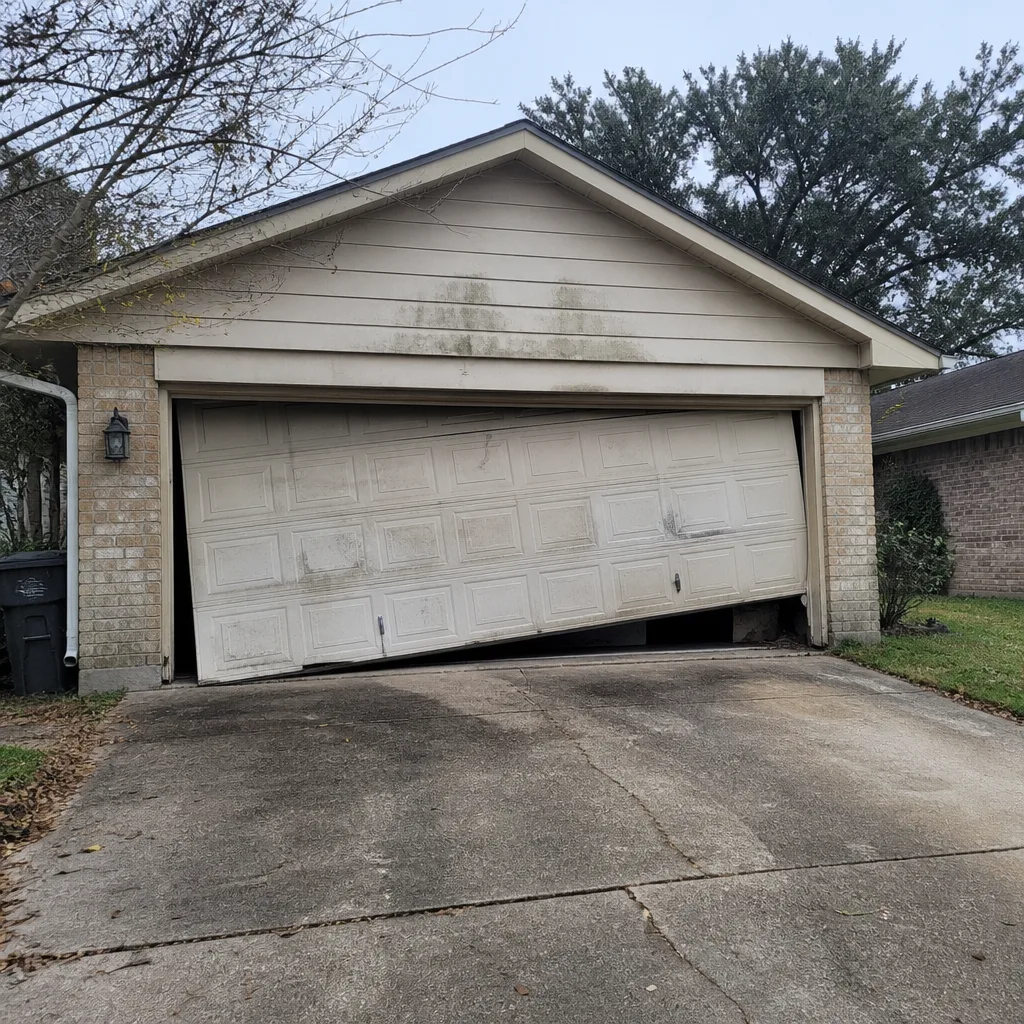 Before
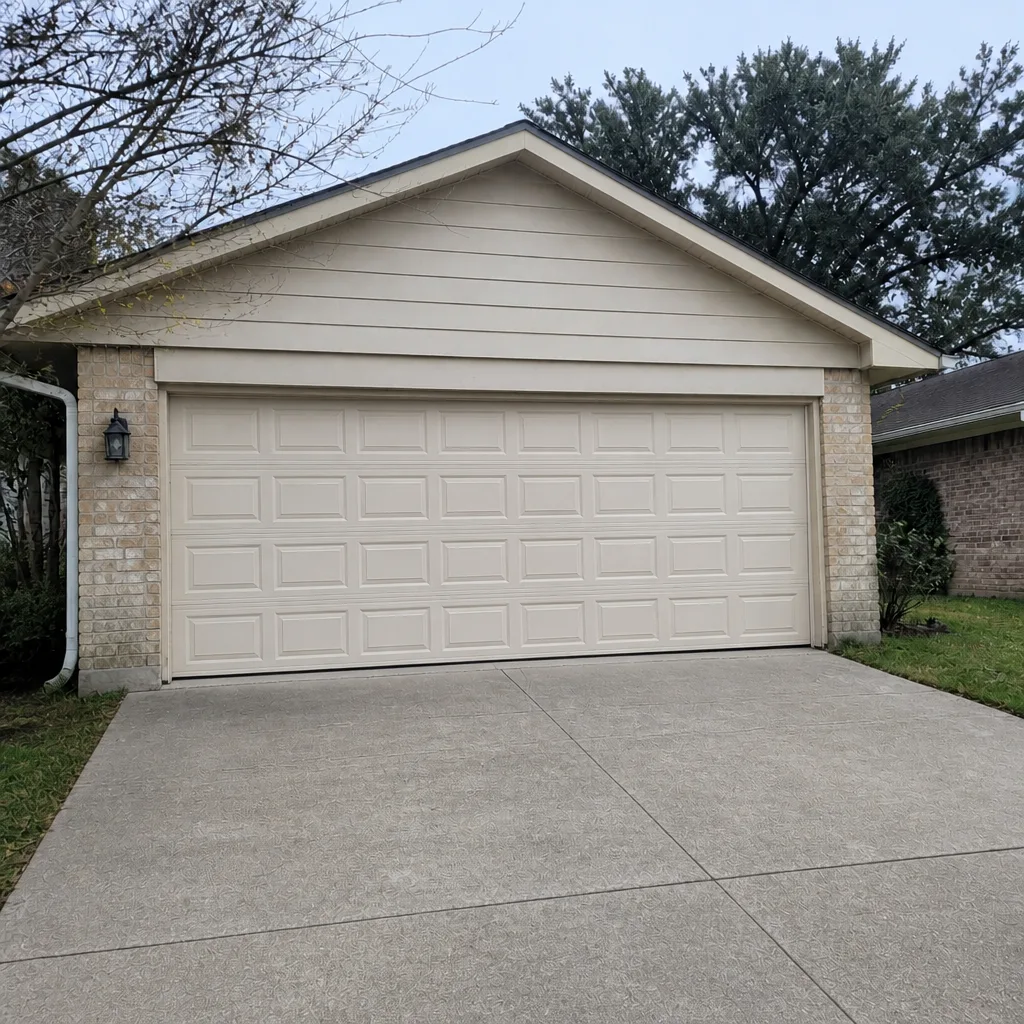 After
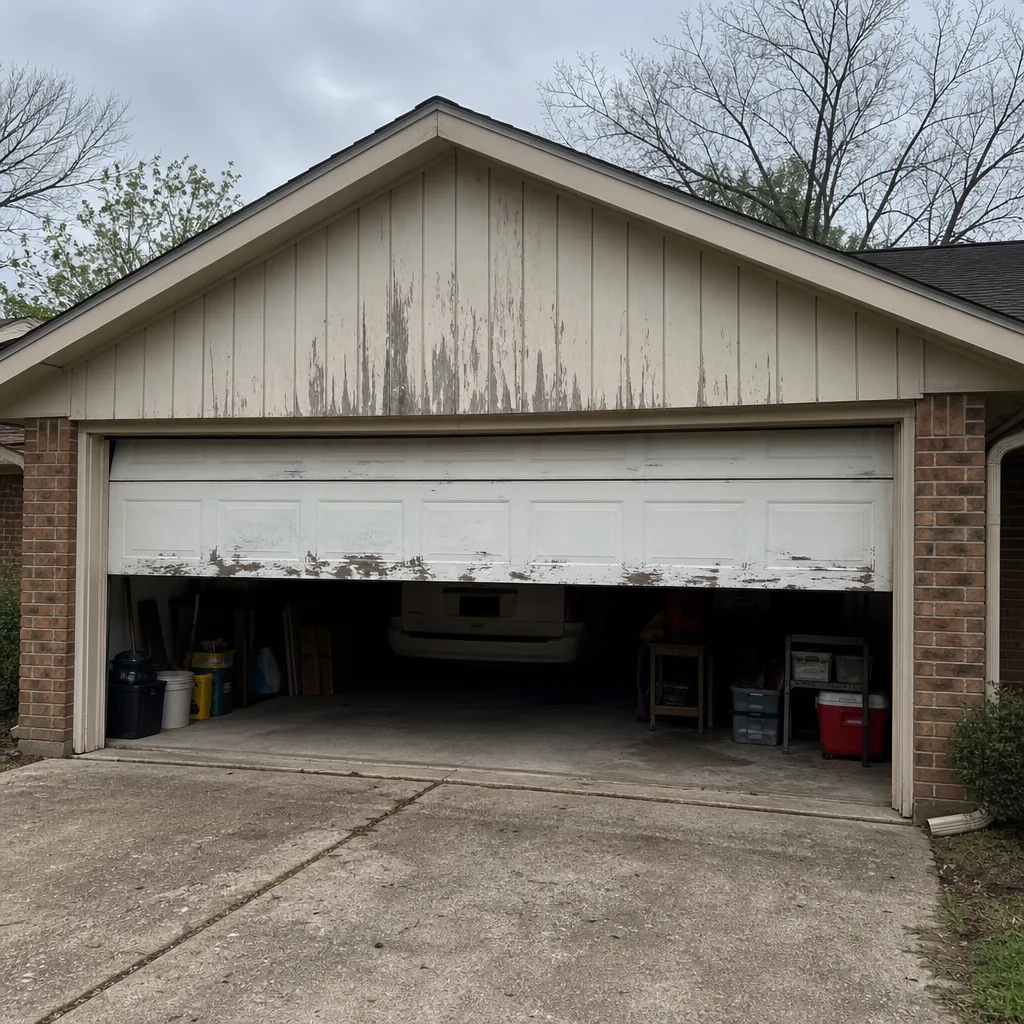 Before
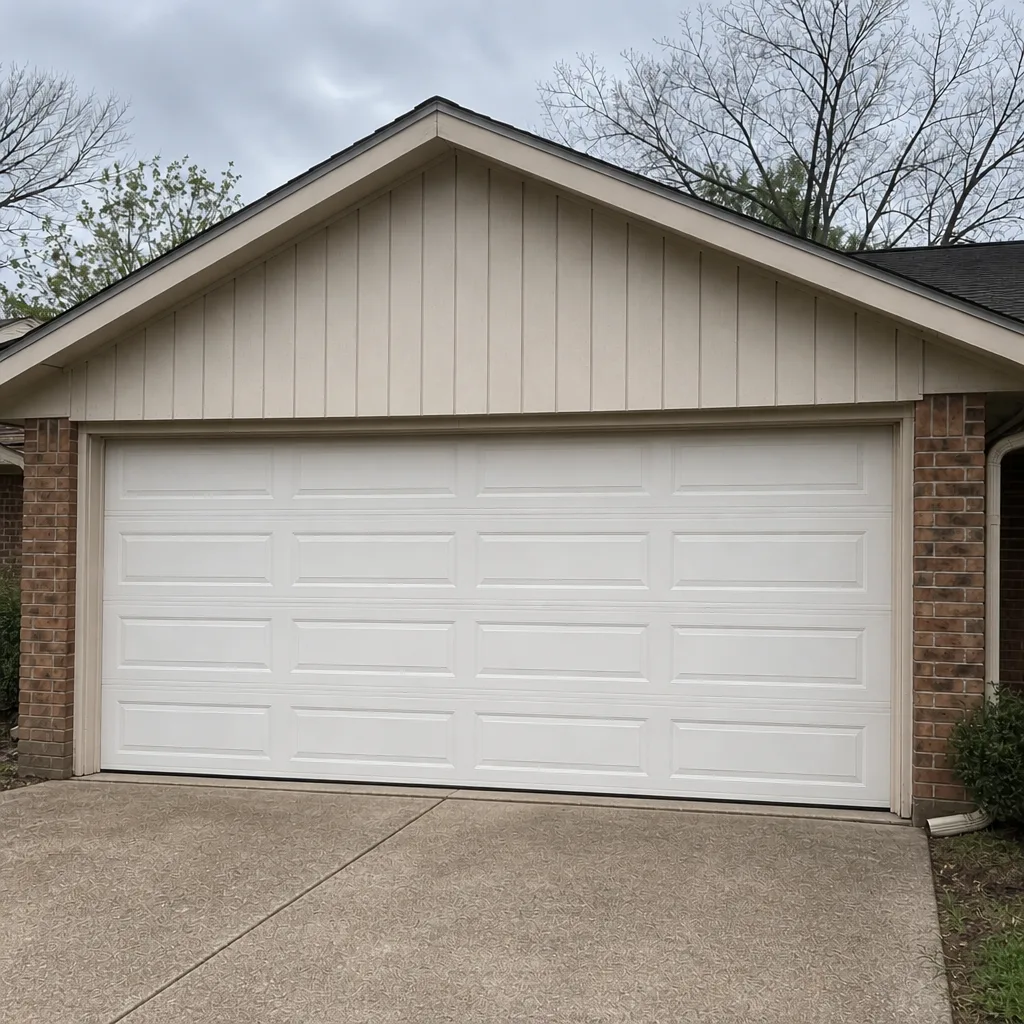 After
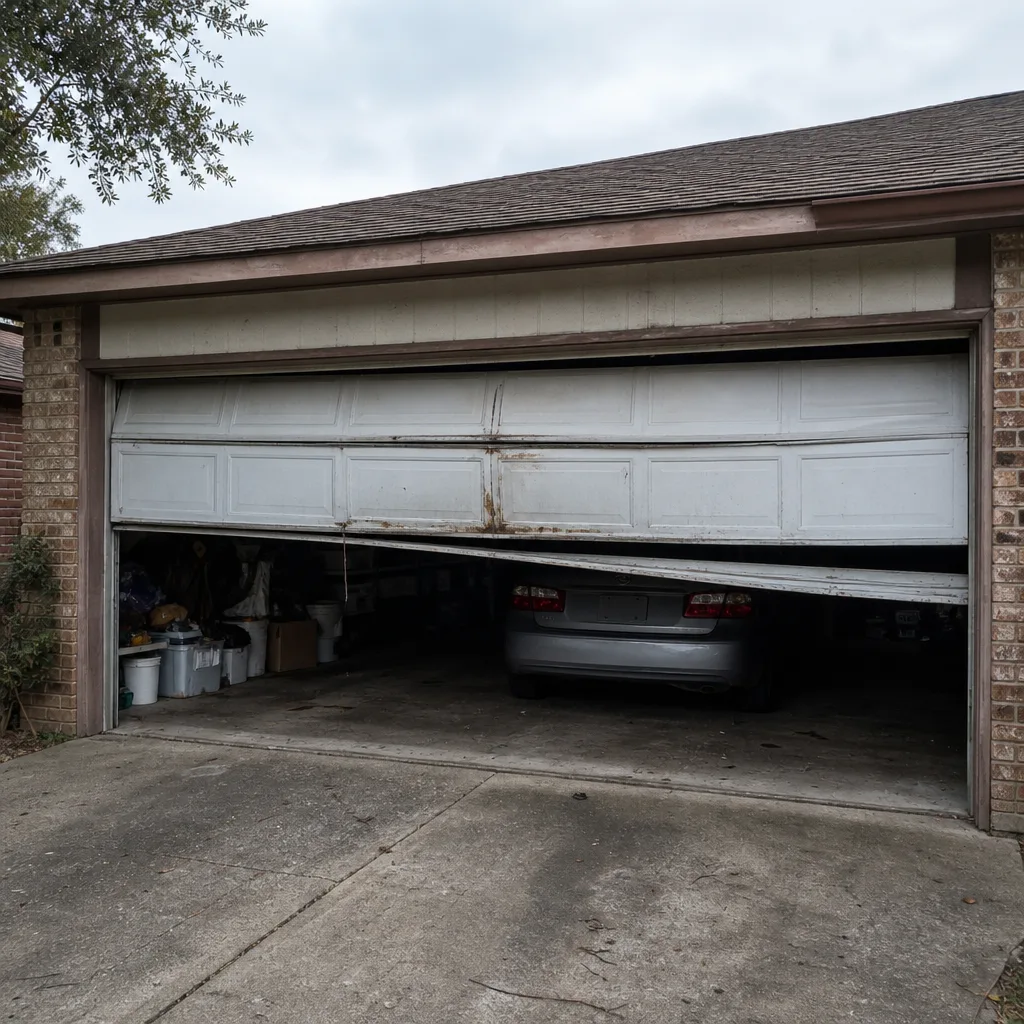 Before
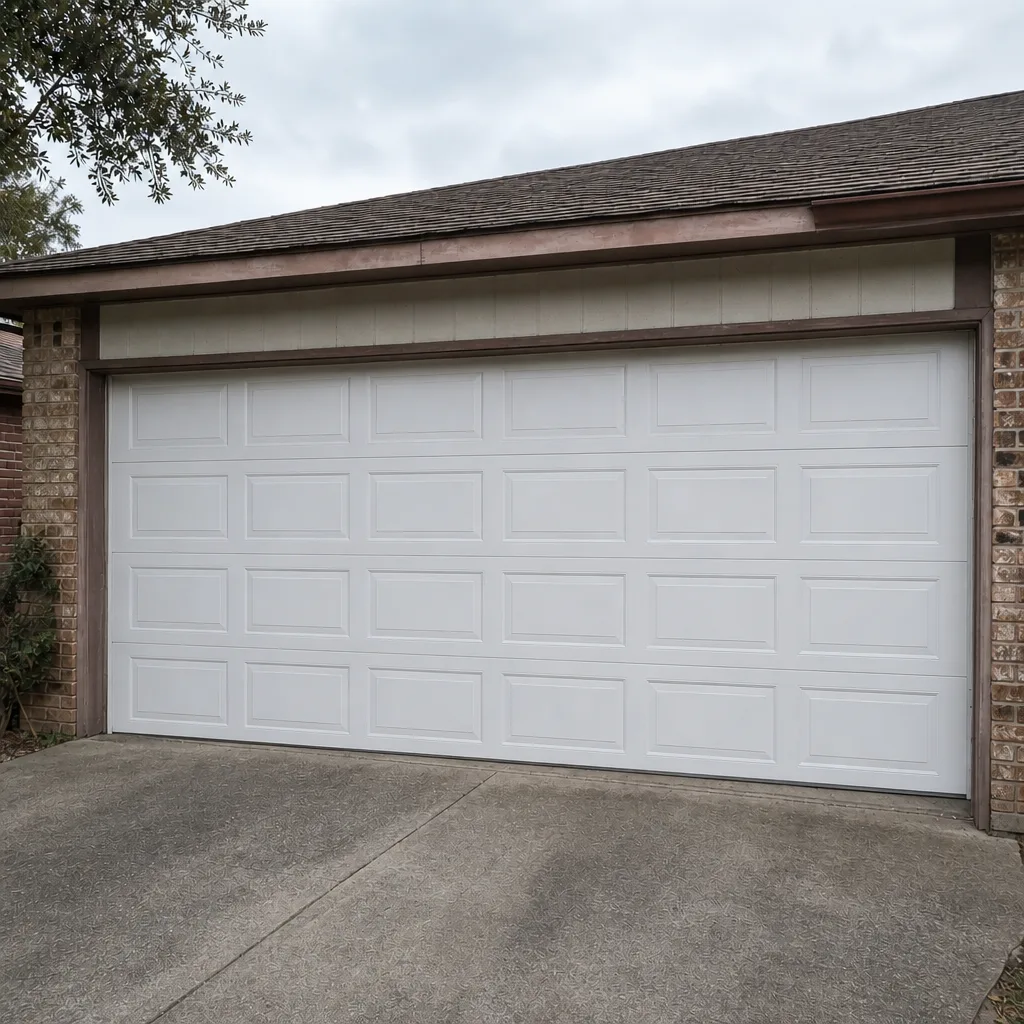 After