
Last updated November 21, 2026
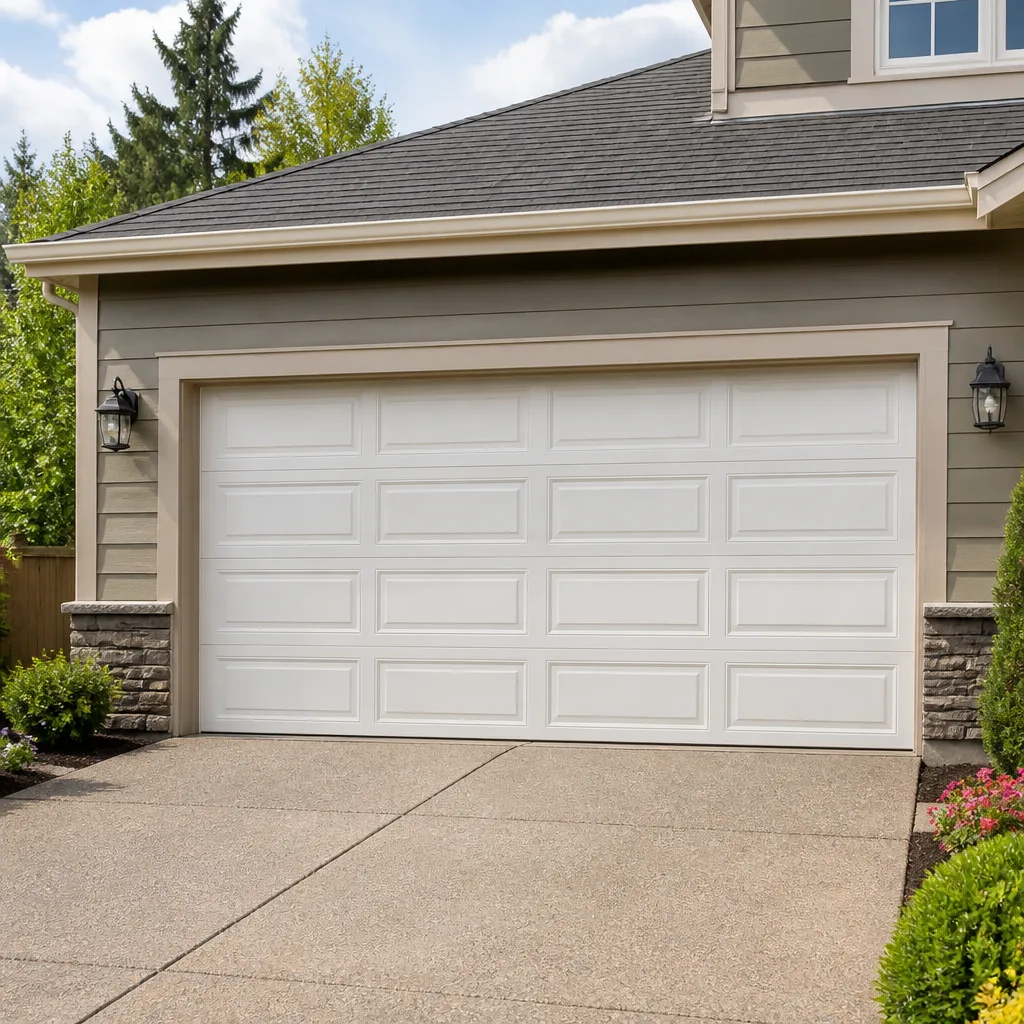 Raised-panel steel
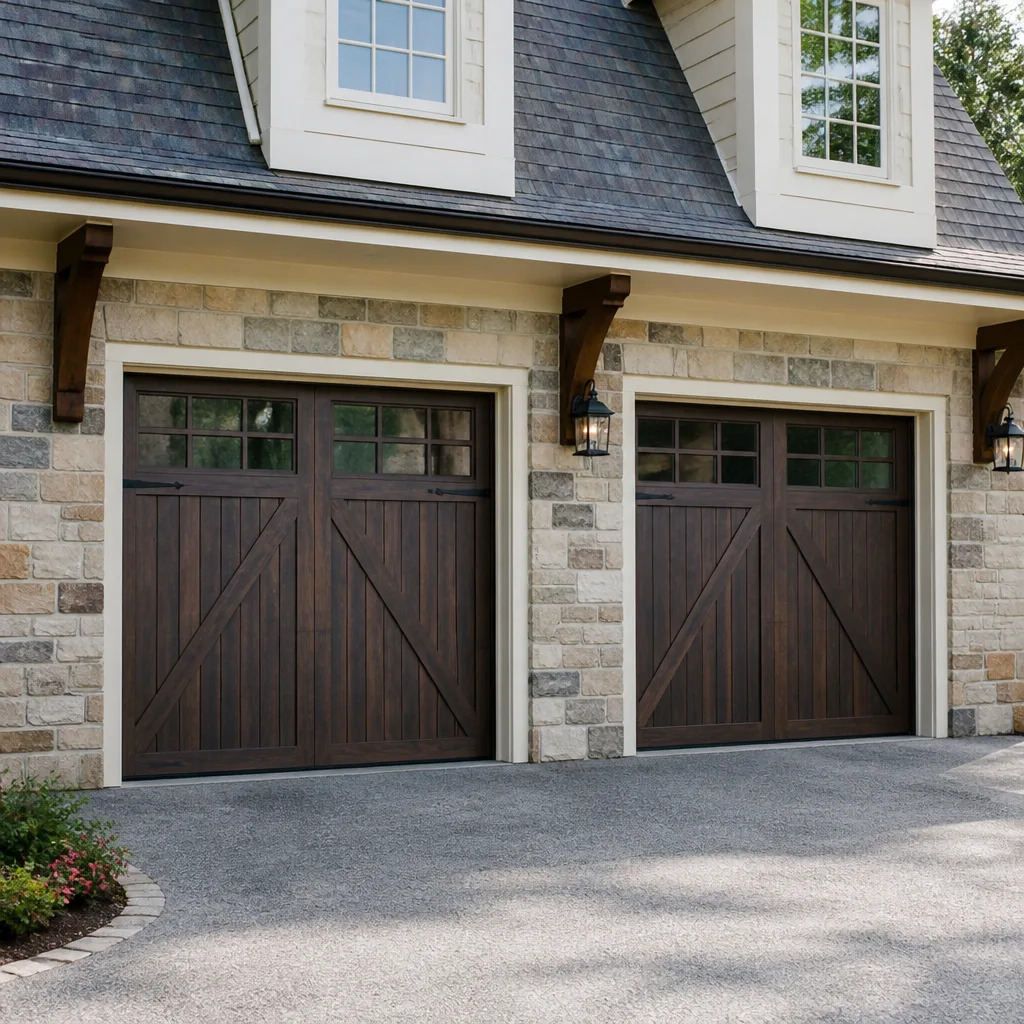 Carriage house
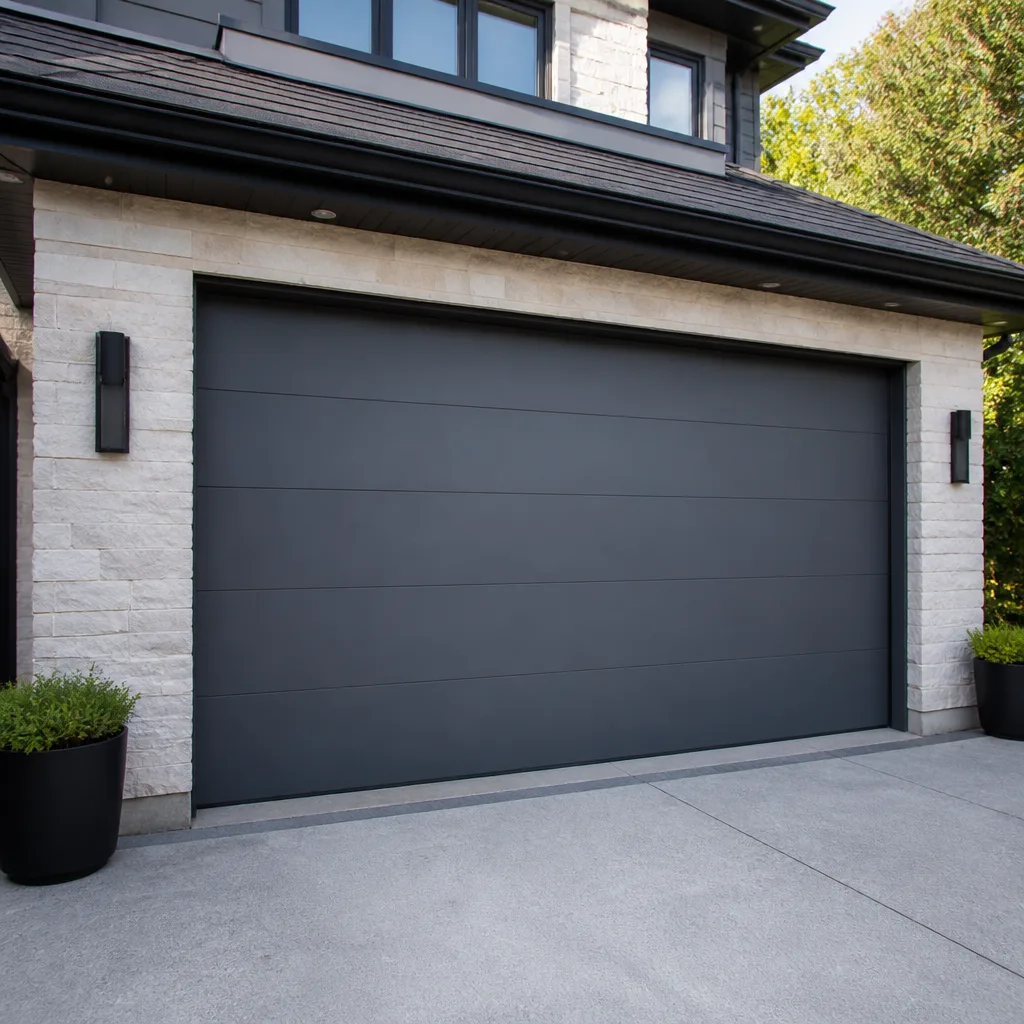 Modern flush
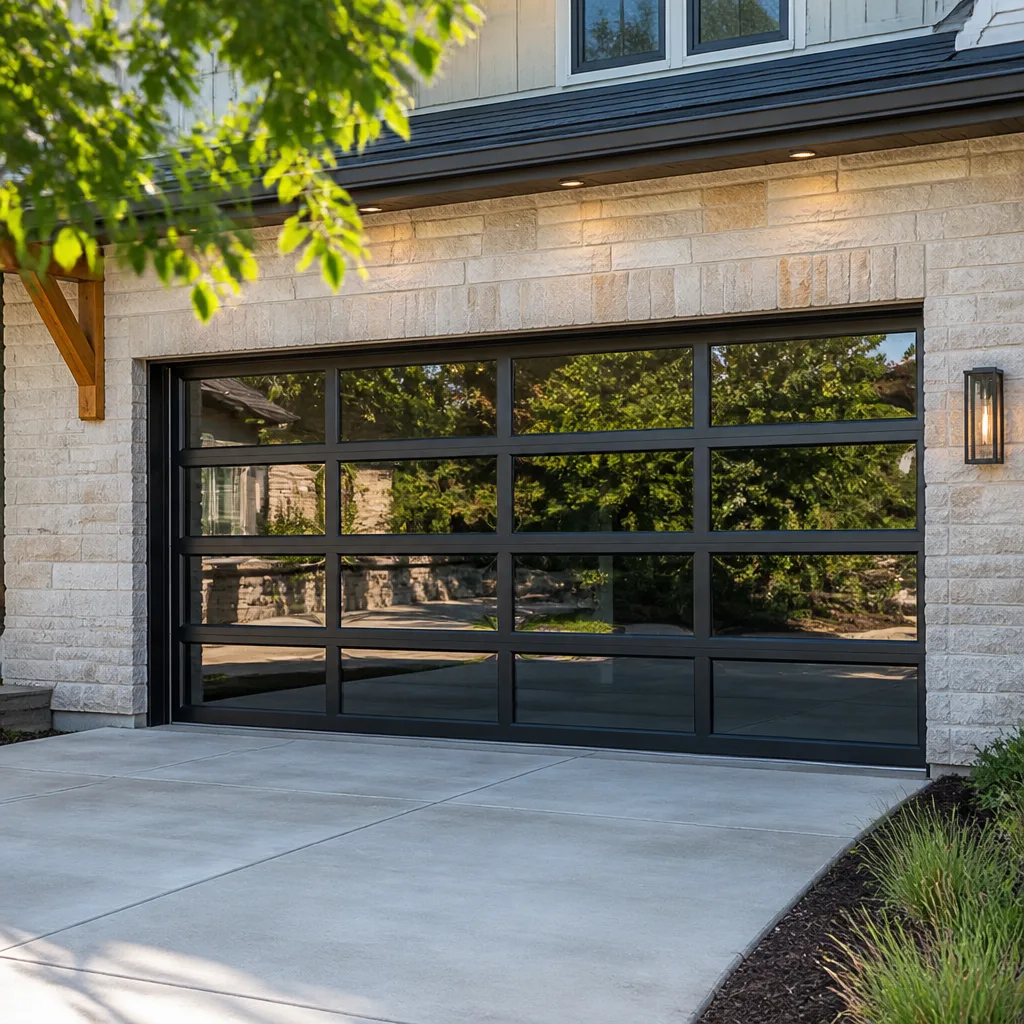 Full-view glass
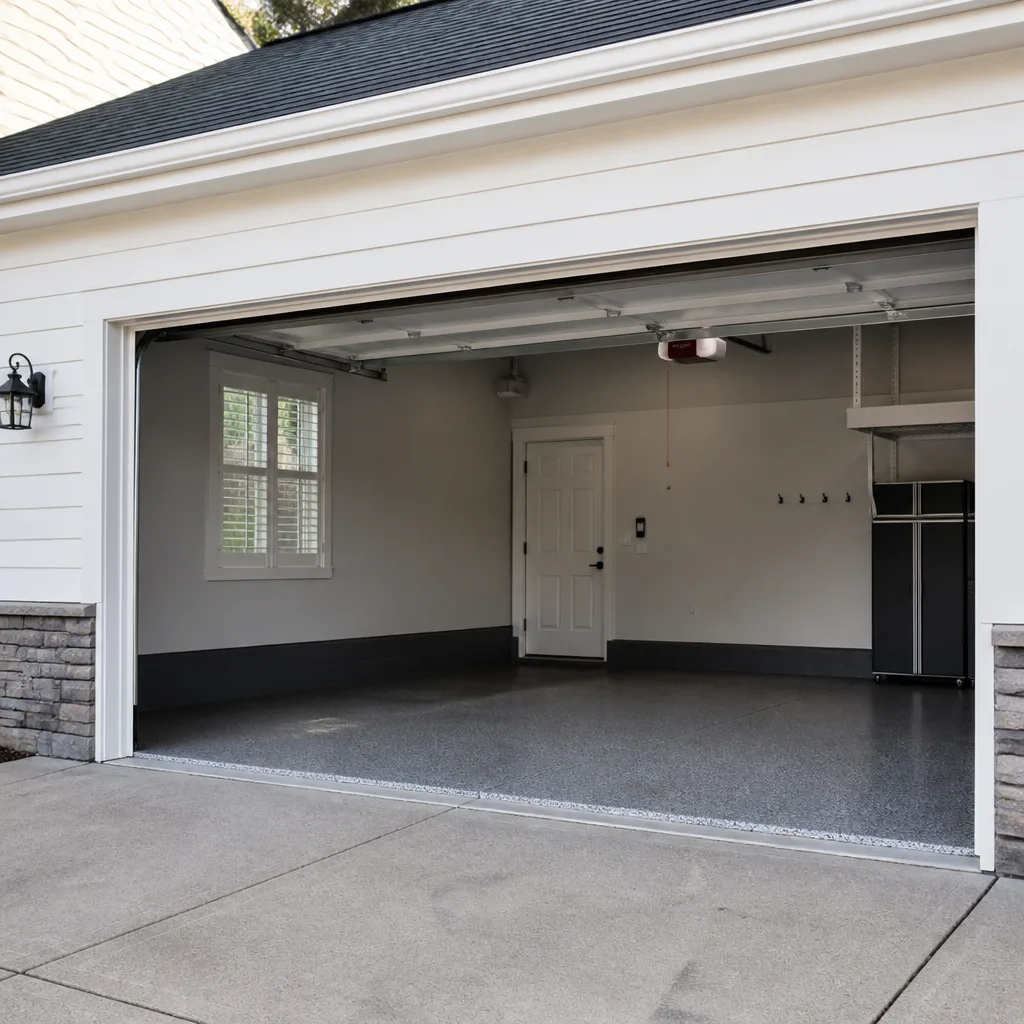 LiftMaster openers
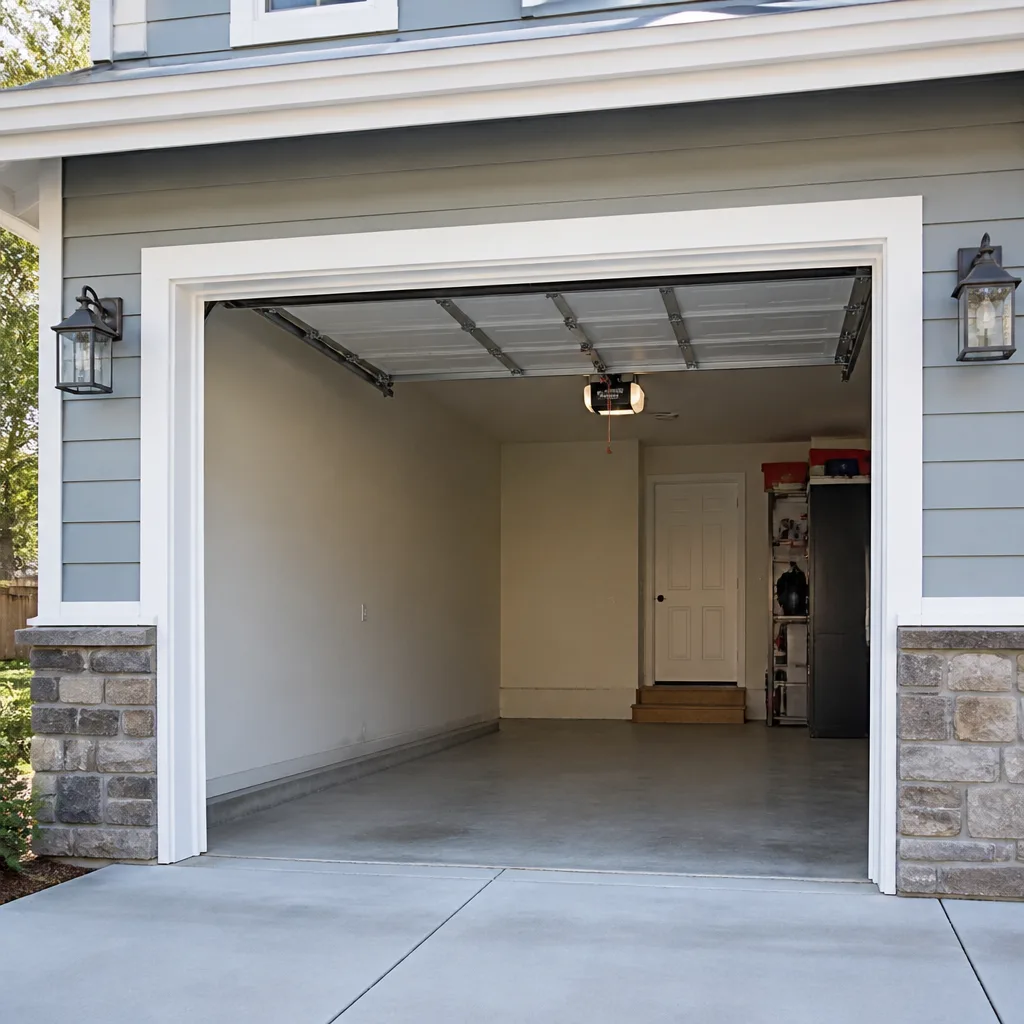 Chamberlain openers
Full 25-point door and opener safety check with every visit - springs, cables, rollers, tracks, and your LiftMaster or Chamberlain opener included
You get a price before we start. It does not change when the pro arrives.
Get your free estimateGarage Door Repair Maintenance Checklist for League City Homeowners
Most homeowners assume a garage door fails because of age or a hard hit. In our experience, the calls we get for emergency garage door repair in League City rarely start with an accident. They start with skipped lubrication on hardware that corrodes twice as fast in our coastal humidity as it would in Dallas or Austin. A door that ran fine in a drier climate can seize up here in a few seasons of neglect. What follows is a checklist built around the failure points that actually show up in League City first: the seasonal temperature swings, the heavy storm rainfall, and the humidity that finds every bare metal surface. You’ll learn what to do monthly, quarterly, and yearly, how to check the dangerous parts without touching them, which lubricants hold up here, and what genuinely requires a technician.
Quick Answer
In League City, a working garage door needs monthly lubrication of hinges, rollers, and tracks, quarterly inspection of cables, springs, and weather seals, and an annual full safety check of the opener, balance, and reversing system. The single most important habit is lubricating bare metal hardware regularly so coastal humidity doesn’t turn it into a rusted, seized-up emergency. Check tension and cables visually; never touch springs or cables yourself.
Styles & brands we work with
- Raised-panel steel
- Carriage house
- Modern flush
- Full-view glass
- LiftMaster openers
- Chamberlain openers
Table of Contents
- Why Garage Doors Age Faster in League City
- Monthly Tasks: The 20-Minute Routine
- Quarterly Tasks: Seals, Cables, and Springs
- Annual Tasks: The Full Safety Check
- Which Lubricants Actually Work Here
- How to Check Springs and Cables Safely
- Weather Seal Inspection for League City Weather
- What You Can Do vs. What Needs a Technician
- Common Mistakes to Avoid
- When to Call a Professional
Why Garage Doors Age Faster in League City
A garage door in League City lives in harder conditions than the same door two hundred miles north. The humidity is the main culprit. Warm, moist air settles into the joints of hinges, rollers, and the torsion assembly, and any bare steel in those spots starts to oxidize. Once rust gets into a hinge pin, the hinge stops pivoting freely, the door starts to drag, and now the opener is working harder to lift the same weight. That drag compounds everything downstream: rollers wear faster, springs take more stress, and the door gets out of balance.
That’s the chain reaction most homeowners don’t see coming. The failure doesn’t announce itself. It builds quietly through winter and spring, then a stretch of high heat in August pushes a stressed part past its limit. A door that shuddered slightly in March is a door that snaps a spring in July.
Our temperature swings add a second problem. Summer afternoons here get intense, and winter mornings stay mild but not identical. That range causes wood and composite door panels to expand and contract, which slowly opens gaps at the weather seal. Storm rainfall then finds those gaps. You get water tracking along the bottom of the door, damp insulation, and eventually swelling at the bottom panel or a warped seal that never sits flat again. None of this is dramatic. It’s just steady wear that a checklist catches before it becomes a Saturday call for a door that won’t close.
The payoff of a routine is simple: you check the cheap stuff before it turns expensive.
Monthly Tasks: The 20-Minute Routine
Everything in this section is safe for you to do yourself and takes about twenty minutes. Do it on the same day each month so you don’t forget.
- Lubricate the moving hardware (5 minutes). Apply a garage door lubricant to hinge pivots, roller bearings, and the torsion spring coils. One pass at each point is enough; more just collects dust.
- Wipe down the tracks (3 minutes). Use a damp cloth to clear grit and dust. Don’t use grease in the tracks – it grabs dirt and turns into a paste that slows the door.
- Test the door balance (2 minutes). Disconnect the opener, lift the door to about halfway, and let go. A balanced door holds its position. A door that drops or drifts needs a technician to look at the springs.
- Check the reversing safety (2 minutes). Place a roll of paper towels in the door’s path and close it. The door should reverse on contact. Test the photo-eye sensors at the corners by holding something in front of one; the door should refuse to close.
- Listen and look (5 minutes). Run the door once and listen. Grinding, scraping, or a sudden thud are signals. Look for loose screws at the hinges and tighten any you find with a screwdriver.
That’s the whole monthly job. In our experience, the homes that call us least are the ones where someone spends twenty minutes a month on this. The humidity in League City means skipping a couple of months undoes the lubrication faster than most people expect.
Quarterly Tasks: Seals, Cables, and Springs
Every three months, add a deeper inspection. Set aside about forty-five minutes and grab a flashlight. These tasks are about looking, not touching, on the tension parts.
- Inspect the bottom weather seal. Run your hand along the seal at the base of the door. Brittle, cracked, or missing sections let water and pests in. With League City’s storm rainfall, a torn seal means water pooling on the garage floor.
- Look at both cables. The cables run along the sides of the door and connect to the spring system. You’re looking for fraying, kinks, and rust – not touching them. A frayed cable is a repair, not a project.
- Study the springs from a distance. Note any visible gap in a torsion spring’s coil, or a stretched look on extension springs. Any wear is worth a call for garage door spring repair. We work on the brand you already have, whether it’s Clopay, Amarr, or Wayne Dalton hardware.
- Check the opener’s mounting. The rail and the wall bracket should be tight. Loose mounting shows up as rattling when the door runs.
- Sweep the tracks clean. Storm grit and debris collect in the vertical tracks. A quick vacuum or dry brush keeps rollers from grinding.
This quarterly pass is where you catch a worn cable before it strands the door in a half-open position.
Annual Tasks: The Full Safety Check
Once a year, go through the whole system the way a technician would. Run this as a numbered sequence so nothing gets skipped.
- Re-check balance with the opener disengaged and confirm the door holds in three positions: a quarter up, halfway, and three-quarters up. If it moves on its own from any of those, you have a spring tension issue.
- Test the opener’s force settings. If the door stops or reverses when you apply light upward resistance by hand, the force is set too sensitive and the opener may need adjustment per the manufacturer’s guide.
- Inspect every hinge and roller. Worn or cracked rollers should be replaced. Rollers still make noise after a good lubrication and cleaning of the tracks are worn out.
- Check the door panel alignment. Stand inside the garage and look for uneven gaps at the edges. Misalignment points to worn hardware or a bent track.
- Inspect the weather seals on all three sides – bottom, plus the two sides. Side seals dry out too.
- Examine the spring system for any visible failure signs. If you find them, stop and call a technician. This is where a visual check must stay a visual check.
An annual full check is your chance to see the whole system at once. It’s also when a lot of League City homeowners realize their operating hardware has quietly reached the end of its service life and a garage door repair is cheaper to plan now than to face as an emergency later.
Which Lubricants Actually Work Here
The hardware store shelf is full of options, and most of them are wrong for a high-humidity climate. Here’s how the common choices sort out.
Products that work well here: a silicone-based or lithium-grease garage door lubricant, or white lithium grease in a spray. These hold up in humidity, they stay where you put them, and they don’t attract the dust and grit that will shorten hardware life. A dedicated garage door lubricant in a spray can is the simplest thing to keep in the garage for the monthly pass.
Products to avoid: general-purpose household oil and especially WD-40 in its classic penetrant form. The classic WD-40 is a water displacer, not a long-term lubricant. It will make a hinge quiet for two weeks and then evaporate, and the fitting may end up drier than before. Also skip heavy grease in the tracks: it turns into a dust magnet in our conditions.
What about the humidity question? No lubricant prevents rust entirely. The right product slows it and keeps the joints turning freely, which is what actually matters. The other half of the job is the wiping-down routine: a clean hinge lubricated monthly outlasts a rusty one you keep spraying.
Every roller on the door has a bearing, and each bearing needs a small dose. A short spray at each roller and hinge, plus the spring coils, is the whole job. Five minutes once a month is the difference between a quiet door and a grinding one.
How to Check Springs and Cables Safely
Springs and cables are the most dangerous parts of any garage door, and the right way to check them is with your eyes from a distance. Never put your hands on a spring coil, a tension adjuster, or a cable under load. A torsion spring stores enough energy to cause serious injury if it releases, and a stretched or failing cable can snap. This is not a corner of the job to figure out by watching a video.
What you can do is learn the visual signs that a part is near failure:
- A visible gap in a torsion spring’s coils. Torsion springs often fail by developing a clear separation in the coil, which means the spring has broken or is on its way.
- A noticeably stretched extension spring. Extension springs run along the horizontal tracks. If one looks longer than the other or has lost its closed coil tightness, it’s tired.
- Fraying or a kink in a cable. Both cables should look smooth and even. Any visible wire fraying is a failure waiting to happen.
- A sudden loss in power. The door lifts only a few inches and stops, or won’t budge without the opener helping. That’s almost always a spring.
- A snapped, tangling spring at rest. This is unmistakable. The door should not be operated until a technician has handled it.
Once you spot any of those, the task changes from maintenance to a service call. Our garage door spring repair service exists because this is genuinely the highest-risk repair on the door. We carry the right tools and know what tension a given door needs before anything is touched.
Weather Seal Inspection for League City Weather
The weather seal is the part of your garage door that takes the brunt of the local weather, and it’s also the cheapest thing on the checklist to replace. It runs along the bottom of the door (the bottom seal) and up both sides (the jamb seals). Its job is to keep water, wind-driven rain, and pests out of the garage.
Two forces wear on it here. First, the temperature swing: on a hot summer afternoon the rubber softens and stretches, and on a cooler winter morning it stiffens. Repeated cycles cause cracking and a loss of shape, so the seal stops pressing flat against the floor. Second, the storm rainfall we get in heavier weather pushes water against the seal with real pressure. A small tear or a seal that’s lifted at one corner lets in a surprising amount of water. Over time that shows up as a damp garage floor, moisture around stored belongings, and eventually swelling at the bottom edge of a wood or composite door panel.
How to inspect it: run your hand along the length of the bottom seal. It should feel flexible and sit flush against the floor. Look for cracks, brittleness, flattening, or sections that are missing. On the sides, check that the jamb seals are still plumb and haven’t pulled away. Replace the bottom seal when it’s cracked or flattened – it’s a low-cost, high-payoff task. If the bottom panel of your door has warped because of long-term moisture, that’s panel replacement territory. Brands like Clopay and Amarr sell replacement panels for their door lines, and we handle those.
What You Can Do vs. What Needs a Technician
Plainly: a lot of the routine on this checklist is yours to handle. Lubrication, cleaning, testing the reversal safety, inspecting seals, tightening screws, keeping the tracks clean. These take little time and cost nothing but a can of lubricant and a rag.
Here is what belongs to a trained technician:
- Spring replacement or adjustment. Any contact with the springs or their tension is technician work. There is no safe way for a homeowner to do this.
- Cable replacement or adjustment. Same reason as springs; the cables are under heavy load and can snap.
- Track realignment. A bent or knocked-out-of-line track needs precise adjustment with the right tools; forcing it can warp the door panels.
- Opener repair and programming issues. If the opener won’t respond to the remote, trips the breaker, or needs a new logic board, that’s garage door opener repair work. We’re certified on LiftMaster, Chamberlain, and Craftsman openers, plus the other major brands.
- Panel replacement and full installation. If the door itself has warped panels or you’re replacing it, that’s measured and ordered, not diagnosed on the spot. We schedule a free measure and a written price.
There’s no upsell hiding in that list. If your weather seal is the only problem, buy a new seal and skip us entirely. When the fix needs a spring, a cable, or an opener, it’s time to call.
Common Mistakes to Avoid
- Greasing the tracks. It seems logical, but grease in the tracks traps grit and turns into a paste that grinds the rollers. Tracks get cleaned dry, hardware gets lubricated; the two jobs don’t mix.
- Skipping lubrication through the mild months. It’s easy to think you can ignore the door when the weather feels fine. But the humidity here doesn’t take a season off, and oxidation keeps working whether or not you notice it.
- Using WD-40 as a long-term fix. It’ll quiet a squeaky hinge for a couple of weeks and then leave you back where you started, sometimes worse. Use a proper garage door lubricant.
- Ignoring the reversing test. The safety reverse is a real safety device, and testing it takes a roll of paper towels and two minutes. Older doors in League City often haven’t been tested in years.
- Trying to adjust or replace springs yourself. This is the single most dangerous thing a homeowner can attempt on a garage door. The energy stored in a torsion spring is enormous, and a mistake can be serious. Leave it to a technician.
- Letting a damaged seal sit through a storm season. A small crack in the bottom seal lets in water that quietly damages the door panel from the inside. Fix the seal early; it’s the cheapest task on the list.
- Forcing a door that’s dragging or unbalanced. If the opener is straining or the door is off balance, forcing it just wears the opener out and can crack the panels. Stop and get it looked at.
When to Call a Professional
Call a professional if you see any of the following: a broken spring, a frayed cable, a door that won’t stay balanced, or a door that reverses without apparent reason. Also call if the opener won’t engage, the photo-eye sensor is dead, or the door has a warped panel that’s letting in water. These are the situations where the next step is high-risk or needs the right tools, and waiting invites a bigger repair. If your door is stuck open and the garage is exposed, that’s where an emergency service and a same-day call matter.
League City Garage Door Repair Co offers free estimates in League City – call (866) 937-7870. Our technicians have up to 11 years of experience, and we’re certified on LiftMaster, Chamberlain, Genie, Clopay, Amarr, Wayne Dalton, Craftsman, and Raynor systems. You’ll get a written price before any work starts. We answer 24/7. Fast dispatch from 7am to 7pm, Sunday through Friday.
See the difference
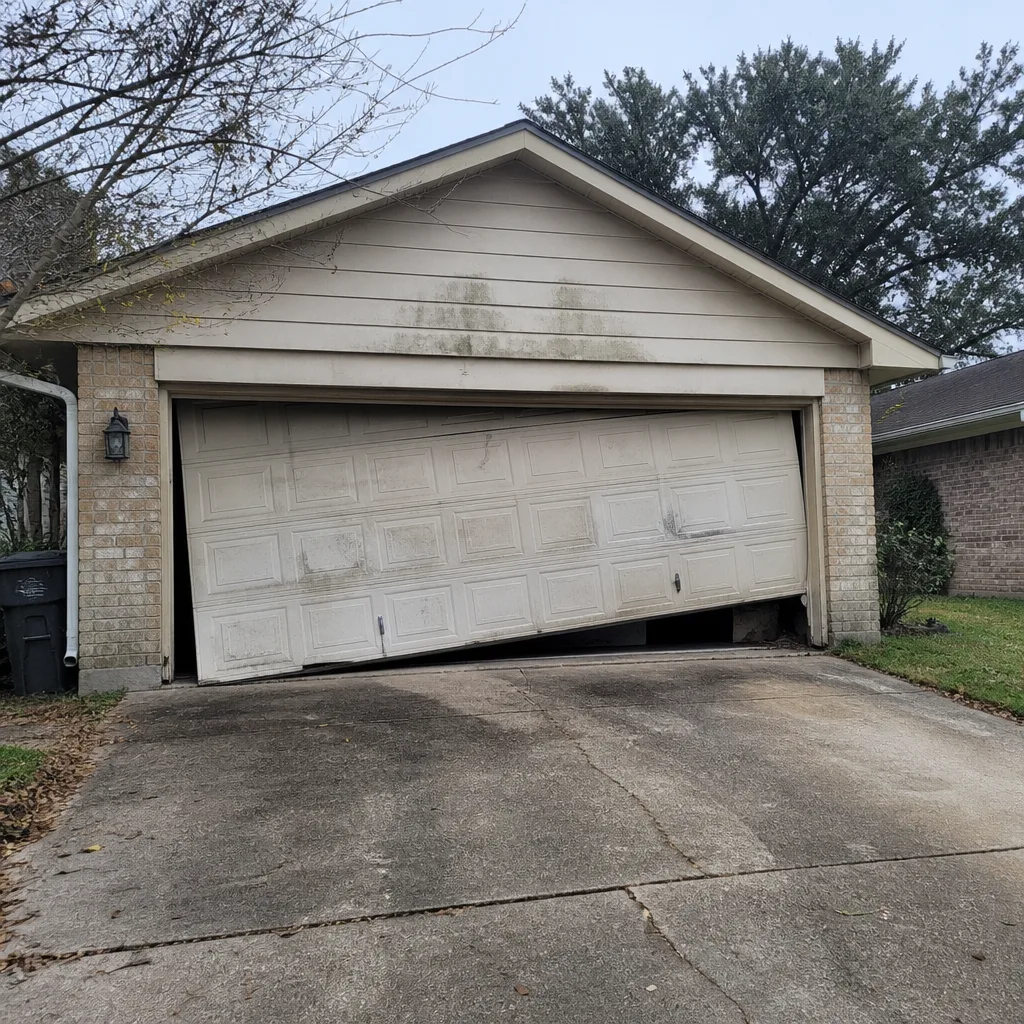 Before
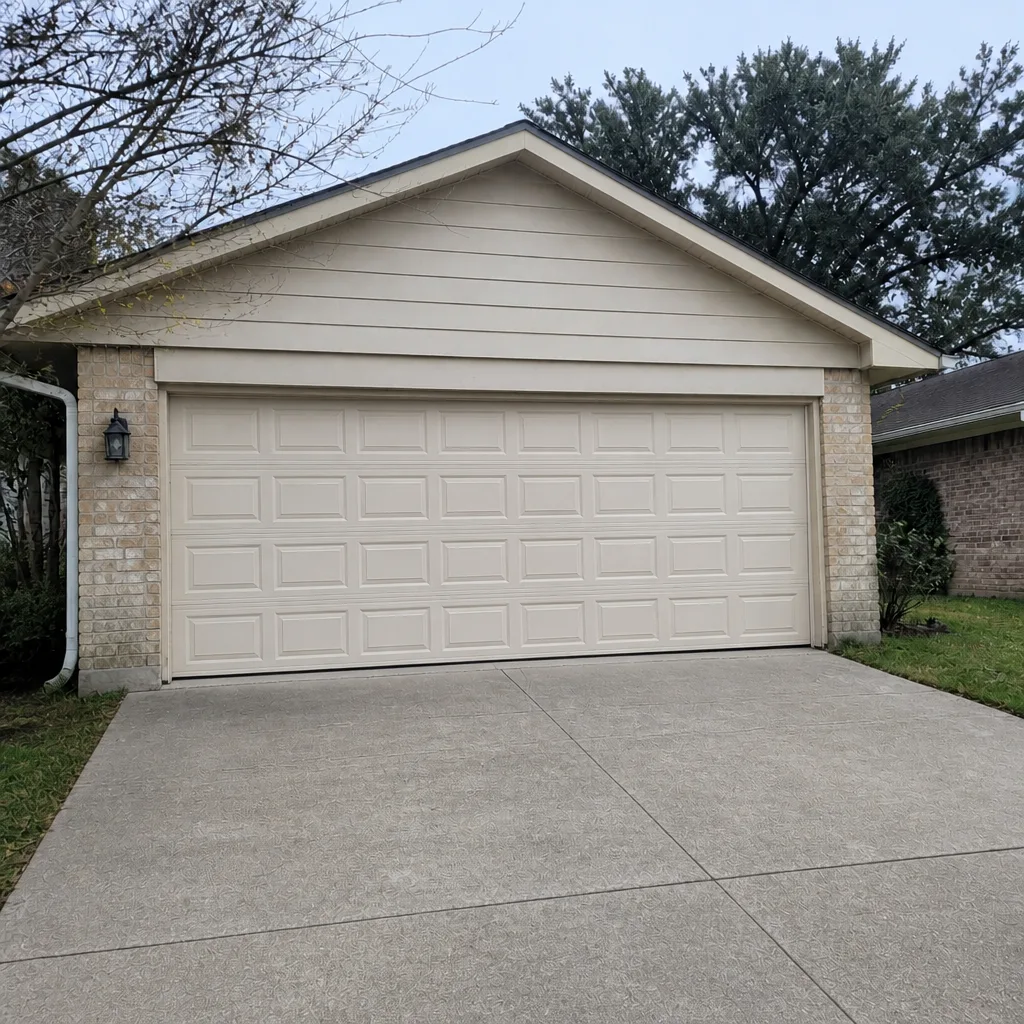 After
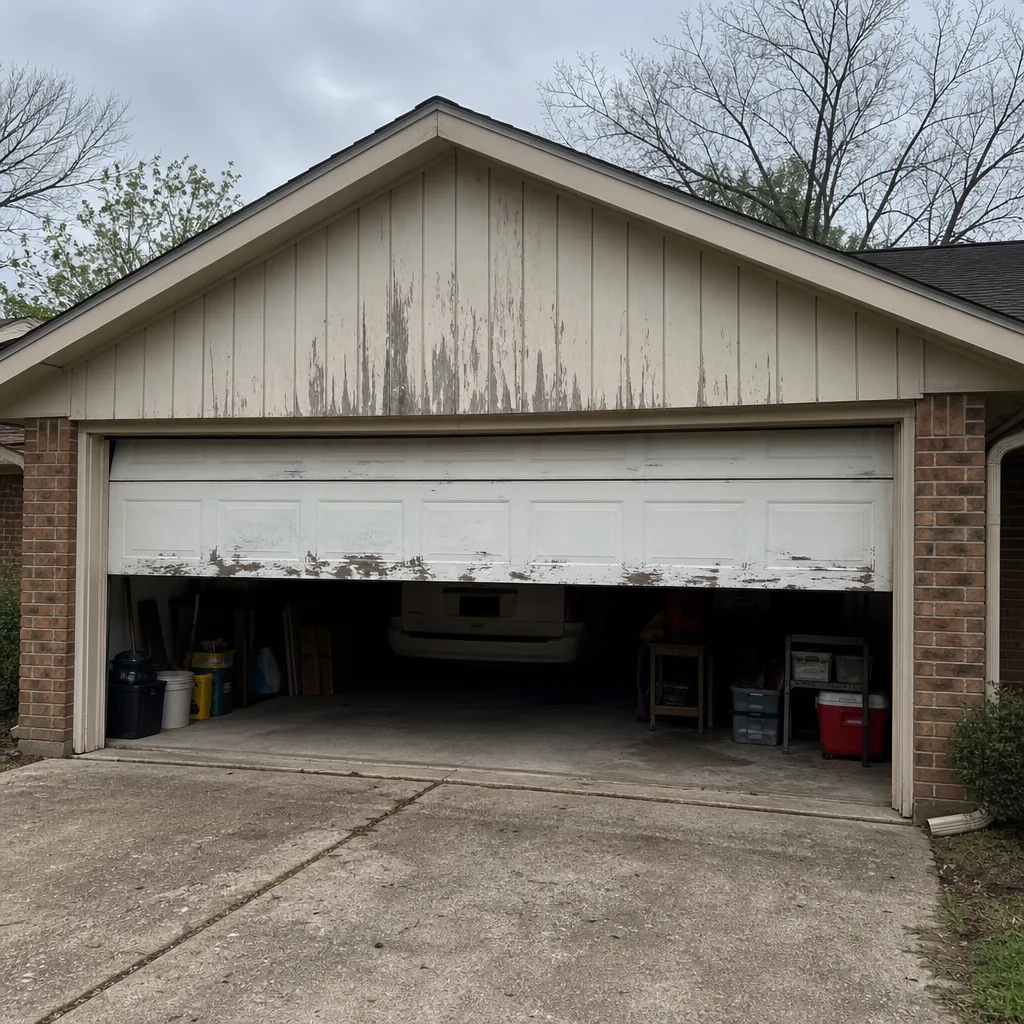 Before
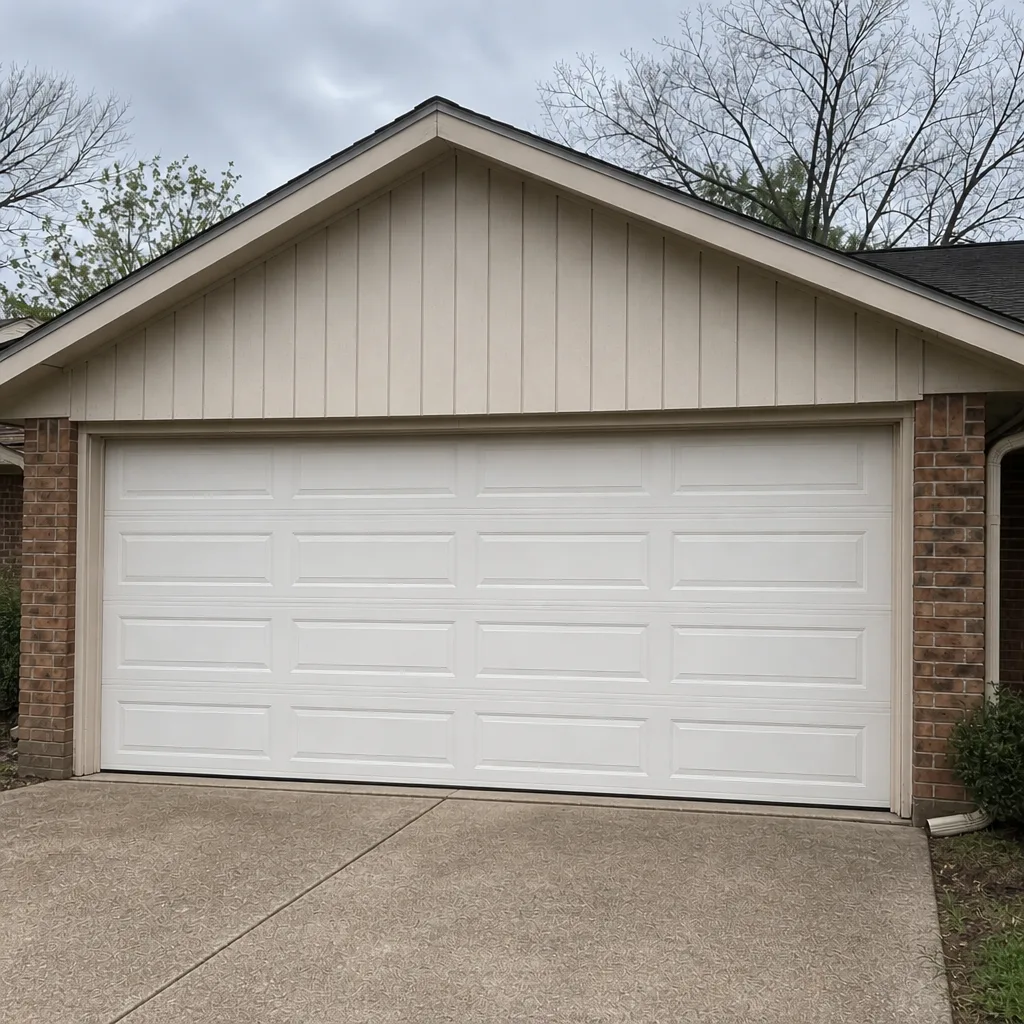 After
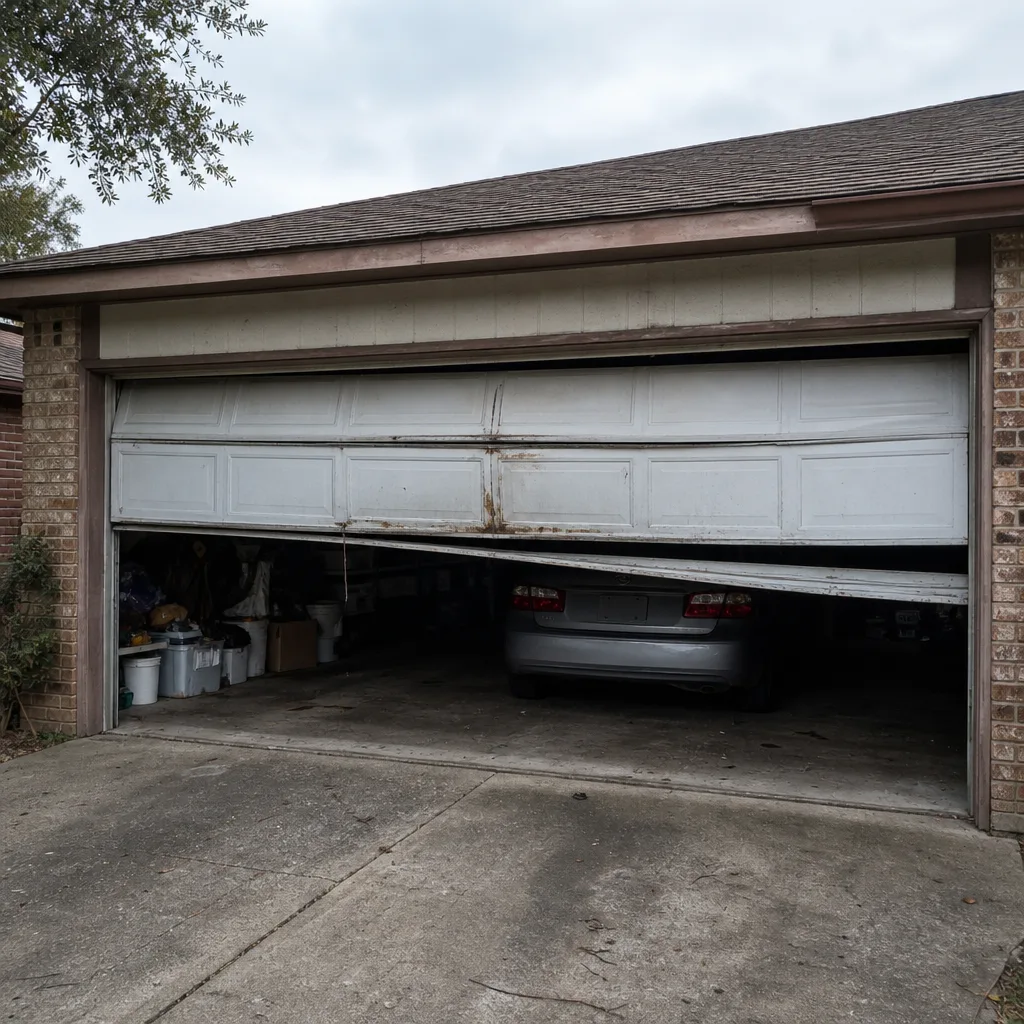 Before
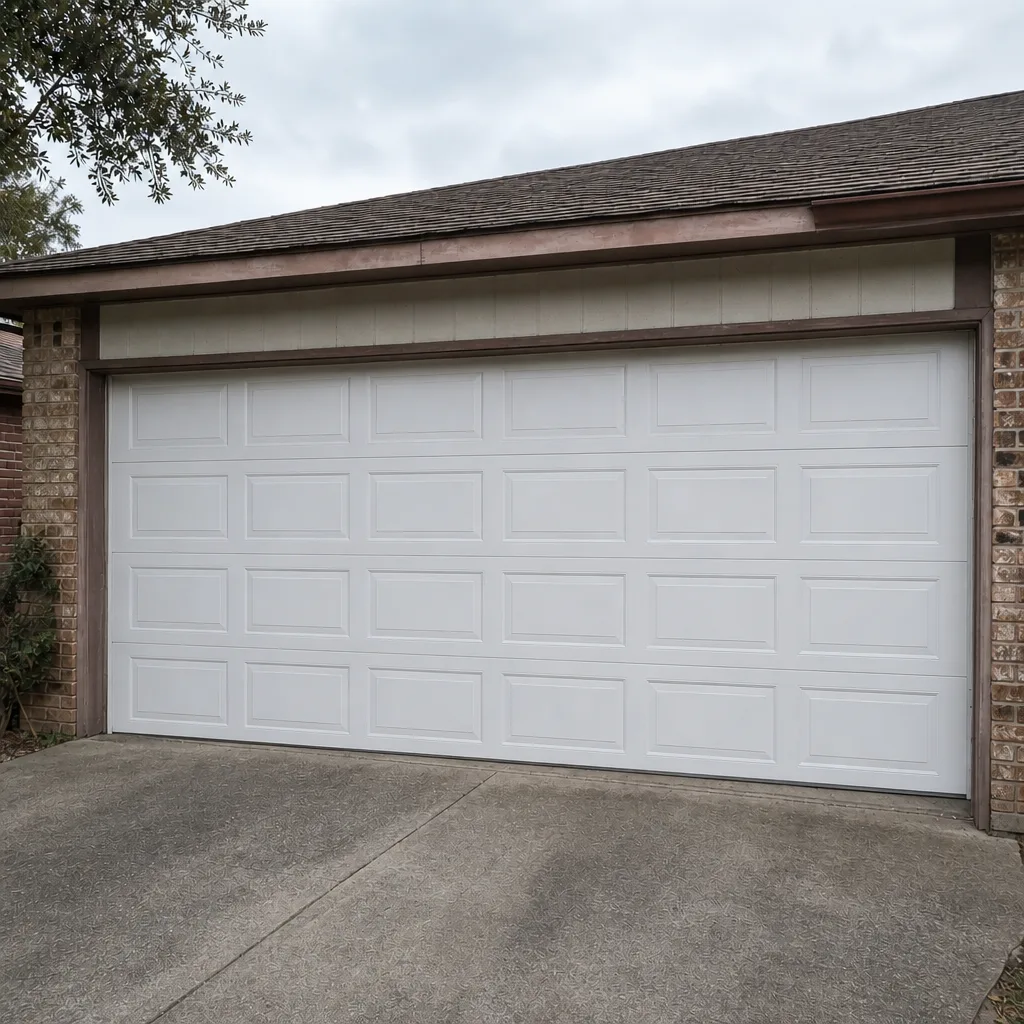 After
Frequently Asked Questions
Once a month is the right frequency in League City because the humidity speeds up oxidation on bare metal hardware. Every hinge, roller, and the spring coils need a light application. Monthly lubrication is the single habit that most extends the life of your door here.
No. Garage door springs store tremendous energy and can release with enough force to cause serious injury. A homeowner should only inspect springs visually from a distance and call a technician the moment they see damage. Call (866) 937-7870 for garage door spring repair – estimates are free.
A door that lifts a short distance and stops almost always has a failing or broken spring. The opener isn’t strong enough to lift the door alone, so the safety stops it. This is a spring repair situation – don’t keep running the opener.
If the bottom seal feels brittle, has visible cracks, or no longer presses flat against the floor, it needs replacing. In League City, storm rainfall will find a torn seal and put water inside the garage. Replacement is inexpensive – call (866) 937-7870 for an exact quote.
A full tune-up typically covers lubrication, balance adjustment, roller and hinge inspection, and a safety check of the opener. We set the price per job by a written estimate, so you’ll know the cost before any work starts. Call and we’ll give you a free estimate.
Yes. If your door is stuck open, refuses to close, or a spring has snapped, we provide same-day and emergency service to get your garage secured. We answer 24/7 with fast dispatch from 7am to 7pm. Call (866) 937-7870 and we’ll get you booked.
No. The price is quoted and agreed before any work starts. Once we inspect the door and confirm what’s needed, we give you a written price and you decide. Nothing gets billed beyond that written number. Call (866) 937-7870 for a free estimate.
The Bottom Line
Garage door maintenance in League City boils down to three habits: lubricate every month, inspect the seals, cables, and springs quarterly, and run a full safety check once a year. Those twenty minutes a month are what stand between a quiet door and a rusted hinge that finally gives out on a 95-degree afternoon. Do the safe work yourself; call a technician for springs, cables, openers, and anything that’s dragging or unbalanced. The checklist exists so you stay ahead of the failure instead of paying for an emergency. Questions about anything on this list? Call (866) 937-7870 and we’ll talk you through what your door needs. We work on the brand you already have, and springs, openers, panels, and full installs – one call covers it all.
Written by the team at League City Garage Door Repair Co.